

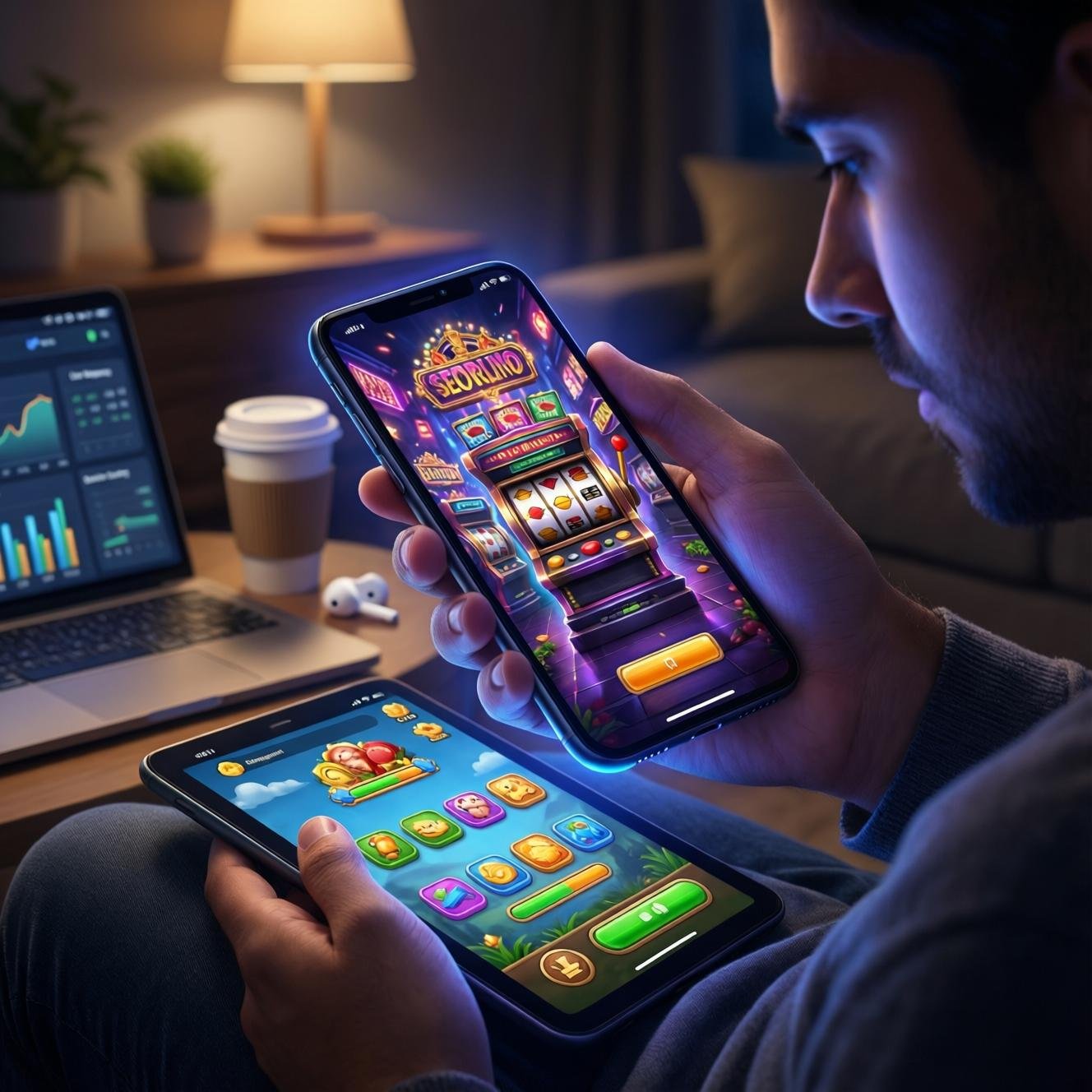

If you watch a football match, a Netflix series, or even a long YouTube video, chances are your phone is nearby. Not because you are bored, but because modern viewing has gaps built into it. Small pauses. Breaks in intensity. Moments where nothing really happens, but you are still tuned in. That is where gambling and casual gaming apps slip in.
Second-screen behavior is often described as distraction, but that misses the point. Most people are not abandoning the main screen. They are filling time that already exists. A corner kick takes a while to set up. A series drifts between scenes. A stream lingers on a replay. Those moments invite interaction, not replacement. Gambling apps and casual games are unusually good at fitting into those spaces.
Designed for moments, not sessions
Unlike traditional games or content apps, gambling and casual gaming products are built around very short interactions. You do not need to remember where you left off. You do not need a long setup. You open the app, do one thing, and get a result. That is part of why apps like the Betway app fit so easily into second-screen habits, especially during live sports.
That matters more than it sounds. When attention is split, people avoid anything that feels unfinished. Endless scrolling looks light, but it rarely gives closure. A quick game round or a live odds update does. Even if it takes thirty seconds, it feels complete. That sense of completion is why these apps get opened again and again during live viewing.
Live events make the phone feel useful
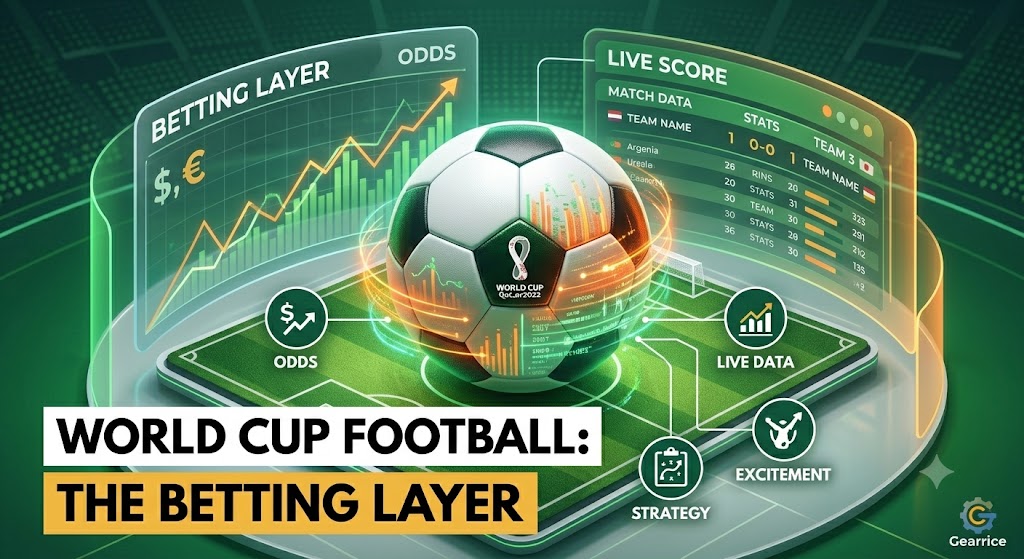
Live sports change how second screen use works. The phone is no longer just entertainment. It becomes a tool. Odds move. Scores shift. Information updates faster than commentary. Even users who are not actively betting still check numbers because they reflect what they are watching.
The phone starts to feel like part of the broadcast ecosystem rather than a separate activity. During slower passages of play, people look down. When something important happens, they look back up. The two screens start working together.
Feedback speed matters more than content depth
A big reason these apps dominate second screen behavior is how quickly they respond. You tap, something happens. There is no long buildup, no delayed payoff. That kind of feedback fits fragmented attention far better than apps that need focus or memory.
This is especially true late in the day, when people are tired. The second screen is often used with one hand, half watching, half interacting. Gambling and casual gaming apps are built for that reality. Big buttons. Simple flows. Clear outcomes. Apps that ask for too much thinking or setup tend to get ignored in those moments, no matter how good they are in isolation.
Notifications pull at the right time
Another quiet factor is timing. Notifications from gambling and casual gaming apps are often tied to short cycles. A match event. A daily reset. A limited window. They arrive when something is already happening elsewhere. Instead of interrupting, they piggyback on attention that is already active. The phone is picked up anyway. The app gets opened almost by habit. Over time, this trains behavior. Watching something becomes linked with checking something else.
The appeal is control, not intensity
Second screen behavior is less about stimulation and more about control. The main screen is passive. You sit and receive. The phone gives you agency, even in small doses. Gambling and casual games hit that balance well. They offer decisions without demanding immersion. You can step in and out without consequence. That makes them reliable companions rather than competitors to whatever is playing in front of you.
As screens continue to multiply and attention keeps fragmenting, this pattern is unlikely to fade. Gambling and casual gaming apps are not dominating second screen behavior because they are louder or flashier. They are there because they fit naturally into how people already watch, wait, and fill time.