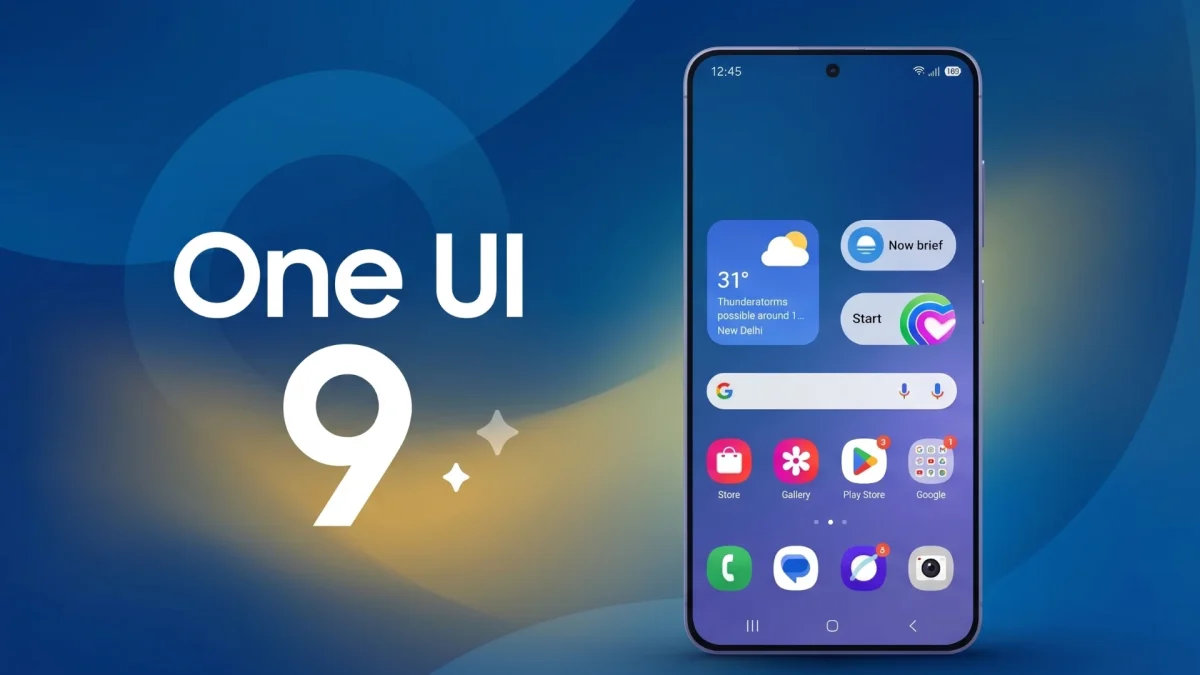



Samsung is preparing its scam detector for WhatsApp callsTelegram, Signal or Google Meet, not just for the usual telephone companies. There is no official announcement: Android Authority has found it in the Call Assistant code (version 18.5.00.154) within the first beta of One UI 9.5available from November 18 for the Galaxy S26. It may change or never arrive.
What exactly would I do?
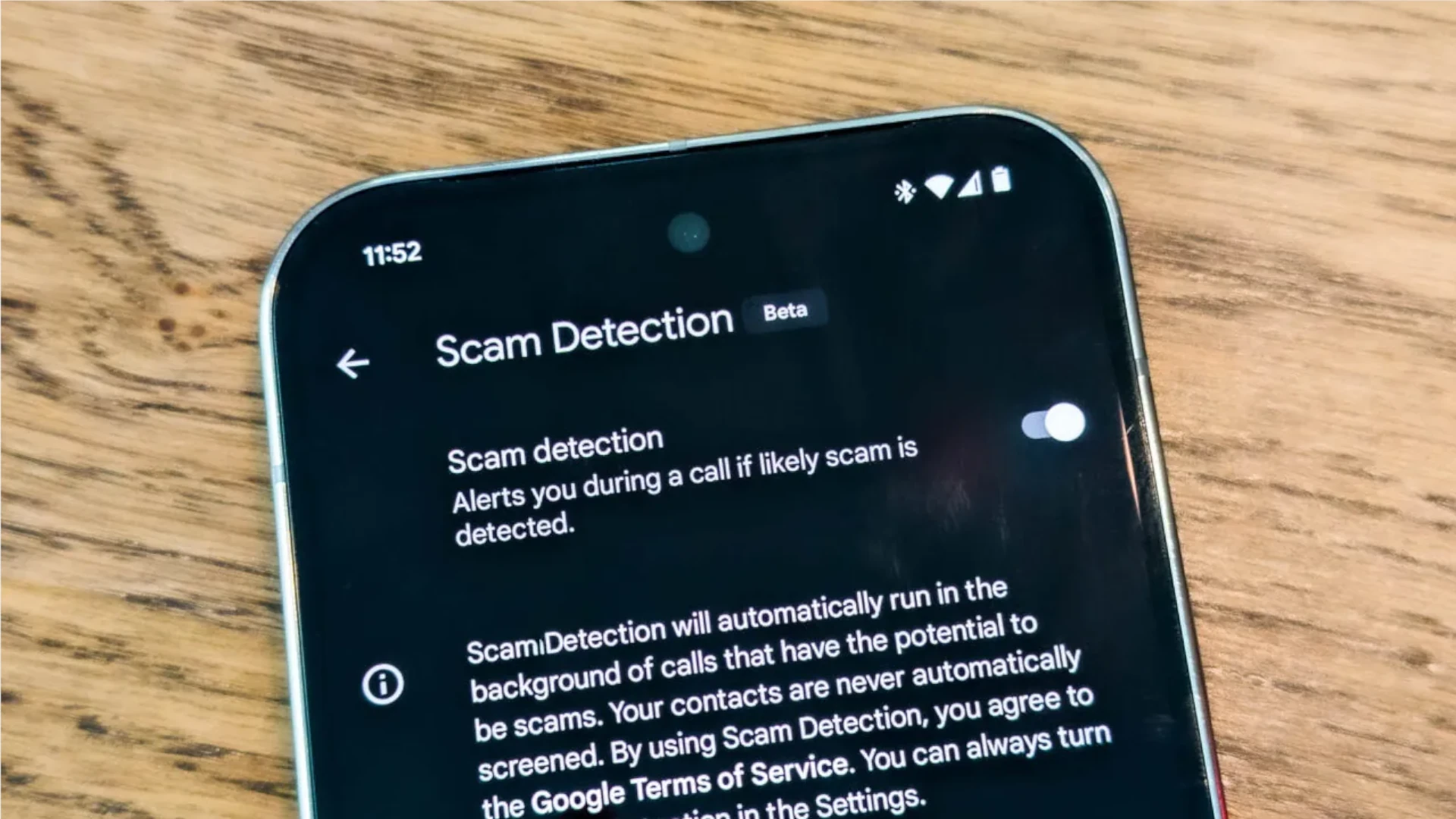
Depending on the text strings, in the call settings you will choose which apps to protect and the mobile will analyze incoming and outgoing voice calls. I would warn in three cases: Known phishing patternsa voice associated with an already identified scammer or a voice altered with AI, that is, a possible deepfake. The analysis would be done on the phone itself, without sending audio to servers. The code mentions 14 apps, although only the compatible ones that you have installed would appear, and the protection is deactivated if the call goes to video.
Why aim right where it hurts?
In Spain, the anti-fraud plan obliges operators to block fraudulent callsand they already total more than 300 million according to the Government. But that filter lives in the telephone network: a WhatsApp call travels encrypted over the Internet and the operator does not see it. Neither does the mobile phone, because both the Samsung system launched in Korea and the Google system used by the Galaxy S26 only monitor conventional calls. It is the gap taken advantage of by the frauds that INCIBE has been warning about throughout 2026, of which false technical support for the “family member in trouble”.
Will it arrive in Spain?
At the moment, nothing indicates it. The code includes two detection engines: one from Samsung for South Korea and another from China Mobile for China. Additionally, you might require a version of Galaxy AI which points to the first quarter of 2027, with the Galaxy S27, and was not active in the S26 Ultra analyzed. The precedent is not encouraging either: detection in normal S26 calls works only on iEnglish in the USA., and One UI 9 expands it to Japan, Canada and India, without any European or Latin American countries.
My reading: it is the anti-fraud function that makes the most sense in Europe and Latin Americawhere WhatsApp is the de facto phone for millions of people. Precisely for this reason it is difficult to understand why Spain and Mexico are not in the first group. If it arrives with the S27 and only in Asia, it will be another good idea that we will see later here.