


Keep the house warm without turning on the heating It is possible if you manage to reduce heat losses through doors, windows and floors. You don’t need to make major renovations or spend too much money: with four simple tricks You can improve the insulation of your home, combat the cold and prevent your energy bill from skyrocketing this winter.
Let’s see which trick is best to apply first. Keeping the house at a comfortable temperature does not always involve raising the thermostat: the key is to prevent heat from escaping through the weak points of the home, especially the windows and doors. If you combine these four measuresyou will notice less cold without needing to increase your consumption of heating.
Thermal curtains and weather stripping to keep the house warm without heating
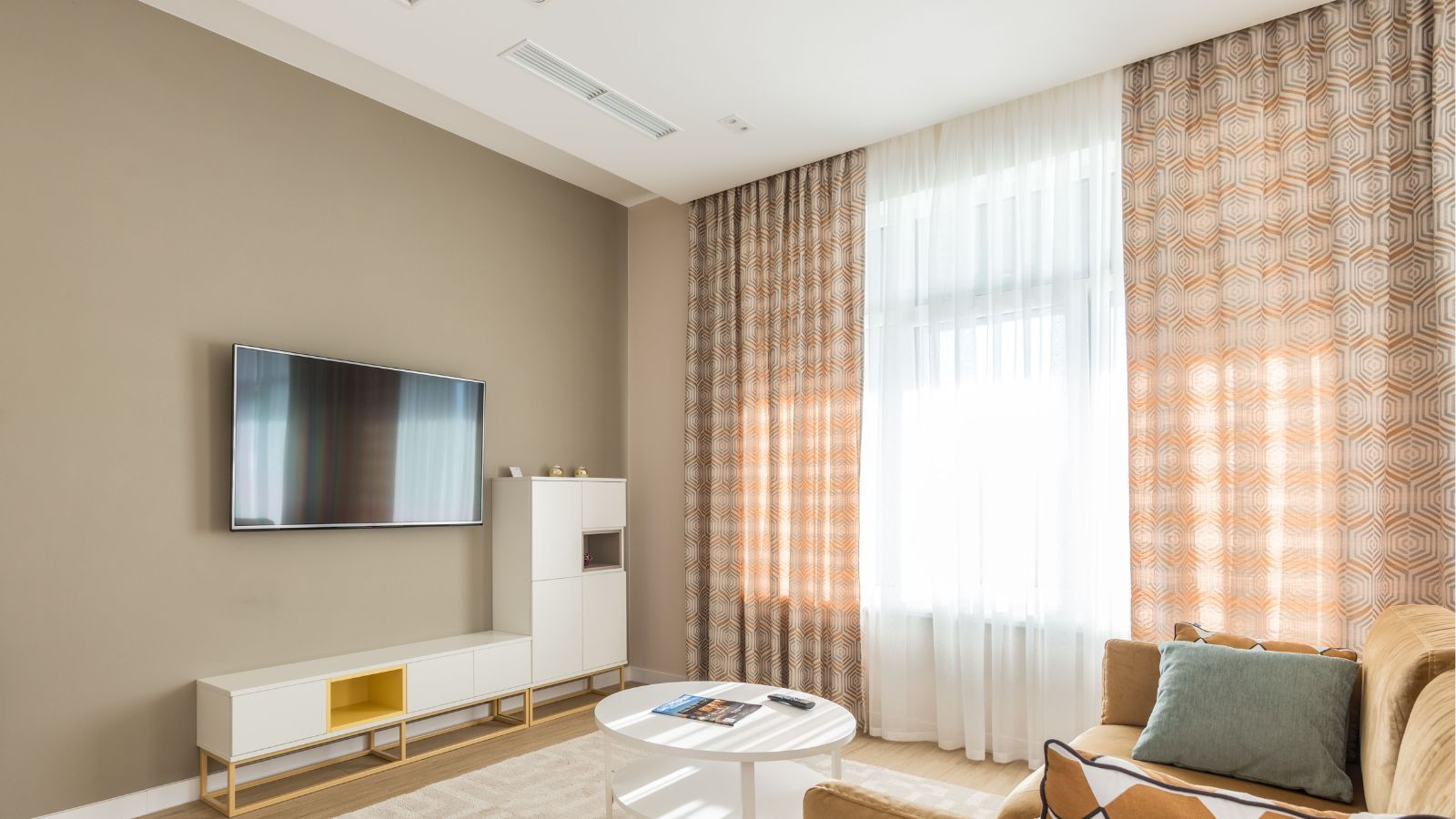
The thermal curtainsvery common in Nordic countries such as Finland or Norway, help reduce heat losses that occur through windows and soften thermal fluctuations within the room. Some models are made up of three layers: a decorative exterior, an insulating core that can also reduce noise and light entry, and a moisture protection layer. They are installed just like conventional curtains, so you don’t need professional help to hang them.
For door and window cracks, weather stripping They are one of the most economical solutions that you can install yourself. They are strips of rubber, silicone, foam or rubber that are fixed on the edges and seal the gaps between frames and leaves, through which cold air sneaks in. In addition to improving thermal comfort, they reduce the entry of dust, insects and street noise. The rubber ones stand out for their sealing capacity and resistance to wear, while the models with synthetic fiber brushes are especially useful in the lower part of the doors, an area where air currents usually occur.
Bubble wrap as economical window insulation
He double glazing It is one of the most effective solutions to reduce heat loss through windows, especially in homes with old glass. The problem is that installing it represents an investment that not everyone can assume, especially if they rent. For these cases, there is a much cheaper homemade alternative: placing bubble wrap on the glass.
To place it correctly, just follow a few simple steps:
- Cut the plastic until you get the same measurements as the glass you are going to cover.
- Spray a little water on the surface of the glass.
- Place the plastic with the smooth side in contact with the glass and the bubbles facing inward.
- Press gently with your hand to expel excess water and ensure it adheres.
This system incorporates a small layer of air that can help reduce heat loss through the glass, although does not replace double glazing nor does it offer the same level of isolation. Even so, if you are looking to improve comfort without doing work, it can be a temporary solution for this winter.
Thick rugs help retain heat in the home
Ceramic, stone or marble floors can feel especially cold during the winter months, something that is especially noticeable when walking barefoot. Cover the areas where you spend the most time, such as the living room or bedroom, with thick rugs or rugs is one of the simplest solutions to improve thermal comfort, in addition to providing warmth and making the room more welcoming. It is not necessary to cover the entire house: just choose the strategic points well.
The wool It is one of the best options due to its insulating properties, its resistance and its pleasant touch. Thick cotton rugs also work, they are soft and easy to clean, although their insulating capacity is usually somewhat less than that of wool. To get more out of them, add a insulating and non-slip base Underneath: Improves comfort and prevents the rug from shifting with daily use.
These four measures do not require major works or high investments, so they are useful whether you rent or own a home. Combine weather stripping, thermal curtains, bubble wrap and carpets can help you retain heat better and reduce the need to turn on the heating. Of course, on intensely cold days it will not always be enough to maintain an adequate interior temperature.