



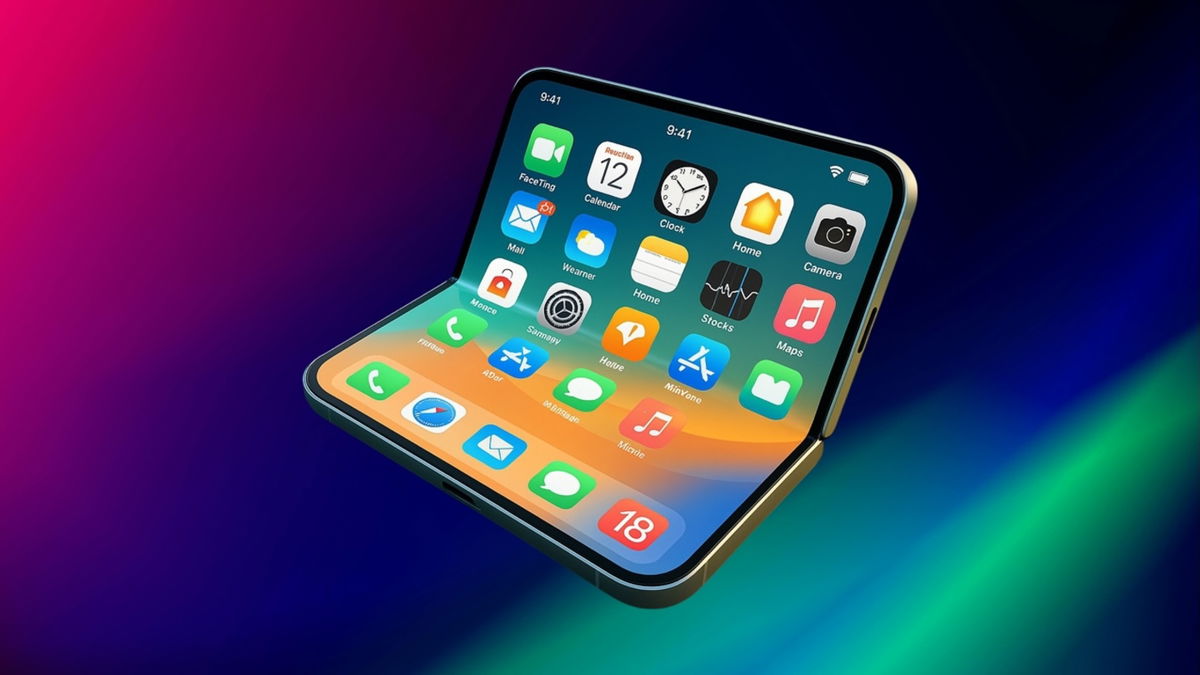

Among so many rumors about the foldable iPhone, where they claim that Apple has already found the right formula for its durability and almost perfection, we forget a small but important detail of a device that could be its end, if the foldable iPhone is a success. In 2010, Steve Jobs introduced a new product category, the iPad. He called it a “third category,” and it is a reality that has taken its place, although with slight increases and comparisons with the Mac. The foldable iPhone will have a size similar to the iPad mini when it is exposed in all its splendor. Is the iPad in check as the third device in terms of Apple’s range?
The iPad lives on thanks to its different ranges
As Ryan Christoffel notes in his 9to5Mac article, stating that “Steve Jobs’ third device might not have much of a shelf life,” the foldable iPhone could spark a significant shift within Apple’s product lineup. If you’ve ever owned an iPad for a while, you’ll attest to the fact that it’s useful and can be used for a variety of purposes. For me, the most basic iPad worked well enough for mostly media satisfaction and, in other emergent situations, served as a lifeline in case of a work emergency.
As editors of iPadizate, we could do our work on an iPad, although it could be complicated if we had to do other design tasks in apps we’re already used to using. In my case, Preview helps me a lot with image size, and I didn’t find an alternative in iPadOS that satisfied me. Files was a relief, although being accustomed to the macOS environment really makes me blind to any iPad.
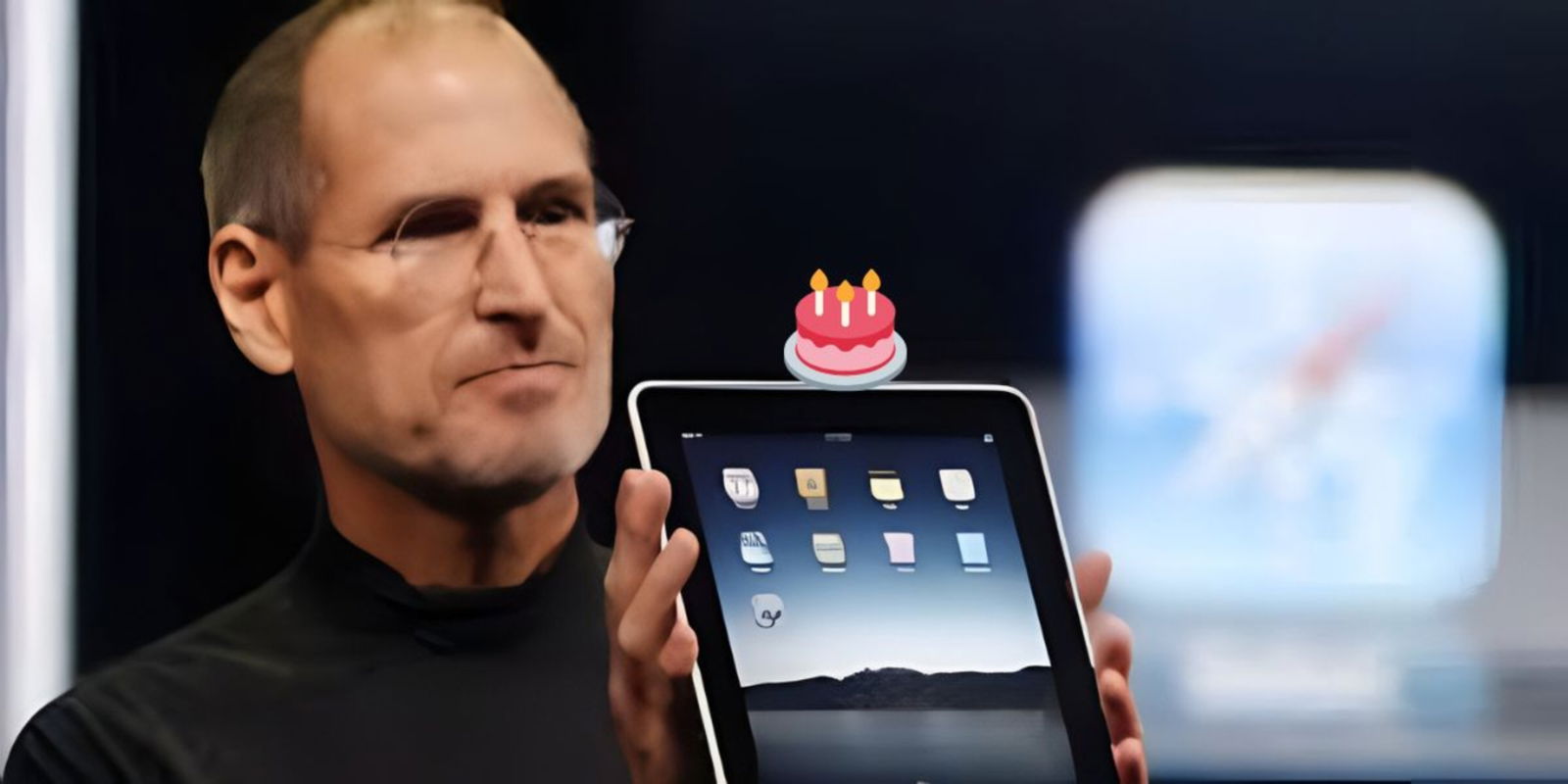
Going back to what Steve Jobs proposed in 2010, the third product category between the iPhone and the Mac was very justified, and it continues to be so with the iPad. Some users found a balance between iPadOS and macOS with the iPad Pro, others married the iPad mini for its size and portability, there are others of us who have more basic options or concentrate everything on the Mac and the iPhone. Steve Jobs argued that if “there were to be a third category of device, it would have to be better at the tasks than a laptop or smartphone.” Otherwise, it would have no reason to exist.
Perhaps it would no longer exist if Apple hadn’t diversified the lineup into several devices we never imagined would be developed. We thought there would be two types of iPad, the “normal” size, which was always 9.7 inches, and a 7.9-inch iPad mini. Fortunately, those in Cupertino didn’t lock themselves into a single idea and managed to offer an impressive range of a third product category that Jobs would have authorized without a second thought. Today we have one of the most powerful iPads thanks to the M4 chip, a mid-power iPad with the M3 chip, and a small iPad with one of the most powerful chips intended for mobile phones, like the A17 Pro. We won’t talk about the iPad itself because, unfortunately, it was left in limbo with the A16 chip without Apple Intelligence.
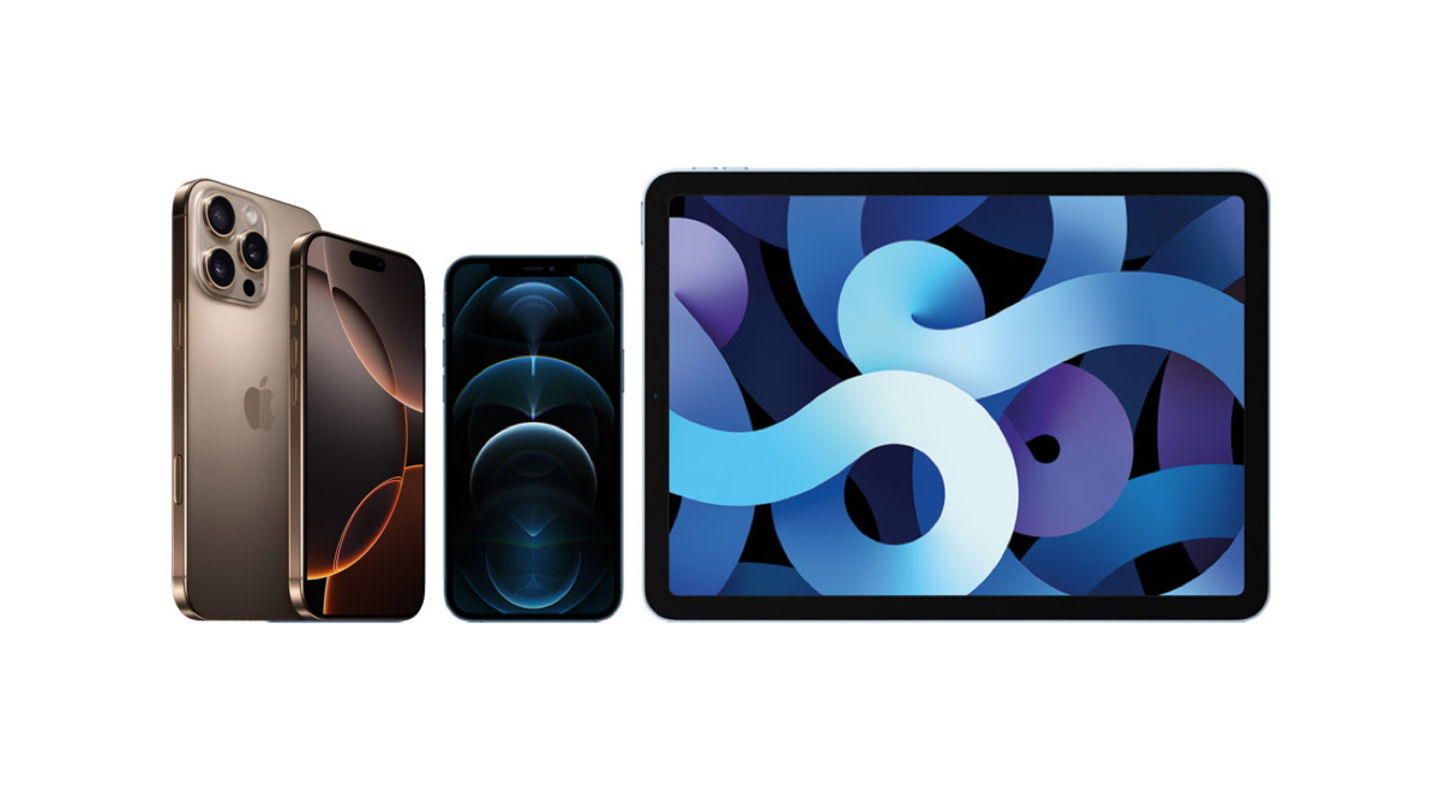
The simplest iPads could be phased out in place of the foldable iPhone.
All of these ideas lead us to this thought: could the iPad be replaced by the foldable iPhone? Initially, it’s absurd to think this because Apple won’t eliminate the product category just for a product that will be different. Initially, Apple will struggle to offer it because, due to its price, it’s not an iPhone for everyone. It could reach $2,000, a higher price than any iPad mini, Air, or Pro in their initial storage versions.
What if Apple succeeds with the foldable iPhone? New generations could come at a low cost and be appealing to the iPhone-only audience. iPad mini users could be directly seduced by the size, since the foldable iPhone in its full screen splendor would be 7.8 inches in size. The foldable iPhone could go into mass production by the end of 2026 .
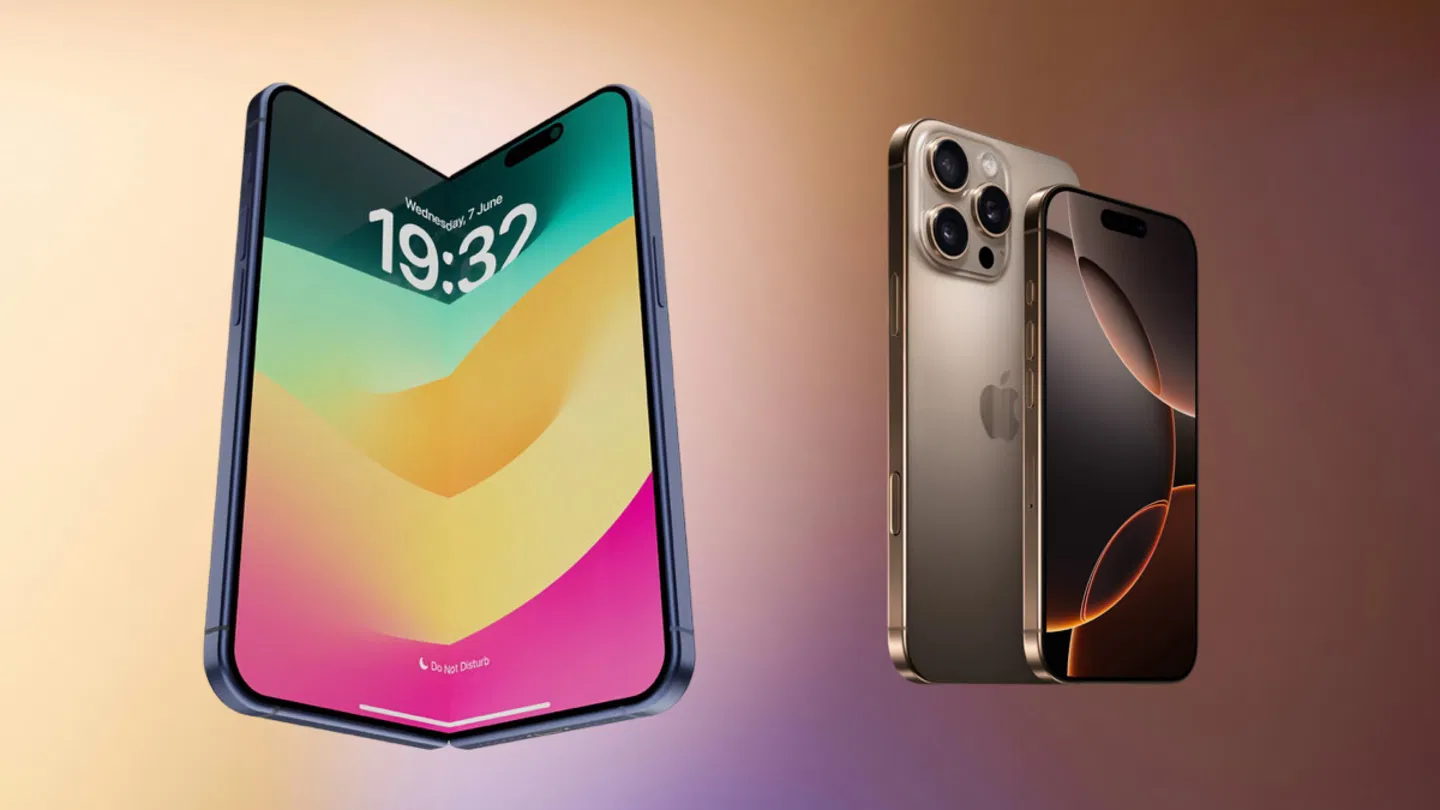
This could lead to two things:
- The simplest iPads would cease to exist as they would be surpassed by better technology, a compact and unfolded iPhone that achieves a large screen size.
- The iPad Air and Pro evolve to a foldable design so that they reach a maximum large size as we know them today, and compact for users who want something more than an iPhone.
Apple is clear that it wants to have different foldable devices, not just the iPhone. Everything will depend on the initial success of the foldable iPhone. We have no doubt they’ll be a success; it could be a turning point, as the first iPhone proved to be durable. What do you think about all this? Does the iPad have the merits to maintain its status, or could it be replaced in the future?