





The Information has exposed Apple’s dirty laundry following the Siri overhaul with Apple Intelligence. The virtual assistant from the company founded by Steve Jobs and Steve Wozniak received major updates, but many of the features it was supposed to include with iOS 18.4 have been delayed for future updates.
The reasons Apple has decided to postpone Siri updates are hidden behind a tangled web of problems and errors in the assistant’s internal structure. Developing new features is becoming impossible for software engineers at the company led by Tim Cook, and this has catastrophic consequences for its employees.
Read on to discover the internal conflicts among Apple employees, the problems caused by Siri’s failure, and poor leadership practices at the top. These are the darkest secrets behind the scenes of the bitten apple.
Siri has unleashed hell at the Apple Park offices.
Everything suggests that Apple has considered multiple options to support the computational framework for Apple Intelligence. Apparently, the initial idea was to develop language models of varying sizes to run locally on its devices and in the cloud.
These language models were internally dubbed “Mini Mouse” and “Mighty Mouse.” But the leaders of the Siri refactoring at Apple Intelligence decided to shift the project’s focus and develop a single language model to manage all cloud requests.
This indecision, lack of leadership, and sudden changes led to frustration among the team’s engineers, and many members eventually left Apple. More than half a dozen workers in the artificial intelligence and machine learning sectors have mentioned that the project leader lacked the ambition and appetite to take risks in designing future versions of Siri.
Siri has become a “hot potato,” passed from one team to another without significant improvements. Rather than a project, it has become a disastrous curse.
However, these weren’t the only problems during the development of new language models for Siri. The group also had numerous arguments over some employees receiving higher pay, early promotions, longer vacations, or shorter work days.
John Giannandrea, Apple’s head of AI, was confident he could solve Siri’s problems. After ChatGPT arrived in 2022, there wasn’t much urgency to catch up with the competition, something Steve Jobs would have quickly put an end to. According to John Giannandrea, chatbots like ChatGPT weren’t of much value to users in the Apple ecosystem.
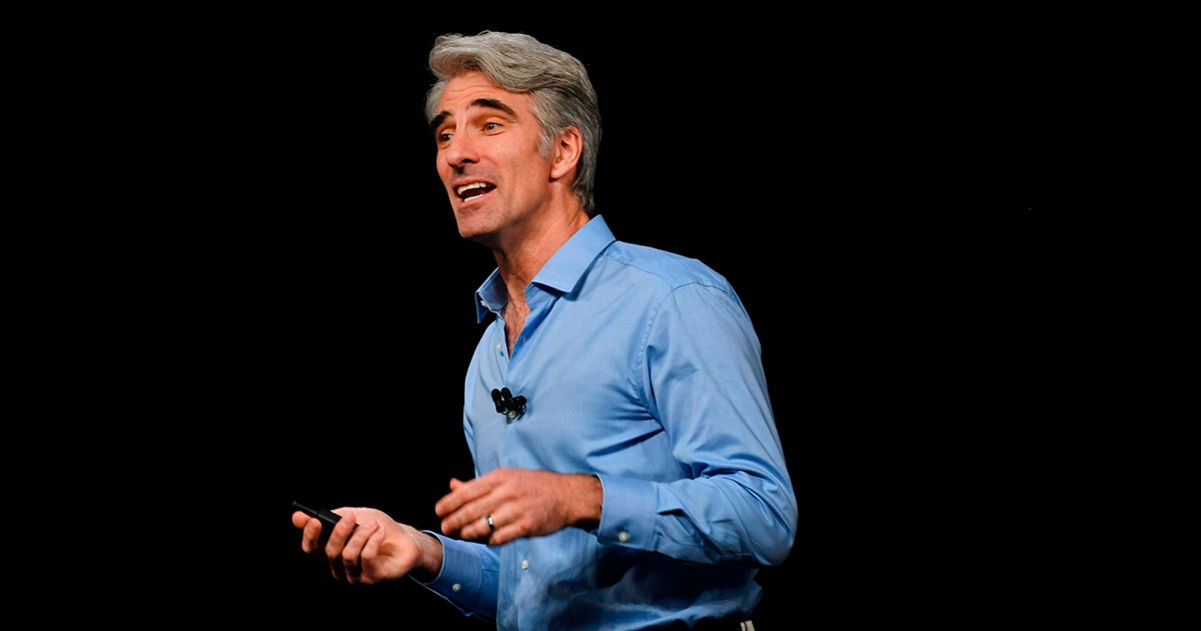
Craig Federighi to the rescue
Apple initially prohibited the use of other language models for developing Apple products. But at the time, Apple’s language models “didn’t offer as good performance as OpenAI’s technology.”
Apple then launched a project called “Link” to develop Siri voice commands that would allow users to browse the web and resize windows from the Apple Vision Pro. Most of these features ended up in the trash.
Just the novelty of activating Siri by saying “Siri” instead of “Hey Siri” took two years to develop.
After WWDC24, many of Siri’s features from the big Apple Intelligence reveal were forgotten. Apple showed how the assistant was able to access emails to pull up real-time flight data and how it set flight reminders by analyzing Messages. Again, these features have been delayed due to a lack of resources.
The only new thing about Siri is that it can now use ChatGPT to answer user questions, and the new user interface features colorful animations surrounding the screen.
But Craig Federighi may be able to turn this whole mess around with Siri’s internals. Craig has apparently instructed Siri engineers to “do whatever it takes to develop the best AI features,” even if that means using open-source language models from other vendors.