It is possible that, until today, you only used Google Translate to resolve a specific question or save yourself on a trip. However, Google wants to radically change that relationship and turn its application into a daily learning tool. In its latest massive update, the company has decided to integrate educational functions that inevitably remind us of other popular apps like Duolingo. The idea is simple but powerful: that you not only translate, but that retain and learn new vocabulary every day.
To achieve this goal, the application has begun to deploy globally a system of daily streaks (daily streaks) and vocabulary challenges. This functionality, which is expanding to 20 new countries, seeks to “gamify” the experience, motivating you to open the app every day to learn new words and phrases. It's a smart move on Google's part: transforming a passive utility into an active companion that helps you improve your level of English, French or any of the many supported languages.
Real-time translation for (almost) all headphones
But the educational part is not the only thing that changes. Perhaps the most exciting news for hardware lovers is the democratization of the feature Live Translate. Until now, if you wanted to have an “interpreter in your ear” to translate a conversation in real time, you were forced to use Google's Pixel Buds. That exclusivity is over. The company has confirmed that this feature opens to third party headphonesallowing many more people to access this technology without changing helmets.
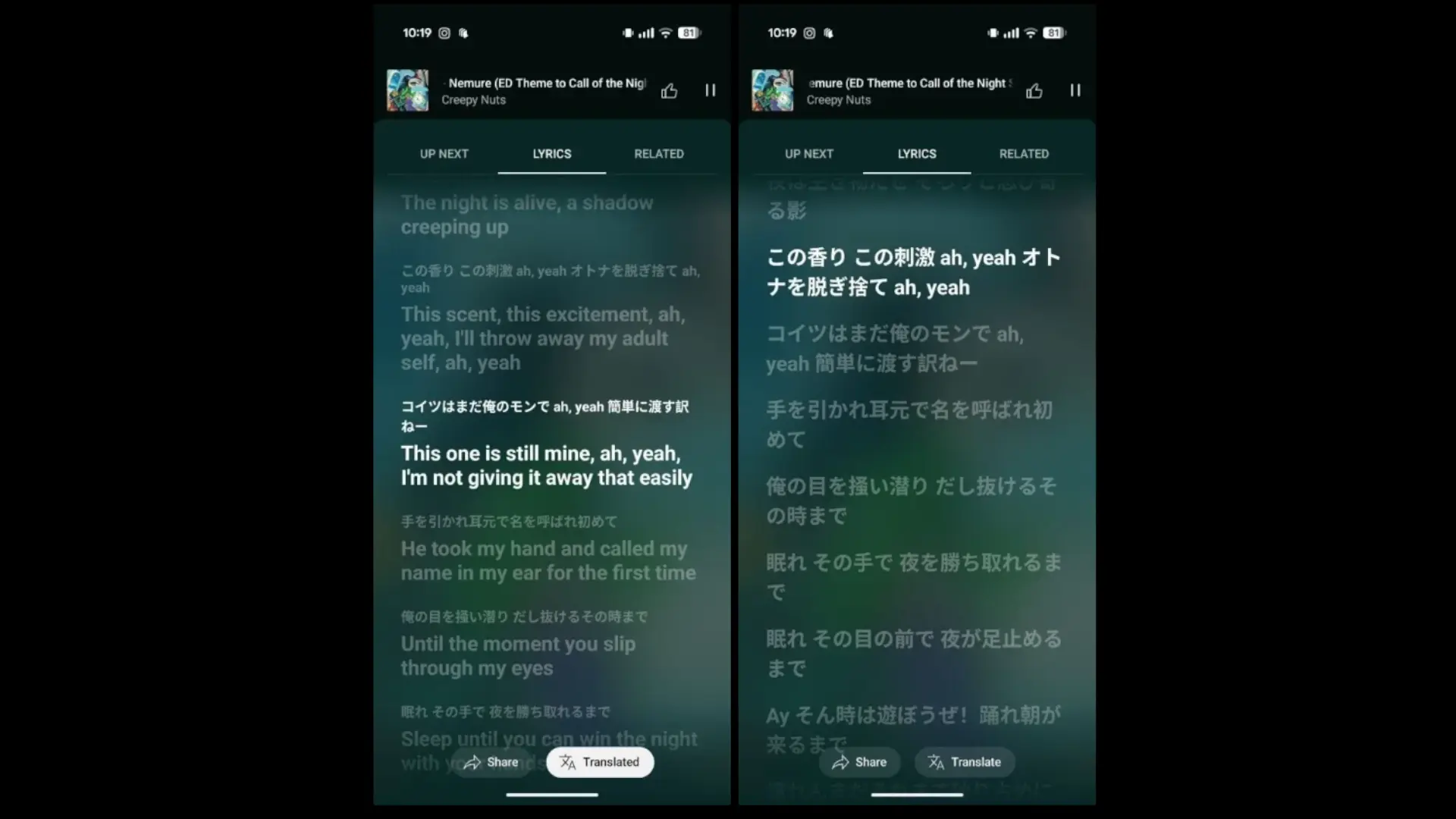
This feature, which arrives in beta phase, uses Google's powerful artificial intelligence models to offer a much more fluid experience. The system not only translates the words, but attempts to replicate the tone and cadence from the original speaker, making the conversation sound less robotic and more natural. At the moment it works unidirectionally (you listen to the translation), but it is a brutal advance for traveling or attending conferences in other languages using the equipment you already have at home.
Gemini learns to speak “on the street”: goodbye to mistakes with slang
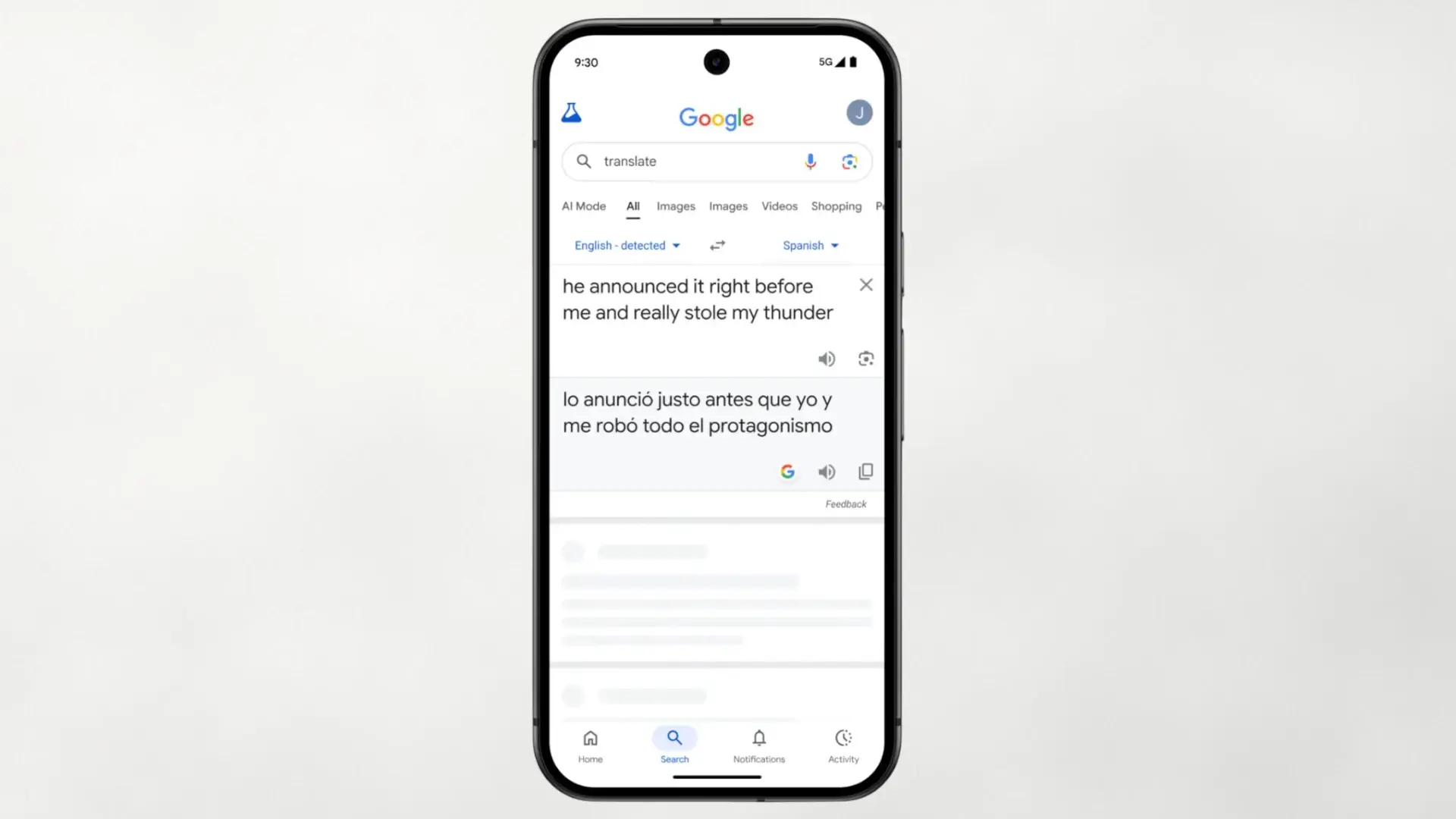
Last but not least, Google has injected its model Gemini in the translation engine to solve one of its historical debts: the cultural context. We have all seen how the translator failed miserably when trying to interpret clichés, proverbs or local slang (slang). Thanks to this new AI, the application is now able to understand and adapt complex idiomatic expressions in more than 20 languages, including Spanish.
This means that translations will no longer be so literal and “squared”. If someone uses an idiom in English or a very local expression in Arabic, Gemini will try to find their cultural equivalent in your language instead of translating word for word. It is the finishing touch to an update that seeks, above all, for technology to better understand how humans really communicate.
Do you think these learning features will motivate you to study a new language or will you continue to use the translator only for emergencies?