



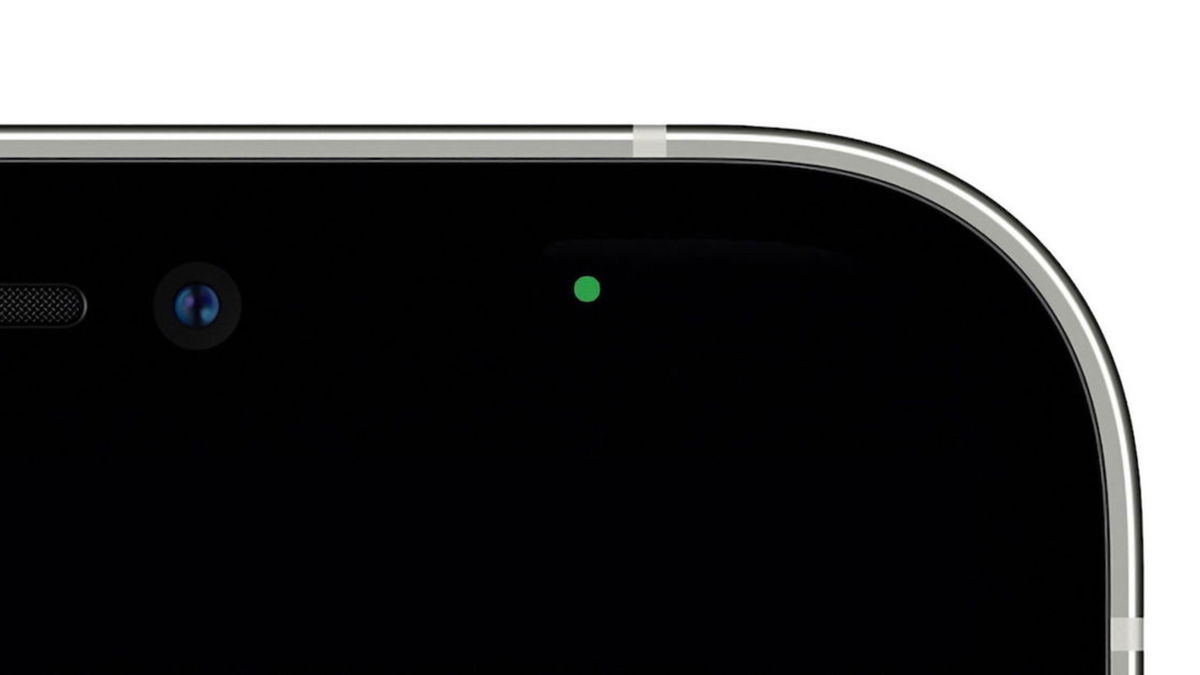

The iPhone 17 Air will begin to be a fundamental turning point in iPhone designs in recent years, although Apple will not be satisfied with that. While it is true that the iPhone X was the first model to make a radical change in design, we could expect a real revolution for the next iPhone 18 Pro, all related to the way Face ID and the front camera of the device will work. The notch, as we know it, would disappear to make way for a perforated screen design according to a latest rumor from a reliable source.
The iPhone 18 and 19 Pro are expected to feature a radical change in Face ID technology.
Wayne Ma of The Information has cited in a new report that the design of the iPhone 18 Pro and iPhone 18 Pro Max will have a “small hole in the upper left corner” so that the front-facing camera will be located. Everything would be heading towards the 20th anniversary iPhone. It would be totally different from what we expect from an iPhone in terms of the placement of its camera, although this would be to be able to move the Face ID components under the screen. That would cause the notch to disappear completely. This rumor was able to be confirmed thanks to two people who have knowledge of this matter and are surely very close to the research and development people.
The iPhone 17 would be the last iPhone to have a design that has been maintained for several generations, however, the notch has been particularly characteristic of the iPhone to the point of evolving from the iPhone 14 Pro and providing more information thanks to the Dynamic Island. For the iPhone 18 Pro, the Dynamic Island would not go away but rather would transform and move to the left side. This change would be very surprising, considering that for many years it was rumored that Apple could take this design stance.
Apple has struggled to transform the design of its iPhones, but time has shown this.
Many of us thought Apple wouldn’t be able to transform the original iPhone in terms of design. For many years, it remained the same until the iPhone 8, when there were some internal changes. For example, the Home button was transformed into a haptic button so that when it was off, it would stop working, giving durability to the action of pressing it over time.

The thick frames and their small screen made them survive with the Plus models from the iPhone 6 until the iPhone X arrived with Face ID and the notch that we have known until recently, although with a fairly considerable size. It has been reducing in size until the Dynamic Island arrived, which is now a standard since the iPhone 15. Almost 8 years after its first major renovation, rumors of a new transformation begin, and we will see if they manage to materialize in a good way.