


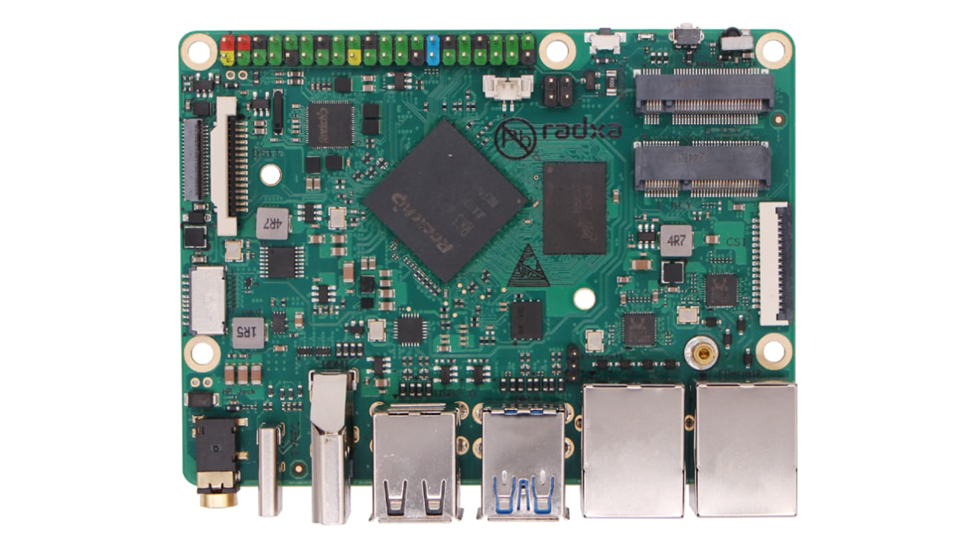

Though they don’t get the attention that desktop PCs get, single-board computers are more prevalent in the world than you may have realized. They are as the name implies – a computer on a single board, featuring many of the components that a desktop PC has.
Single-board computers serve a wide range of purposes, whether they be at home, school, for businesses, or in the industrial sector. In the guide below, we’ll cover a few things pertaining to single-board computers, including what they are most commonly used for.
The Makeup of Single-Board Computers
Though they may look far different, single-board computers are actually very similar to the traditional desktop computer. The differences come in the construction and application of single-board computers versus their counterparts. When it comes down to it, single board computers have all the same components – RAM, processor, even a variety of ports – that a desktop PC but it is all compiled on a single board.
The versatility of single-board computers may be the biggest selling point. They can be applied for school applications like teaching code, help to automate and control a variety of machines for industrial shops, and several other things. Traditional desktop PCs are a lot less flexible and consume much more space.
The Primary Uses of Single-Board Computers
The cool thing about single-board computers like the Okdo Rock 5 is that they can be used in a variety of tech applications. They can be used for personal reasons, whether you are building your own computer, tinkering around and learning about the various components, or something else. They are also used in schools because they are cost-effective, making them ideal for teaching coding.
The single most common use of single-board computers comes from the industrial sector. Because they are smaller and more energy-efficient, they are perfect for a litany of machines like CNC and robotics. With each passing year, single-board computers are being used for industrial purposes more and more.
The Benefits of Single-Board Computers
Now that we know more about the construction and application of single-board computers, it is time to go over the benefits that come with them. Their popularity is on the rise for all the reasons that you see below.
Great in harsh environments. Single-board computers have been constructed to hold up against harsher conditions. They are resistant to vibration and shock, generate less heat, and have better durability which makes them highly useful in harsh environments.
Longer lifespan. Another benefit of being able to work in harsh environments is that single-board computers have a longer lifespan than the average desktop computer. That helps to save on cost – another major perk of single board computers – compared to the much more expensive desktop PC.
Great for amateurs and DIYers. Single-board computers are used in homes all the time. They are used in network-attached storage devices and home servers, while also becoming more popular when being used as a development board.
Cost. While all of those benefits are great, the first thing that many will notice about single-board computers is how cheap they are. When you have a desktop PC, modifying it can become very expensive very quickly. Single-board computers are cheap enough that they can be purchased for an entire classroom, making them ideal for teaching programming and robotics.
Industrial and commercial applications. The single biggest use of single-board computers comes from the industrial sector. That said, they are becoming more commonly adopted for military applications, security systems, and medical diagnosis.