


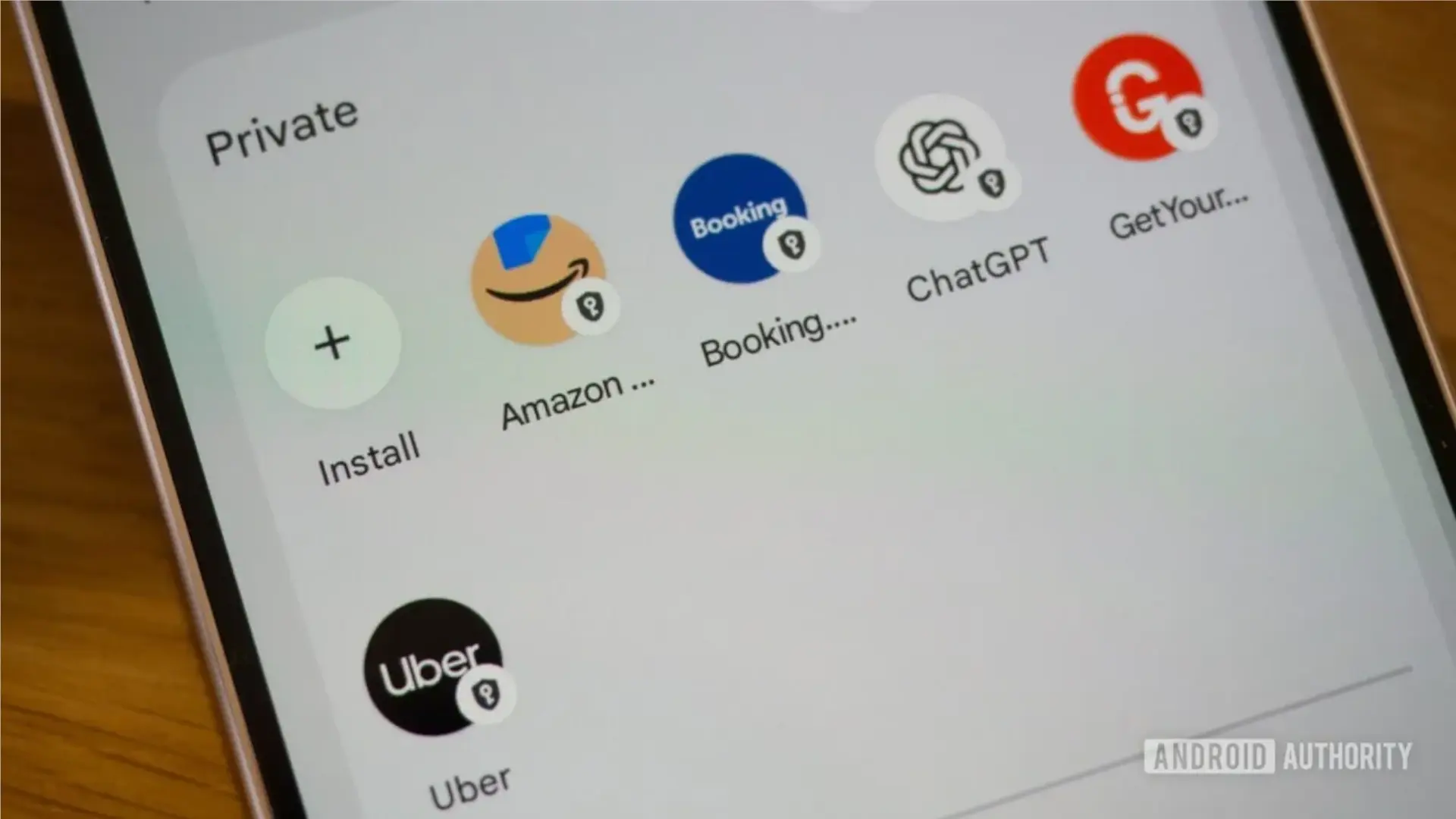

If you are a user of a Google Pixel or a phone with a very clean version of Android, you have probably felt that little envy when you see how your friends with Xiaomi or Samsung lock their WhatsApp or Gallery with a fingerprint directly from the system. Until now, Google's “pure experience” forced us to resort to Private Space (which hides the apps completely) or to unreliable third-party solutions. But it seems that the wait is about to end.
According to recent research by expert Mishaal Rahman in Android Authoritythe code of the latest version of puberbas on Android hides a major surprise: a function native app lock. This means that Google is finally working on an API that will allow your launcher (the home screen) lock access to any individual app using biometrics or password, without having to hide it in a separate profile or resort to strange tricks.
Goodbye to patches: real security integrated into the system
What has been discovered in the code is a new API called LOCK_APPSdesigned specifically so that the default application launcher can request that an app be blocked. The operation aims to be very simple and natural: you will probably only have to press and hold the icon of the app you want to protect and select a new “Block” option. At that moment, the system will ask you: “Block (App Name)?”and once confirmed, no one will be able to open it without your fingerprint, face or PIN.
This implementation marks a crucial difference compared to the current Private Space Android 15. While Private Space creates a separate user profile, isolates data, and hides the app (which is great for things you want to keep completely secret), this new feature is for the comfort of everyday life. You can have your banking app or your photos on the home screen as always, but with an extra layer of security for when you lend your phone to someone to make a call or view a map.
When will it reach our phones?

The big advantage of this being native is security. The “App Lock” apps you download from the Play Store have a fatal flaw: anyone can uninstall them to remove the lock, or they require invasive accessibility permissions to work. With this function integrated into Android 17the lock will be part of the operating system, impossible to circumvent by uninstalling anything and using Android's biometric security standards.
However, you have to be patient. Although the code is already appearing in the test versions, everything indicates that this feature will not arrive until the official launch of Android 17scheduled for next year. There are still unknowns to be resolved, such as whether the system will also hide the content of notifications from these blocked apps, something that would be logical to maintain total privacy. For now, Google seems to be laying the foundation so that, finally, we do not need to install anything extra to protect our most basic privacy.
And you, are you one of those who uses Private Space for everything or have you been waiting for years for a simple function to set a password for WhatsApp?