


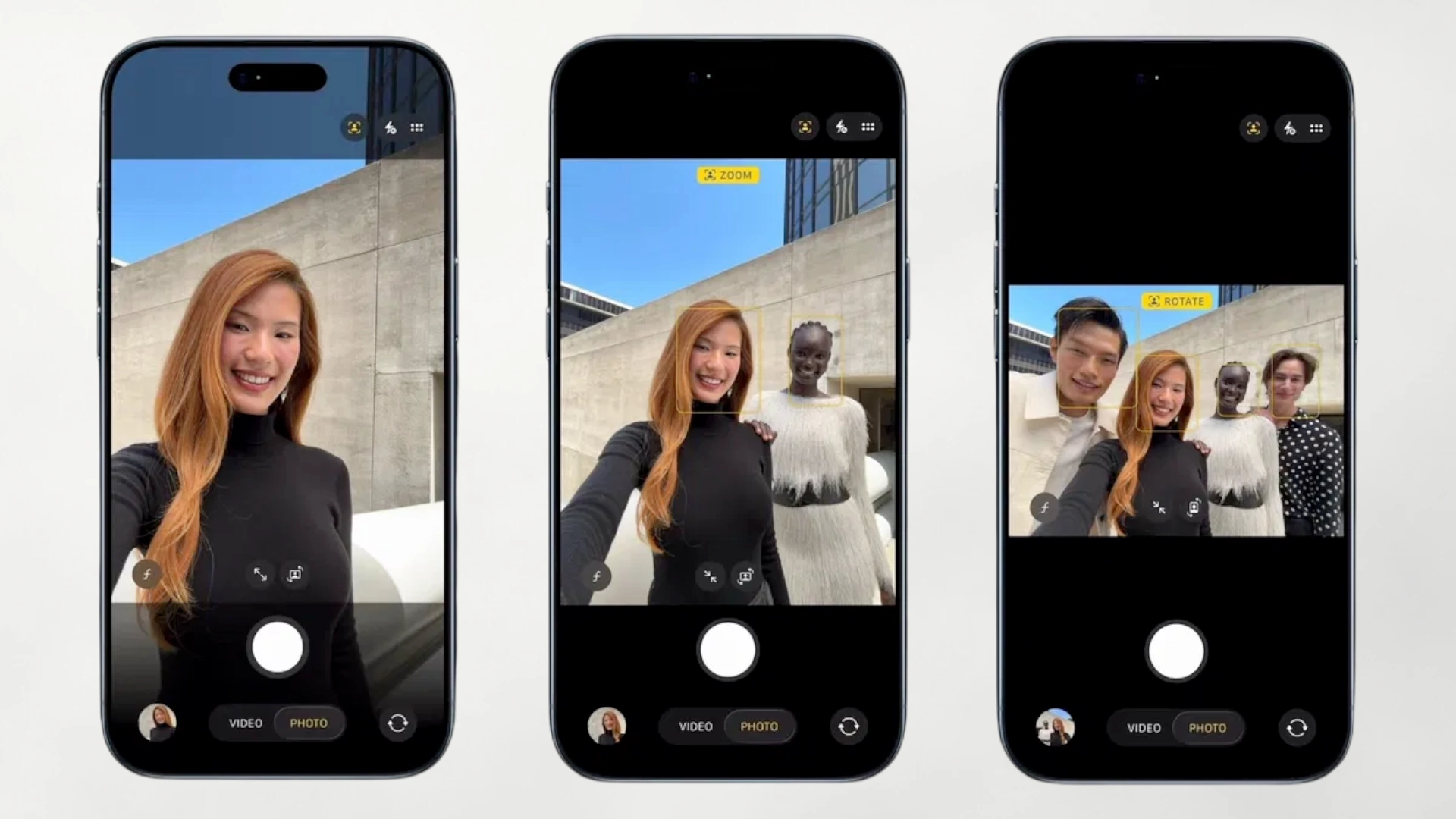

It is likely that, if you have tried a iPhone 17you may have noticed a detail that completely changes the way you take photos: its front camera. Apple introduced in this generation a feature that, under the name of 'Center Stage' (reusing the nomenclature of their iPads), allows something that seems like magic: taking a selfie with the mobile phone vertically and obtaining a photo in horizontal format, without having to turn your wrist or juggle.
This function, which has been praised by users and critics, is no longer exclusive to the bitten apple. As often happens in this industry, when someone finds a key that tangibly improves the user experience, the competition is quick to react. And this time, the response of the ecosystem Android has been fast: the “magic” of the square sensor is about to land on competing mobile phones, promising to democratize this convenience for everyone.
A square sensor to eliminate wrist twists
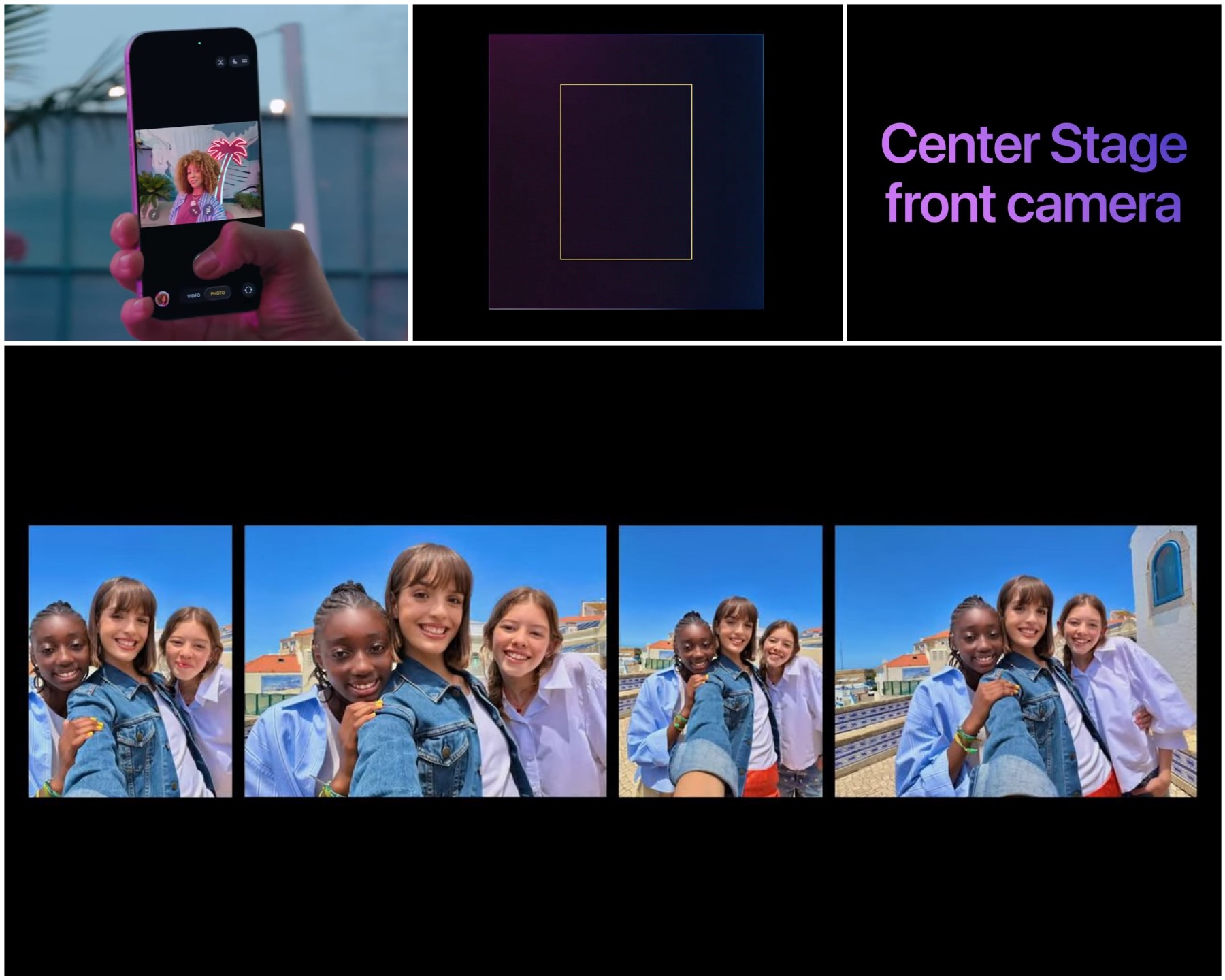
The secret behind this novelty is not extremely complex software or generative artificial intelligence, but a smart hardware decision. Apple mounted its iPhone 17 a square sensor in the front camera, instead of the traditional rectangular one. This allows the camera to capture a complete image that encompasses both the vertical and horizontal fields simultaneously.
Thanks to this, the user decides the final framing or lets the system offer the panoramic view even if they hold the phone upright. It's an ingenious solution and, surprisingly, quite inexpensive to implement. It does not require exotic components, just a change in the captor format. Therefore, manufacturers such as Oppo and Huawei They are already working hard to integrate this technology into their next flagships, the Oppo Find X10 and the Nova 16 series, respectively.
The best of both worlds: comfort and spaciousness
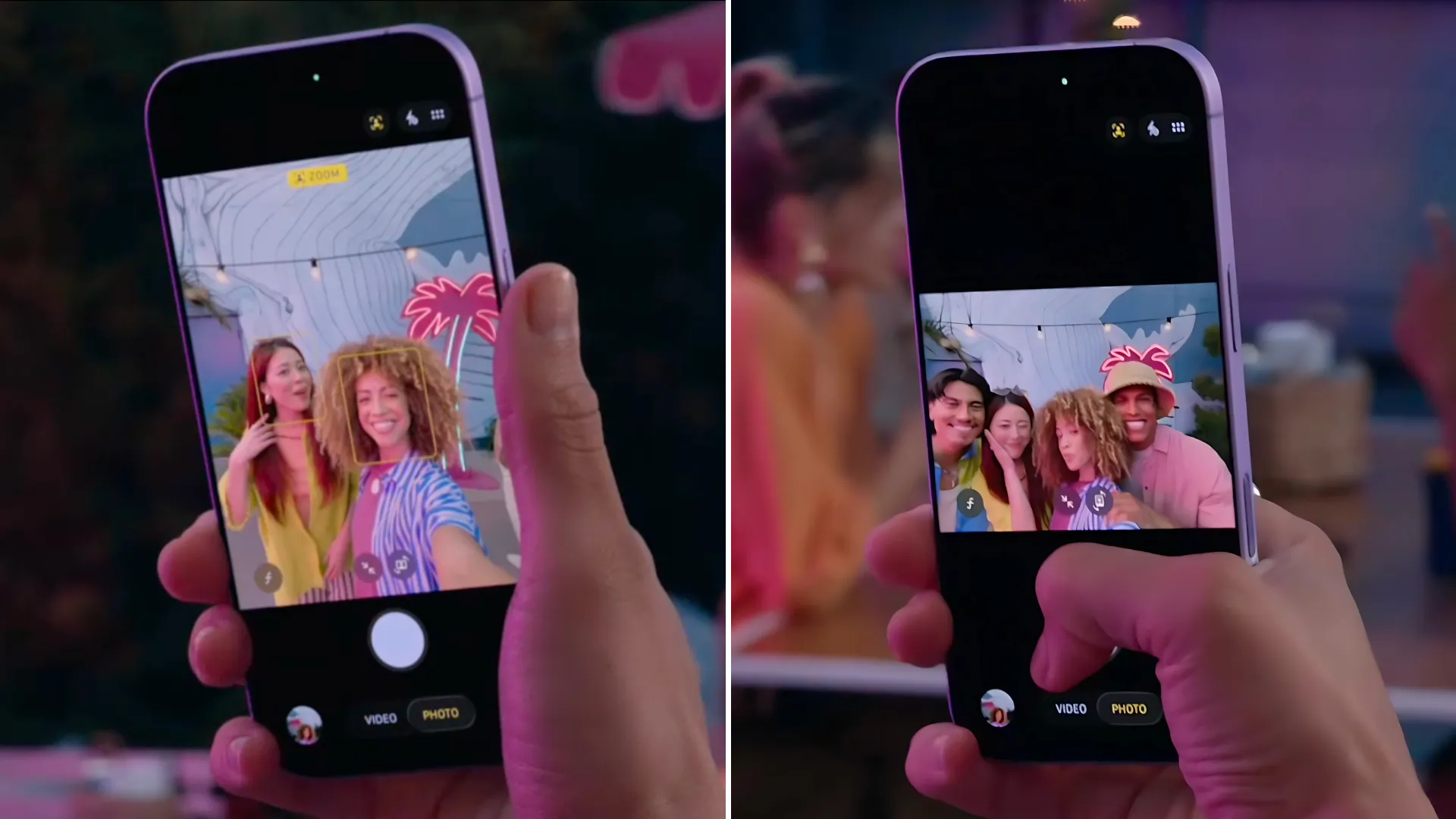
The arrival of this feature to Android marks a turning point. Until now, the format of the Stories and TikTok had imposed the tyranny of verticality, but many times we want to capture a landscape or a group of friends and the vertical format falls short. With the implementation of these sensors on Android, we will have the best of both worlds: the comfort of vertical grip with the width of horizontal capture.
Furthermore, since it is a relatively simple hardware technology, it is very likely that it will not remain only in the high-end. Although the first to receive it will be the models premiumlogic dictates that in a short time we will see square sensors in the mid-range, standardizing a way of photographing that, once you try it, becomes difficult to abandon. It is one of those small “quality of life” improvements that justify the change of terminal.
Do you think this function is really useful for your daily life or do you prefer to continue turning your phone the old way?