


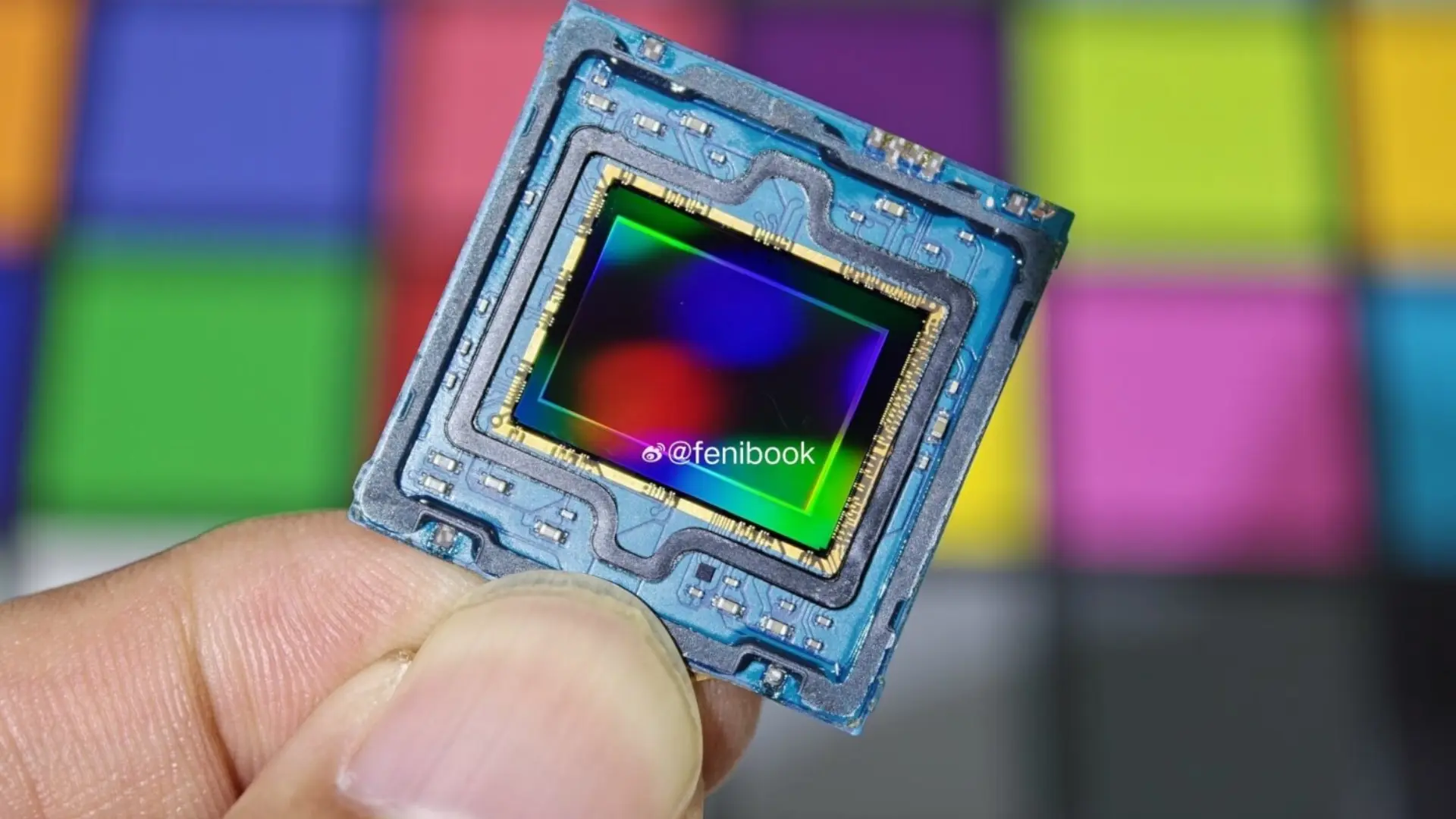

Sony prepares its first 200 megapixel mobile sensor and, if the leaks are correct, it will be one of the largest ever seen on a smartphone. Is called LYT-910would have a 1/1.11 inch format and 0.7 micrometer (µm) pixelsa combination designed to improve light capture and compete with Samsung's proposal in the high range. Beyond the number, what will be interesting will be to see how it will be integrated into real mobile phones in 2026 and what practical benefits it will offer in photography and video.
The movement does not catch anyone by surprise: brands like Samsung have popularized the 200 Mpx in their flagships, and manufacturers such as OPPO or vivo have been betting on large format sensors signed by Sony for years. With the LYT-910, rumors speak of binning to shoot 50 Mpx By default, use sensor crop to achieve 2x and 4x digital zoom with minimal quality loss. and HDR improvements that could raise dynamic range above usual. All of this, in theory, should translate into sharper portraits, better exposed skies, and night photos with less of a watercolor effect.
What the leak says and why it matters
The key data is the size: 1/1.11 inch is noticeably larger than the 1/1.3 inch format of some current 200 Mpx. If Sony maintains its good work in fast reading and low luminance performance, we will have less noisemore fine detail and more reliable approach in complicated scenes. The 0.7 µm matrix It would also allow different grouping patterns (4 in 1 or 16 in 1) to balance resolution and sensitivity depending on the scene; For practical purposes, the mobile will be able to switch between detailed shots in bright light and photos with less noise in night shots without relying too much on software processing.
In video, several voices point to 8K at 30 frames per second and 4K at 120 frames per second with HDR, something that fits with the jump in power of the chips that we will see in 2026. It would be a clear bet for those who already edit video directly from their mobile phone and for brands that want to stand out for their stabilization and consistent colors between the different cameras of the device. Of course, we talk about rumors: Until a manufacturer assembles the LYT-910, it is prudent to consider these data as approximations until official confirmation.
What mobile phones could release it and who is it competing against?

According to the leaked calendar, this sensor would reach flagships in 2026, a segment where brands such as OPPO, vivo, Xiaomi or even Samsung usually compete with some variants. If it finally arrives with improvements of Hybrid HDR and fast reading, the LYT-910 would be a direct rival to the new ISOCELL HP5 200 Mpx from Samsungwhich already offer good sharpness and burst speed. Sony's advantage would be in its physical size and in a more “natural” color treatment, something that many users associate with the Japanese brand and that, combined with quality optics, could make differences in texture and dynamic range.
LYT-910 technical sheet
- Resolution: 200 megapixels
- Size: 1/1.11 inch
- Pixel size: 0.7µm
- Expected output: 50 Mpx (by binning) and 200 Mpx complete
- Cutout on sensor: 2x and 4x no appreciable loss
- Video (rumored): 8K at 30fps and 4K at 120fps with HDR
More size, fewer tricks: what we can expect
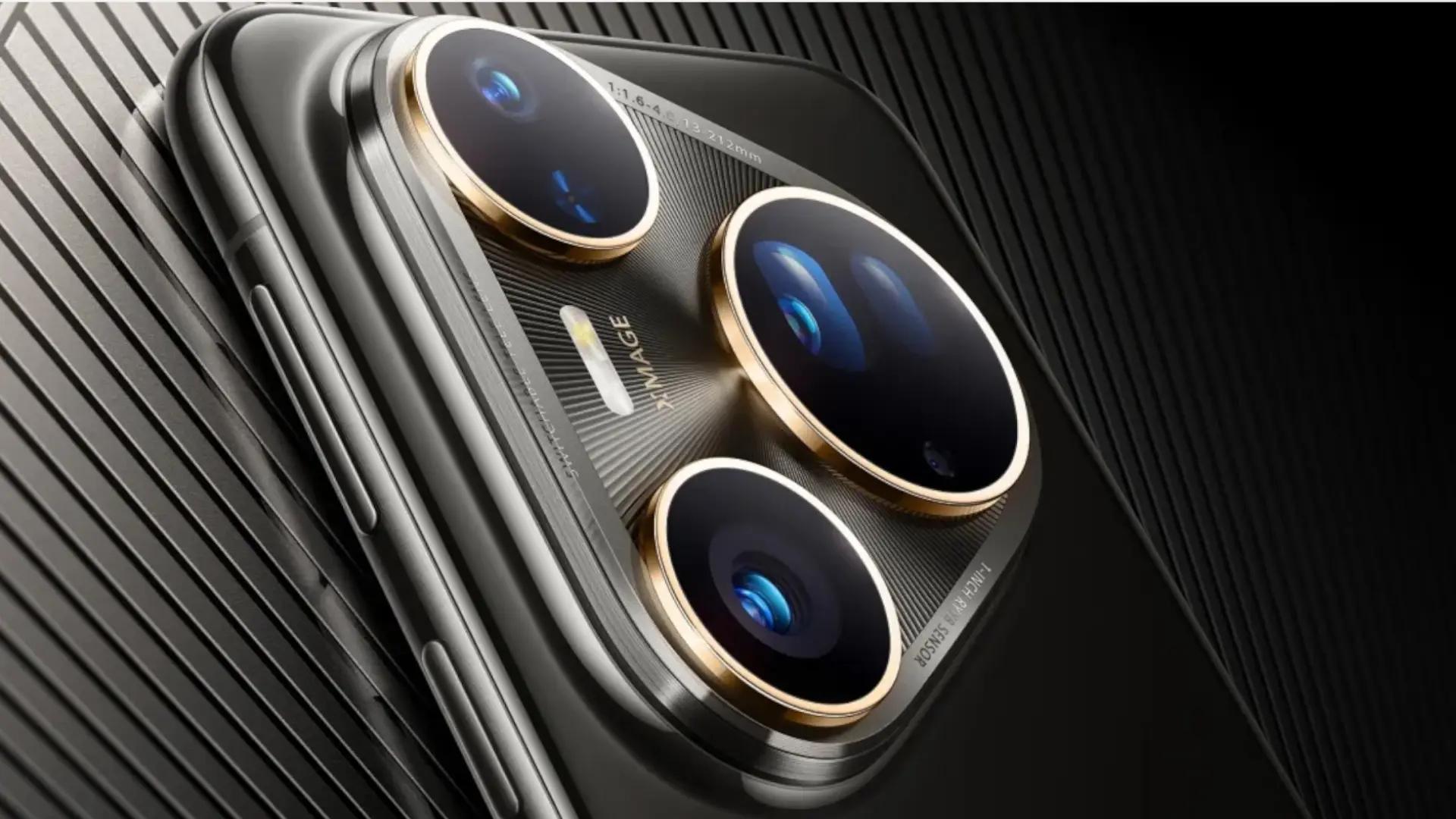
If these specifications are confirmed, we will see thicker mobiles around the module to accommodate the sensor and better optics, but also a real leap in night photography and short zoom without resorting to telephoto lenses. The key will be processed: If manufacturers refine the treatment and avoid excessive noise reduction, the LYT-910 could be the push that mobile photography needed to recover texture and naturalness.
Are you convinced by the idea of a 200 Mpx “almost 1 inch” sensor for your next high-end mobile phone or do you prefer solutions with less resolution and better telephoto lenses? We read you in the comments.