


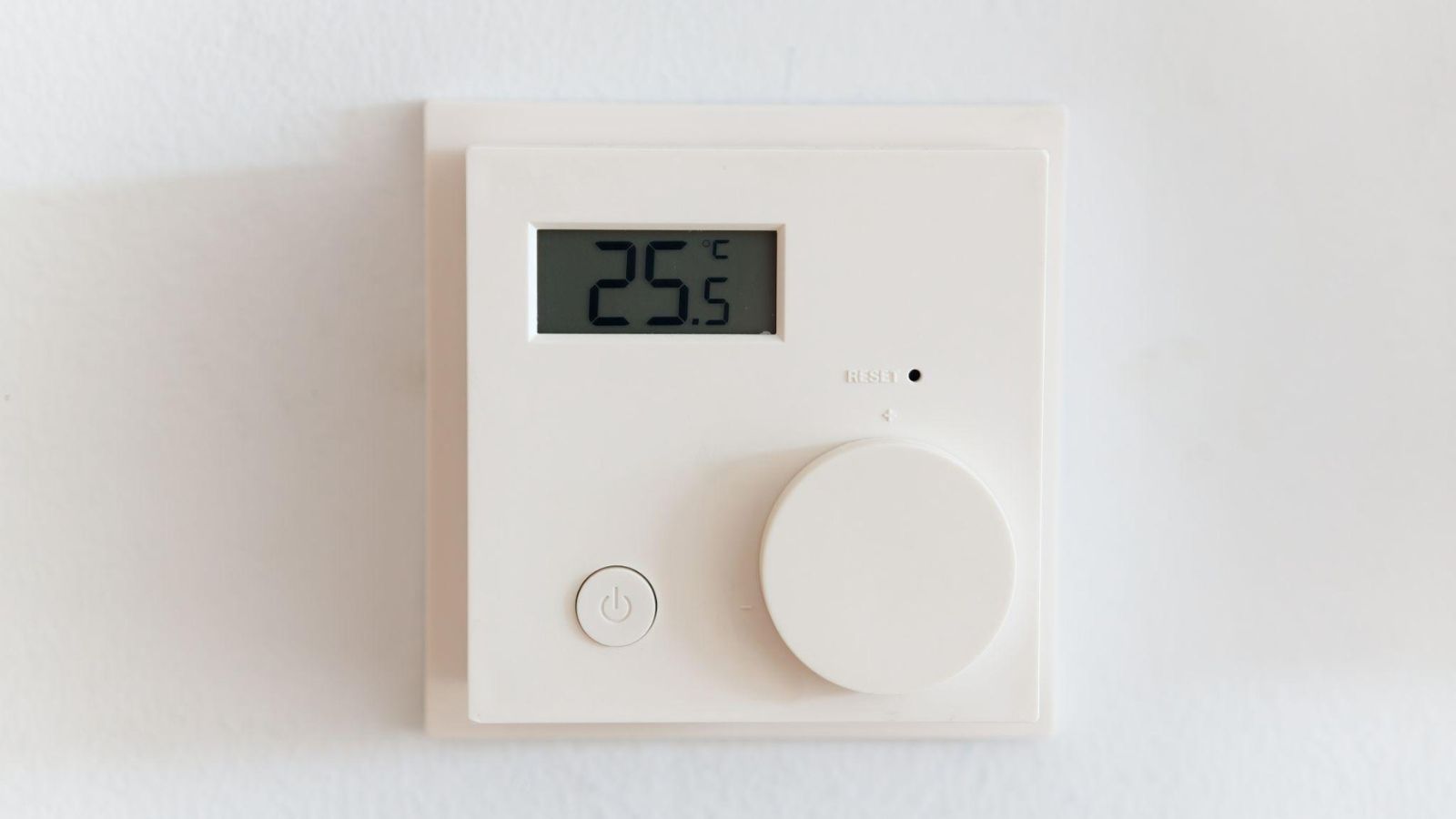

The cold is already pressing in much of Spain and revives the debate on How much does it cost to heat the house? The average expenditure per Spanish household is around €640 per year in heatinga figure that this winter weighs more due to the increase in energy prices. Several very common habits explain why the gas bill rises more than necessary.
Heat the home concentrates between 47% and 60% of domestic energy consumption during the cold months. Added to this is the increase in energy costs, so any carelessness in the use of electricity heating It is even more noticeable on the invoice. Let’s see the most common mistakes at home and how to correct them without spending more.
Turning up the heating thermostat does not heat the house faster
It is one of the most repeated failures: setting a higher temperature than you really need does not accelerate heating in many heating systems. heating conventional. The device continues on until it reaches the value you have set, so the higher you set it, the longer it works and more gas or electricity you consume to get there.
The difference is in setting from the beginning the temperature that you really want to maintain at home, instead of raising the thermostat thinking that the living room will heat up sooner. The result of going over the degrees is not a warmer home in less time, but rather a device running more than necessary and a larger bill at the end of the month. In conventional systems, raising the thermostat above the desired temperature does not increase the speed at which the room is heated, but rather the time the installation remains on.
Keeping the heating on all day increases gas consumption
Contrary to what many people believe, leaving the heating running it all day when the house is empty usually consumes more energy than turning it off when you leave and turning it on again when you return. It is one of the most widespread mistakes, because it seems more comfortable to leave it on “just in case” than to wait for the home to recover its temperature upon arrival.
Part of the heat generated by the device escapes outside without anyone taking advantage of it, so keeping it on in an empty house for hours is a unnecessary energy expenditure. Turn off the heating during prolonged absences and turning it on again when you return, adjusting the schedules to your daily routine, is usually more cost-effective than leaving it on continuously. However, in homes with certain air conditioning systems it may be more efficient to reduce the temperature than to turn it off completely. The key is that works only when it’s really necessary.
Ventilating too much also makes your heating bill more expensive.
Renewing the air in the home is necessary to maintain a good quality of the indoor environment, but leaving the windows open longer than necessary has a direct cost: the cold not only enters the room, it also cools the walls, floors and furniture. It is a healthy habit, but it is advisable limit ventilation to the time necessary.
As soon as you close the windows again, the heating It has to work harder to recover the temperature of the house, not just the air you breathe. The most reasonable thing is ventilate for a few minutespreferably with the windows open so that air renewal is facilitated, without letting the surfaces lose too much accumulated heat. Walls and furniture take longer to recover their temperature than the air in the room, so unnecessarily prolonging ventilation can also affect your gas bill.
Blocked radiators and poorly closed windows reduce heating efficiency
There are errors that do not have to do with the thermostat, but with the state of the installation. Place sofas, curtains or clothes hanging in front of the radiators hinders heat distribution and can force the system to run longer to heat the same room.
Failure to bleed radiators when they accumulate air or periodically check the installation can reduce their performance, as can windows that do not close properly, allowing in cold air currents constants. Added to this is another failure: treating all rooms equally, when not all of them need the same temperature. Adapt the heating each room allows consumption to be adjusted to the real needs of the home and avoid unnecessary expenses on the gas bill.


