


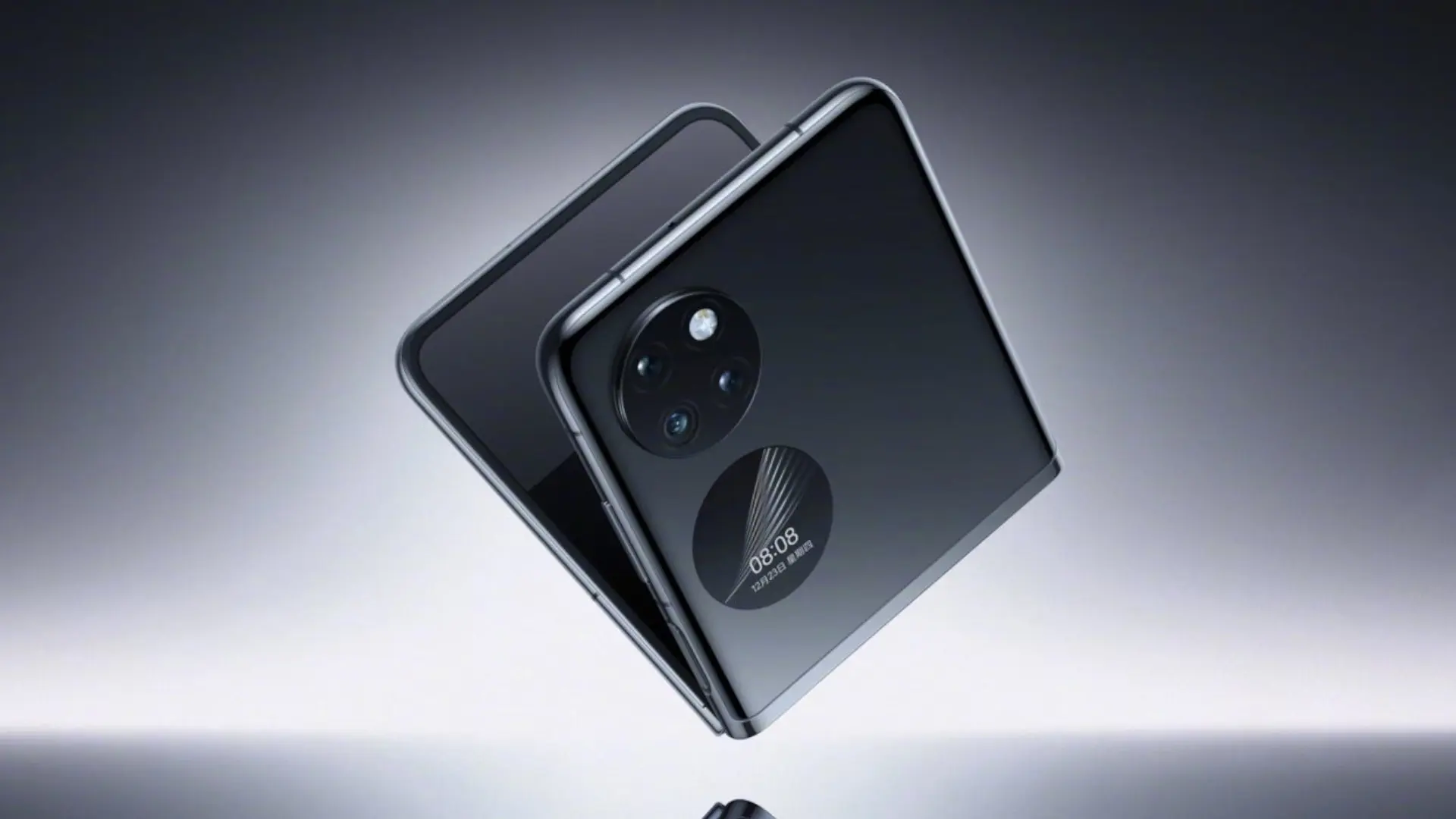

He folding market in China has had a very sweet quarter. The most recent data points to sustained growth and a clear winner: Huaweiwhich maintains a comfortable leadership and, in addition, widens the gap with respect to its rivals. While, Honor consolidates second position with very well-tuned releases for the local public. Folding products are no longer a whim: their adoption is clearly growing.
Beyond the main data, the important thing is that the segment continues accelerating in volume with models that increasingly feel more “mainstream” and less experimental. The brands are tightening their design, battery and hinges, and it shows. As a consequence, market shares are reconfigured.
A quarter of clear momentum in foldables
The third quarter of the year closes with shipments up in the Asian country: according to recent estimates, they reached 2.63 million unitswith a 17.8% year-on-year growthwhich confirms that the category has a long history and that the Chinese consumer already perceives it as a stable option. The reading is twofold: on the one hand, more folding ones are sold; On the other hand, these terminals go up a level in features and average price.
Behind this push there are three factors: broader catalog (book type and clamshell type), a better software experience designed for large screens and a leap in reliability of the hinges. The combination is working, and that is forcing the competition to accelerate their release cycles.
Huawei leads strongly: what has it done well?
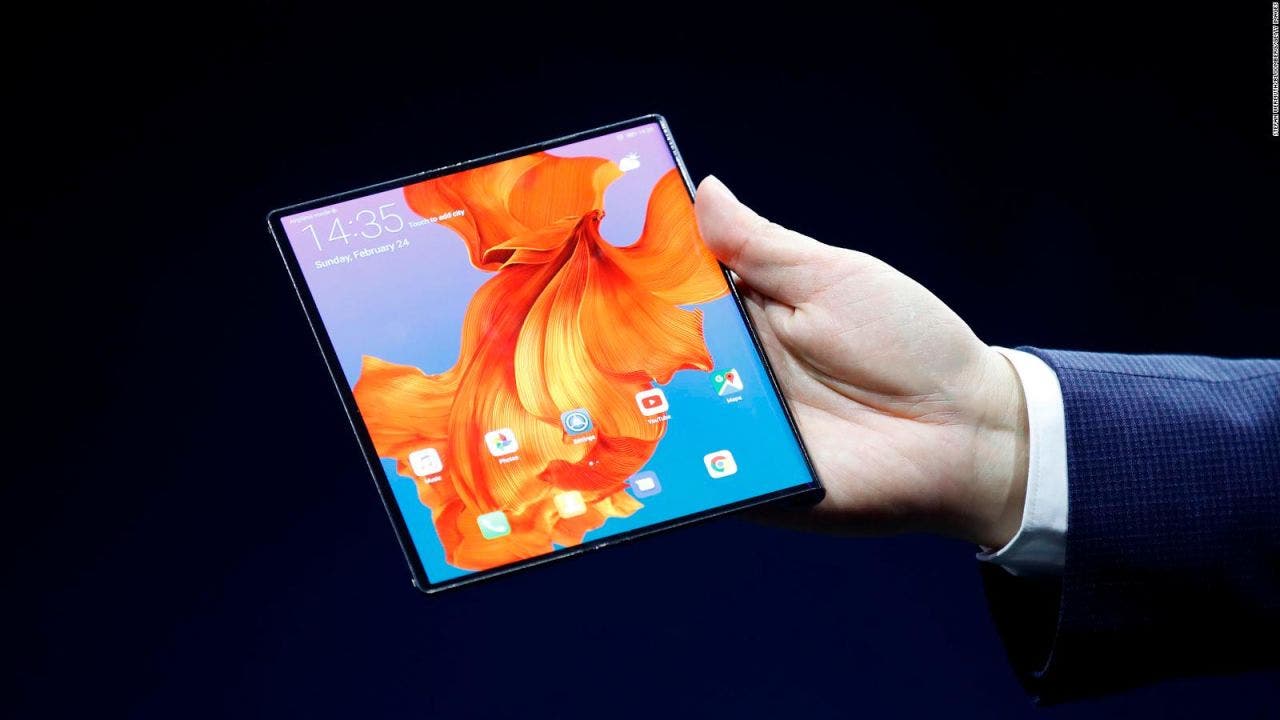
The role of Huawei It is no coincidence: in the quarter, the brand it touched 68.9% quota and clearly distances itself from the rest. The company has known chain launches with your own identity —including innovative formats— and has reinforced its offering in both book-type folding and compact ones. The maturity of its ecosystem and the polishing of its HarmonyOS (Huawei operating system)which increasingly takes advantage of the format.
In addition to the design and software, Huawei is highlighting the autonomy and photographic performance of these devices, two aspects that were previously weak points in previous generations. The result: rounder models for daily use, fewer concessions and a “top of the range” perception that the user values.
Honor resists and the rest presses
For its part, Honor keeps the pulse and establishes itself as second brand in folding in China, with a very aggressive strategy in thickness and weight, and with ultra-thin chassis models without giving up screens with a refresh rate or generous batteries. It's a recipe that works. The user appreciates that the foldable is compact and comfortable to use daily and that the autonomy is enough for day-to-day life without scares.
In parallel, other actors such as Alive and Xiaomi They push with increasingly competitive proposals in cameras and price, which predicts a busy end to the year. For the buyer, more variety and better value for money; For brands, more pressure to differentiate themselves with software and guarantee.
What this means for Android… and for Europe
If China sets the trend, everything indicates that we will see more foldable reach the West with thinner designs, better hinges and superior autonomy. At the same time, the race for big screen app optimization It will continue to be key for these phones to shine outside of Asia. In short: the format is becoming normalized and the brands that invest in real experience – not just in technical sheets – will be the ones that win.
Do you think that 2026 will be the year in which foldables become the “main” mobile phone for more users in Spain?