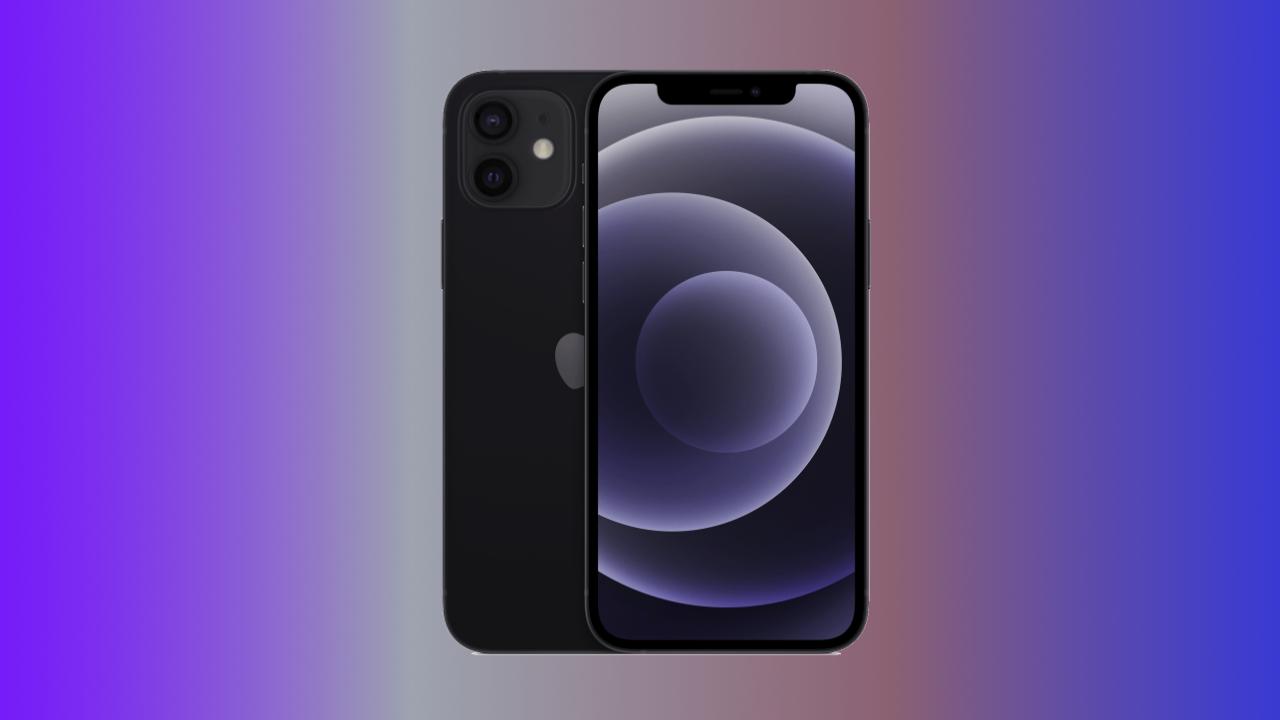
He iPhone 18 Pro Max of 1TBon the market since September 18hides a fact that interests you if you record video in ProRes or move heavy files: its internal memory can plummet the writing speed to levels close to a cheap microSD card. A laboratory analysis explains why.
The analysis of HOMOLAB to a unit of 1TB revealed QLC memory Kioxia BiCS8Qwhile the iPhone 18 Pro 512 GB mounts TLC NAND. The QLC saves four bits per cell compared to three for the TLC, which increases capacity but penalizes sustained writing.
This is how the speed drops when the SLC cache is exhausted
In the 4KB block random read test, the iPhone 18 Pro with TLC was a 11.4% faster than the Pro Max with QLC. In mixed read and write operations the advantage ranged between 12% and 38%and the gap widens in long sequential recordings, where the SLC dynamic cache comes into play, the true speed cushion of the system, which prevents the user from noticing the memory change in daily use.
While that cache has room, the iPhone 18 Pro Max writes to 3256MB/s. When full, the system goes into pTLC mode and the average speed drops to 578MB/s. If writing continues, the phone records directly to QLC: the average drops to 79.4MB/s and the minimum recorded was 25.6MB/svery far from the 3256 MB/s with which the test starts.
With the phone full, the speed drops even more
The busier the storage is, the less space is left for the fast cache. With the iPhone 18 Pro Max almost empty, the system reserves some 250 GB for dynamic cache; upon arriving at 60% of occupancy, that reservation falls to only 58GBa much narrower margin before hitting slow mode. It is the direct consequence of dividing the same memory chip between saved data and the speed cushion, a distribution that narrows the more content you store on the phone.
With less cache available, the average speed in pTLC mode drops from 578 to 396MB/sand direct writing in QLC is about 45MB/s on average. The minimum recorded in this scenario was 1.14MB/sa figure that could significantly lengthen any large copy if the phone already stores photos, videos and heavy applications.
Which tasks notice the problem and what memory Apple uses
None of this is noticeable when opening applications, taking single photos or browsing, because the fast cache absorbs those specific loads. The problem occurs when writing large volumes of data without pause: recording high bitrate ProRes video, copying large files, or restoring a full backup. If you shoot professional video with the iPhone, the speed above 3000 MB/s only lasts as long as the cache holds.
Apple it does not specify what type of NAND each configuration mounts. The information circulating about the market indicates that QLC and TLC chips may coexist in the 1 TB models depending on the unit. Therefore, these results correspond to a specific example analyzed by HOMOLAB and do not allow us to ensure that all 1 TB iPhone 18 Pro Max behave the same, although the exact distribution of memory in each 1 TB unit remains to be confirmed.
Price and technical data sheet of the iPhone 18 Pro Max
The iPhone 18 Pro Max arrived on September 18, 2026 with the chip A20 ProSuper Retina XDR OLED display 6.9 inches at 120 Hz and three 48 MP Fusion cameras with variable aperture in the main one. The price of the base 256 GB version is €1619with up to 45 hours of video with eSIM and 50% charge in about 15 minutes.
Paying the terabyte premium does not guarantee, for the moment, that QLC memory will be left out of the equation. The only certainty left by the HOMOLAB test is that the 512 GB model, with its TLC NAND, did not show this drop in speed in the most demanding continuous writing tasks, something to consider if the plan is to record video or move large files on a regular basis. Apple also does not detail whether it distributes the memory equally in each unit.
iPhone 18 Pro Max 1TB FAQ The unit tested by HOMOLAB uses QLC Kioxia BiCS8Q memory, while the 512GB iPhone 18 Pro uses faster TLC NAND.
No. In everyday tasks the SLC cache hides these limitations; This is only noticeable when continuously writing large volumes of data, such as recording to ProRes or restoring backups.
It is not confirmed. Apple does not reveal the type of NAND it installs, and the information circulating about the market suggests that QLC and TLC chips could coexist in the 1 TB models.
What memory does the reviewed iPhone 18 Pro Max 1TB use?
Does this speed drop affect daily use of the iPhone?
Do all 1TB iPhone 18 Pro Max have QLC memory?