



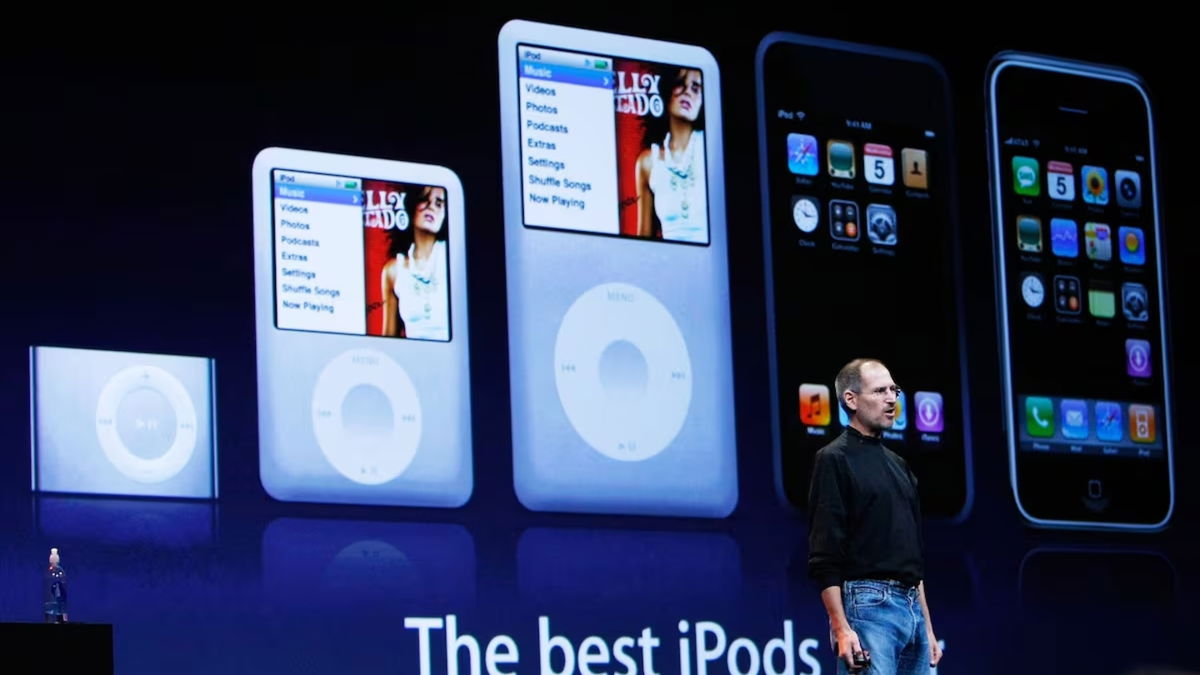

One of the most important chapters in Apple’s history concluded three years ago with the discreet goodbye of the iPod touch, the last product in a significant line that reinvented the way we listen to music and lasted for more than 20 years. The idea was simple but modern: carrying a thousand songs in your pocket in a more compact product. It was so significant that the Cupertino company launched several versions of the iPod touch, from the smallest to the largest. In this article, we remember the most important moments of a product that continues to reinvent itself, but through different hands.
The iPod was the new product line that catapulted Apple to the next level.
Beyond what the Mac represented with the launch of the iMac in 1998, the iPod was undoubtedly part of Apple’s modern history and helped it transcend all types of borders. It didn’t matter if the consumer didn’t have the means to buy it, since many users bought it secondhand over so many generations, just as there were others who bought it every time a new generation came out.
Steve Jobs, in his 2001 iPod launch speech, stated that at Apple, “we love music and it’s always good to do something you love,e” emphasizing that music is an important part of everyone’s lives. The first iPod ever released had 5 GB of storage and sold for $399, which at the time was the price of an iPhone SE in the United States or an eighth or ninth generation iPad. The navigation wheel did not exist until the iPod 3, which expanded in storage configurations from 10 and 15 GB to 20, 30, and 40 GB for a price of $299.
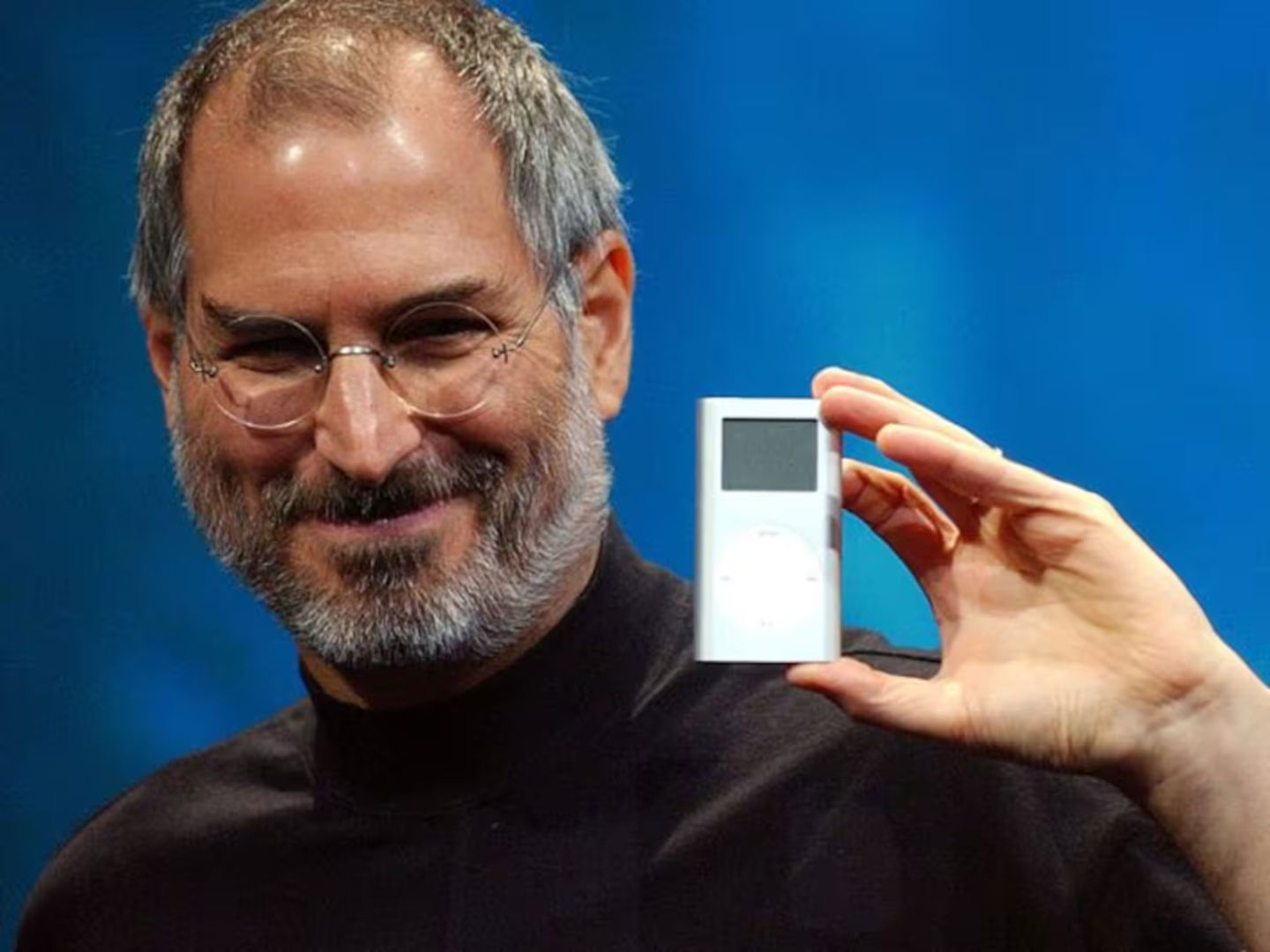
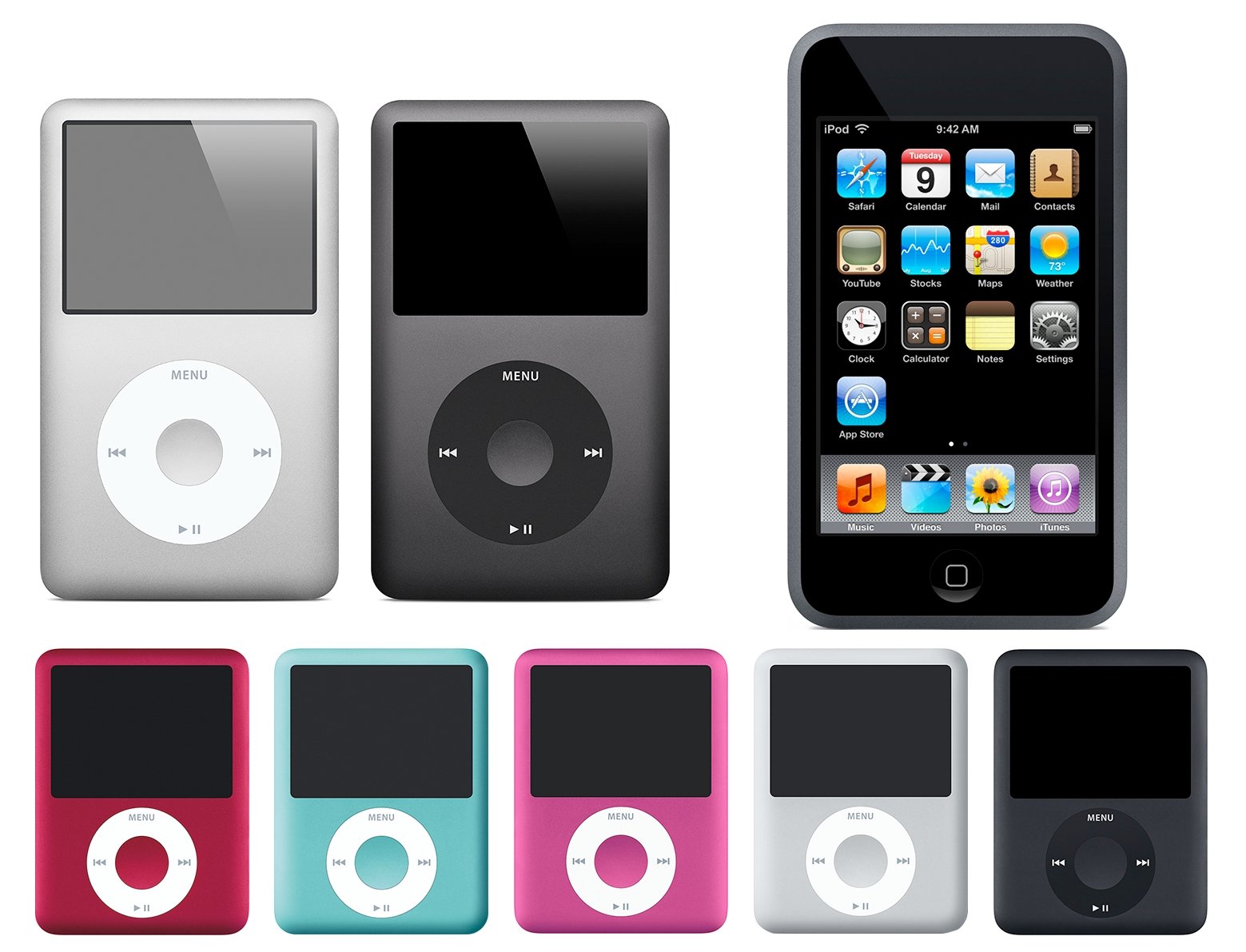
The period between 2004 and 2007 is considered one of the iPod’s best years due to the sheer number of releases and variations it underwent. From abandoning black and white to launching a color screen, having more than one iPod model, and the arrival of the first iPod touch, Apple offered its users an incredible range of products.
Since 2008, Apple has only relaunched the iPod nano and continued with the second-generation iPod touch. The iconic iPod classics were discontinued to make way for newer generations of iPods, which were later discontinued as well. In 2012, only the iPod touch and iPod nano were updated, with a touch version, which had first arrived in 2010 but was the size of an iPod shuffle. It was in 2019 when Apple decided to launch the seventh-generation iPod touch, although it was not known that it would be the last in the iPod range.
“While supplies last,” the decision that marked the end
Apple knew it was taking a different approach with Apple Music and other products like the iPhone, iPad, Mac, and Apple Watch. Interestingly, Apple launched two similar products at the same time as part of its commitment to product diversity. The iPhone and iPod touch coexisted for many years with one simple difference: they didn’t have cellular service and the capabilities of a cell phone. It was always said that the iPhone consumed the iPod touch, but the reality is that without the iPod, the iPhone likely wouldn’t have existed in Steve Jobs’s mind.
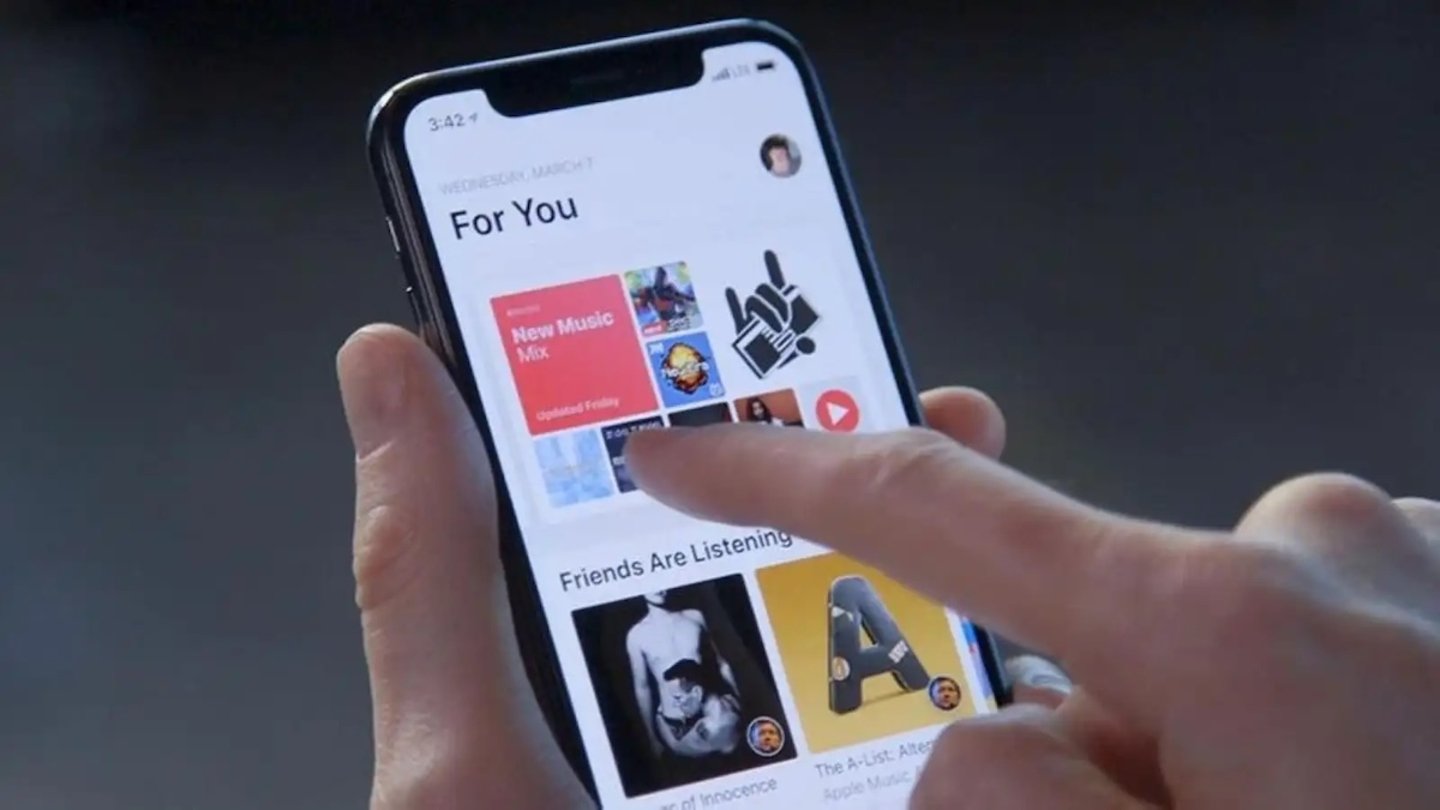
Before streaming came into its own, the iPod was a fundamental part of music consumption in the new millennium. It proved we could have an entire musical universe in the palm of our hand, and in different sizes. A legacy that lives on in the brand’s current ecosystem, according to Greg Joswiak, Apple’s SVP of Worldwide Marketing. The iPhone is the original device for streaming music. The Apple Watch, along with AirPods, allows you to have a good part of your library on your wrist, and other products like the iPad, Mac, and HomePod mini come together to offer a comprehensive audio experience.
Many users who were part of this 20-year history surely have fond memories of this product. Some lucky ones may still have their old iPods, while others are trying to buy some that are still around on secondhand markets. What is your fondest memory of Apple’s iPod?