


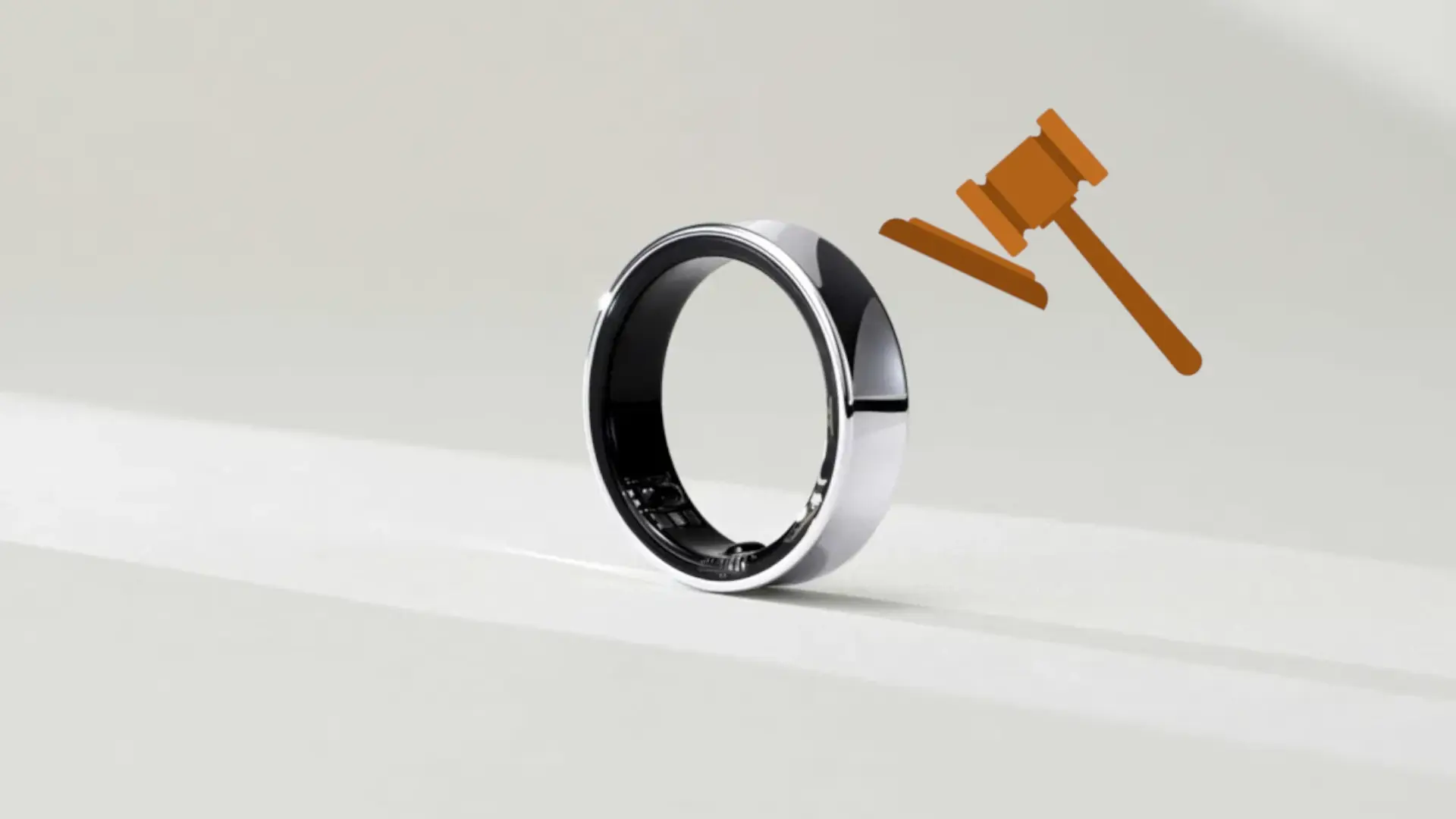

Oura, the manufacturer of the well-known smart ring Oura Ringhas decided to hit the table against Samsung. The Finnish company has filed a complaint with the United States International Trade Commission (ITC) in which it accuses the Samsung Galaxy Ring of infringing several of its key patents and requests that its import and sale in the North American country be prohibited.
The lawsuit is not limited to Samsung: Also includes Reebok, Zepp Health (Amazfit), and Nexxbase (Noise), all smart ring makers. At the center of the conflict are patents related to the ring design, internal arrangement of sensors and manufacturing methodswhich form the basis of the design of modern smart rings. At the moment, the movement does not affect sales in Europe, but the crash marks a before and after for this new segment of devices.
Oura takes its patent war to the Galaxy Ring
In your official statementOura assures that the rings from Samsung and company copy technologies that it has been developing since 2013, when it began to bet heavily on health and sleep monitoring from the finger. According to the firm, the patents involved cover the ring format, the placement of plates, batteries and sensors between the internal and external layers, as well as certain assembly processes that allow everything to fit into such a small and resistant body.
The path chosen is not accidental: the ITC can order the ban on importing products that infringe patents, an especially effective tool in the case of devices manufactured outside the United States, such as the Galaxy Ring. Oura has already used this route successfully against other rivals, which has allowed it to force licensing agreements or directly remove competitors from the US market, so this is not a simple slap on the wrist.
Oura also remembers that it has closed licensing agreements with brands such as Circular, OMATE or RingConn, which can now continue selling their rings in exchange for paying royalties. The message to Samsung and others is clear: either agree to pay for a license or face protracted litigation. Even so, there is no need to rule out that everything ends in a silent settlementbecause no one is interested in any of these rings suddenly disappearing.
Samsung tried to anticipate the legal conflict, without success
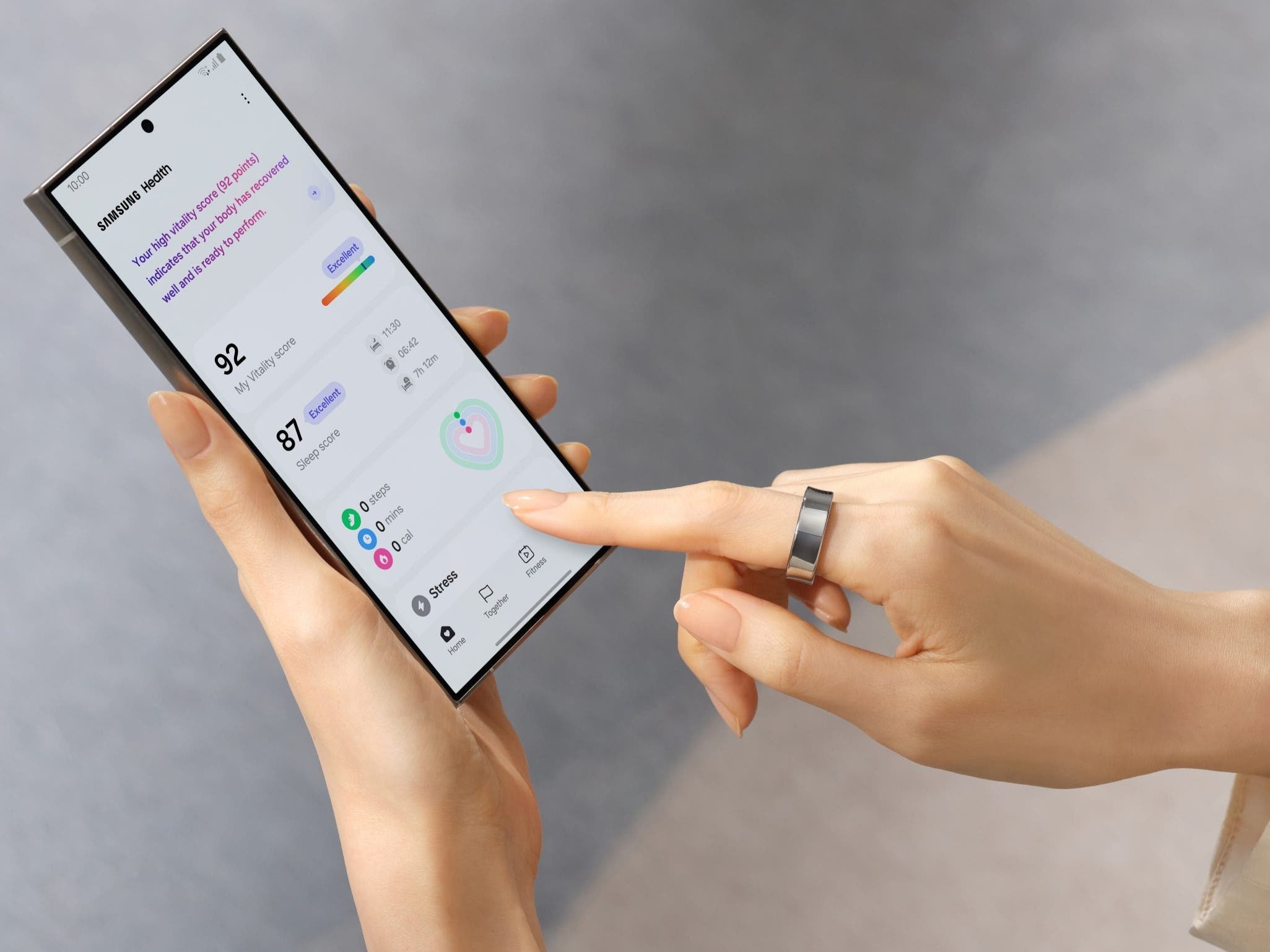
The curious thing about this story is that Samsung saw the problem coming a long time ago. In 2024, before even launching the Galaxy Ring on the market, the South Korean company filed a preventive lawsuit in the United States so that the courts declared that his ring did not infringe Oura patents. The case was dismissed because the judge considered that Oura had not directly threatened Samsung, so the attempt was unsuccessful.
Months later, the scenario has turned: now it is Oura who addresses the US authorities, pointing directly to the Galaxy Ring and other rival rings. In addition to the complaint before the ITC, the company is moving files in Texas courtsa territory known to be favorable to patent holders. This scenario is especially relevant for Android users interested in these rings, although concerned about the possible legal implications, because this is a complex legal issue.
In parallel, Oura insists that its objective is not to stop competition, but to force everyone who uses its technology to pay a reasonable license. If Samsung accepts that path, the Galaxy Ring could continue to be sold normally, although with an extra cost that sooner or later could rbe reflected in the final price. If there is no agreement, the battle could last for years and end up redefining what can be considered basic in the design of a smart ring.
What can happen now with the Galaxy Ring and the rest of the smart rings?
In the short term, nothing changes for users: the Galaxy Ring and the rest of the rings indicated will continue to be sold while the ITC studies the casea process that usually lasts many months. Only if Oura achieves a clear victory could an exclusion order come that blocks the entry of these products into the United States, forcing manufacturers to redesign their rings or agree to licenses to re-market them.
In the medium term, the effect may go beyond Samsung. If regulators agree with Oura and consider that aspects such as the shape of the ring or the position of the sensors are sufficiently protected by patents, other manufacturers working on future smart rings could find themselves with a problem. important legal wall. And if, on the contrary, the scope of these patents is limited, we will see a more open market, with more brands entering without so much fear of lawsuits.
For Android users, the background is clear: litigation can determine Yes there will be greater variety and more competitive prices in smart rings, or if, on the contrary, the category remains dominated by a few actors with a lot of negotiating power. Which side are you on in this story? Do you think Oura is defending its innovation, or do you think it's trying to close the game too much against the Galaxy Ring and its rivals?


