




Samsung would be preparing an important leap in durability in your folding mobiles thanks to screen technology self-healing capable of detecting and reinforcing microcracks before they propagate. The idea is not new in theory, but it is now taking shape with a system of sensors and microwires around the panel cutouts (camera, fingerprint reader, etc.) that acts as an internal protective network for the ultra-thin glass.
Beyond the eye-catching headline, what is relevant is how this fits into the roadmap of the Galaxy Z Fold and Galaxy Z Flip. Today, Samsung maintains the fingerprint reader on the side due to the weakness generated by the cuts and flexible layers. If the screen is capable of detect stresses and seal microcracks in real time, the door opens to integrate the fingerprint reader under the screen and to reduce one of the fragile points that most worry those who hesitate to make the jump to a folding one.
How the self-healing screen works
The approach described in the patent surrounds critical areas with a detection loop formed by microwires that monitor the status of the panel. When they detect microscopic damage or abnormal voltage, they activate some simulated metallic patterns that reinforce the affected sections and prevent the problem from spreading through the layers of the OLED. Furthermore, the design contemplates grooves and seals special ones that block the entry of oxygen and humidity, two direct enemies of the folding panel.
It is not about magic or “closing” a visible crack as if by magic, but about mitigate damage in its earliest phase. In practice, that means fewer marks over time, less risk of growing lines around the internal camera, and greater confidence in using gestures or pressing the panel without fear of weakening it.
What would change in the Galaxy Z if it reaches production
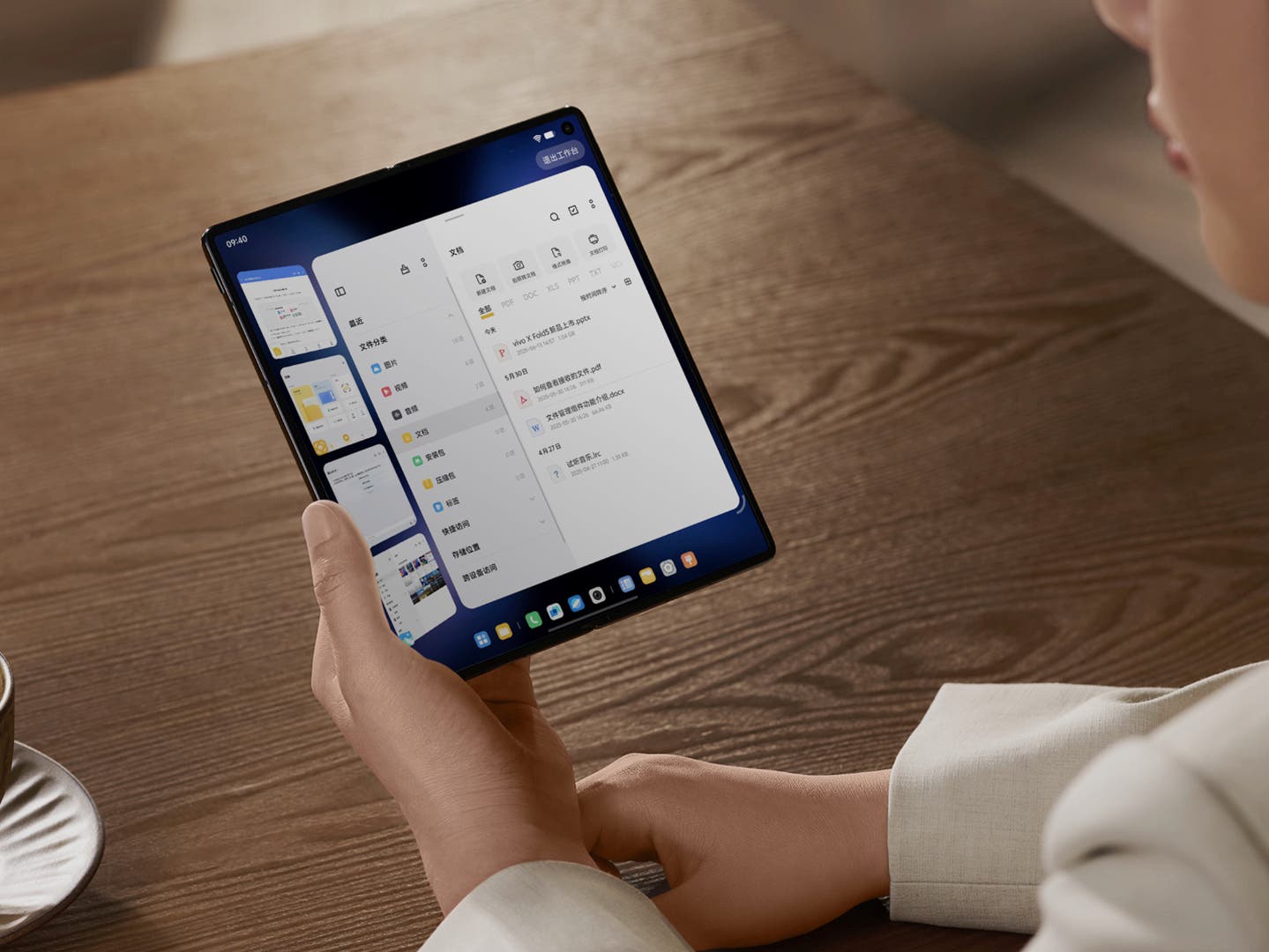
If this technology crystallizes into a product, the most interesting consequence would be allow sensors to be integrated under the screen in the flexible part (camera and, especially, the fingerprint reader). It would also help homogenize wear around the hinge and the cutouts, areas where microdamages appear today that lead to failures over time. Furthermore, experience could gain in humidity resistance and in the consistency of touch by reducing microscopic irregularities.
Now, we are talking about a patent: There are no guarantees that we will see it in the next generation or that it will arrive as described. Implementing it requires adequate materials, processes and costs for its technical feasibility. Still, it fits with Samsung's previous steps in flexible panels and with its goal of normalize the folding as main mobile.
When could we see it on a mobile?
There are no confirmed dates. It is reasonable to think of a gradual adoption: first in prototypes and, if the results are good, in a future iteration of the Galaxy Z. Meanwhile, it serves as a message: durability remains at the center of the development of folding. If Samsung manages to make the panel itself “defends” itself of microdamage, the leap in user confidence can be as important as a new chip or a higher capacity battery. This also opens the opportunity to finally disappear the fold marks that are even visible even on the Z Fold7 and Flip7.