


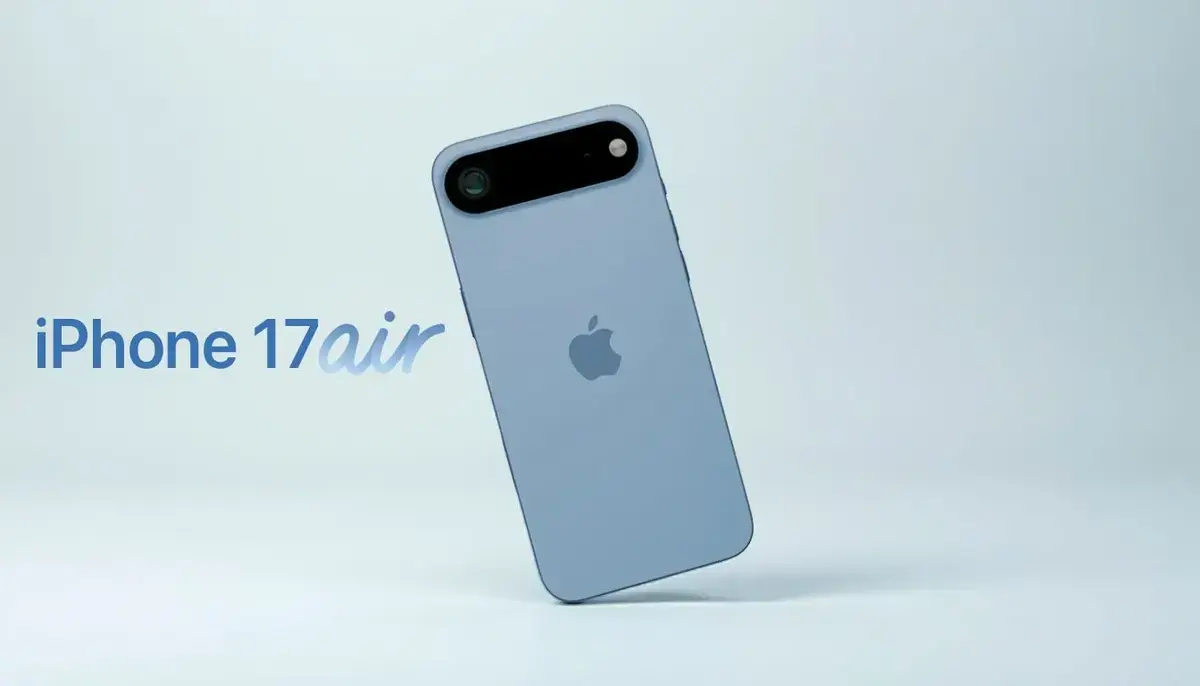

A new report indicates that Apple would have found the piece that was missing to make a Extremely thin iPhone 17 Air Without sacrificing power: technology “Copper post” of lg innotek. This packaging solution would save space in the plate and improve the dissipation, something key if, as rumored, the air goes down until 5.5 mm thick And rid a A19 PRO. The play comes a few days after the event of the September 9where we will know the iPhone 17 family.
Beyond the headline, the filtration leaves two interesting ideas: on the one hand, Apple would trust Ltpo Oled panels supplied by Samsung Display and LG Display. The objective is clear: Put high -end hardware in a minimum chassiswith less thermal strangulation and more internal margin for drums and cameras.
What is the “copper post” and why it matters
Instead of traditional welding spheres to unite the chip with the substrate, LG INNOTEK replaces those “balls” with small copper pillars crowned with a welding microsphere. This change, apparently lower, reduces the size of the substrate up to 20 % and improves the mechanical and thermal stability of the set. To practice: more density and better heat evacuation In the same space, just what an ultradelgated phone needs that wants to perform as a range of range.
If the iPhone 17 air releases this large -scale technique, it would have more room to maintain sustained high frequencies In the A19 PRO, reduce the risk of Throttling (thermal strangulation) And, incidentally, release millimeters for a somewhat greater battery than expected in such a fine body. It is not a steam chamber or a layer of “miraculous” graphite: it is miniaturization of the packaging at the design service. And open the door to future formats, such as more thin folding iPhone and manageable.
This would face Samsung Galaxy S25 Edge
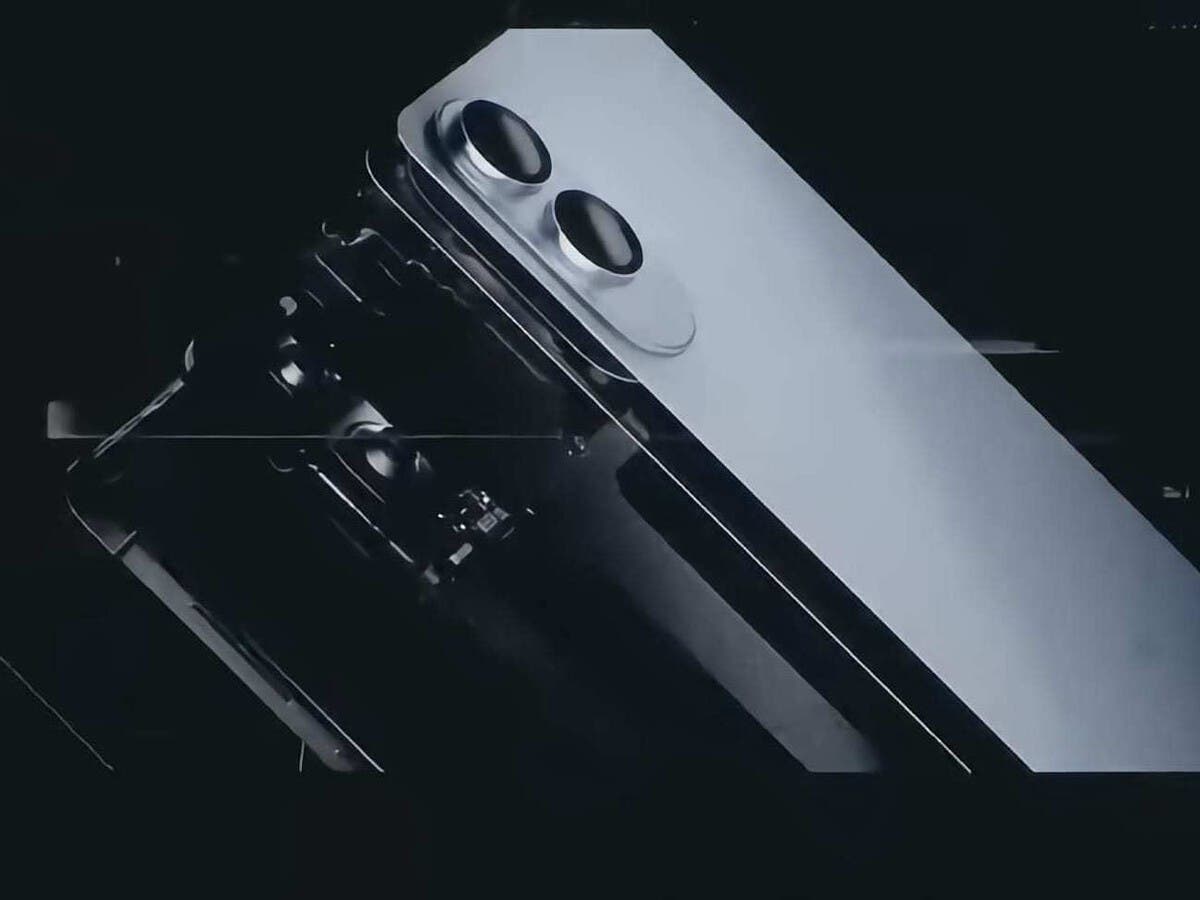
While Apple prepares its movement, Samsung already has a 5.8 mm and 163 g flagship on the street: he Galaxy S25 Edge. It is a telephone that has made the stylized profile its presentation letter without giving up the basics of a high -end mobile: Dynamic Amoled 2x 6.7 inches (1–120 Hz), Titanium frame, Gorilla Glass Ceramic 2and a photographic block with A main camera of 200 megapixels accompanied by An ultra wide angle chamber of 12 megapixels. Inside, the Snapdragon 8 Elite for Galaxy It relies on 12 GB of RAM and even 512 GB Storage
The challenge of such a thin mobile is always the same: autonomy and thermal control. Here Samsung resorts to a larger steam chamber and a new thermal material (Tim) To help the SOC, and combine the whole with a 3900 mAh battery and load of 25 w (further 15 W wireless). The proposal is clear: very fine design with “classic” cooling measuresin front of Apple's bet by Miniaturize the substrate to gain space and dissipation from the base of the chip.
This involves a most interesting contest, where technology and career for being the thinnest look face to face. In this case, Apple's alternative Green to overcome the Galaxy S25 edge of Samsungwhat would, of course, a blow on the table.
A point that fills us with uncertainty is the energy issue in the iPhone 17 Air, since, having such a narrow space, we will see to what extent those of Cupertino have had to make sacrifices. At this point we know that 3900 mAh of the galaxy are really insufficient, so, Without a doubt, all this creates expectation.
Two paths for the same objective: performance in fine bodies
If the details are confirmed, Apple and Samsung converge in the same promise: lighter and thinner mobiles without giving up performance. The Apple route puts the focus on the Silicon packaging to gain space and dissipate better from the origin; the Samsung route Combine a thin design with Steam chamber cooling and material adjustments. Which one works best in practice? We will know when the iPhone 17 Air is official and we can Test them face to face.
Does this race convince you for the millimeter? Would you prefer More battery Although the mobile is somewhat thicker or the lightness From iPhone 17 Air and Galaxy S25 EDGE?