


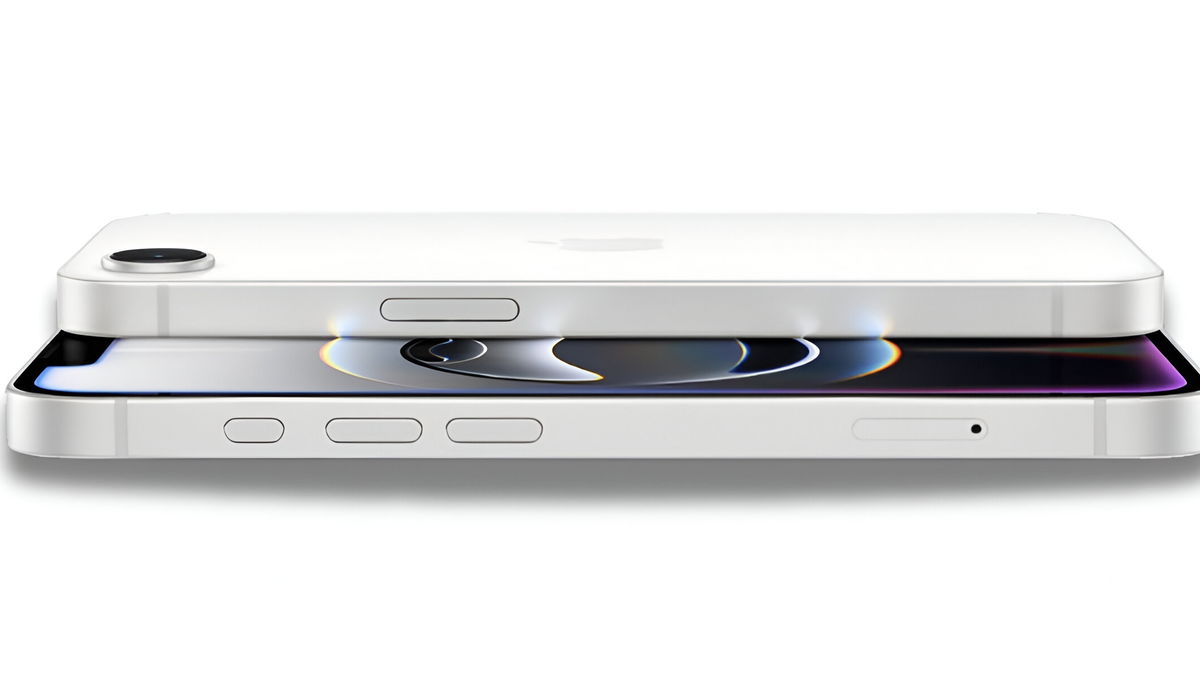

After the launch of the iPhone 16e, it wasn’t clear how often Apple would update it, but it was taken for granted that it was here to stay. Since then, several consistent reports from some of the company’s most reliable leakers and analysts have ventured a possible date for the iPhone 17e. Now, new information claims that the roadmap for the launch of the iPhone “e” range in the coming years is now known.
Apple secures a new “iPhone e” until 2027
This time, it was Ming-Chi Kuo who reiterated that Apple will implement an annual strategy for updating its most affordable iPhone. He revealed a release schedule that extends until 2027 and introduces the intriguing “e” designation. According to Kuo, Apple’s current planning would break down as follows:
- Second half of 2025: iPhone 17 Pro Max, iPhone 17 Pro, iPhone 17 Slim, iPhone 17
- First half of 2026: iPhone 17e
- Second half of 2026: Foldable iPhone, iPhone 18 Pro Max, iPhone 18 Pro, iPhone 18 Slim
- First half of 2027: iPhone 18, iPhone 18e
- Second half of 2027: Foldable iPhone 2 (already released), iPhone 19 Pro Max, iPhone 19 Pro, iPhone 19 Slim (with a larger screen compared to the 18 Slim)
This scheme reveals Apple’s clear intention to break away from its traditional single launch in the second half of the year. The inclusion of the iPhone 17e in the first half of 2026 and, subsequently, an iPhone 18e in the first half of 2027 suggests that this strategy of offering a more affordable option within the range will be consolidated in the near future.
Kuo points to two main factors driving this strategic shift. First, competitive pressure. Chinese manufacturers such as Xiaomi, Huawei, OPPO, and Vivo have been gaining ground in the market, especially in China, with competitive flagship devices typically launched in the first half of the year.
Huawei’s resurgence in the premium segment has posed a particular challenge to Apple’s position, creating a marketing gap that the Cupertino company is now looking to close with these launches in the first half of the year.
On the other hand, by dividing its releases, Apple seeks to maintain a constant flow of new releases and give each product line the necessary prominence at different times of the year.
This shift to a split-cycle roadmap would be the first time Apple has deliberately separated the releases of its flagship iPhone line since establishing its fall release pattern with the iPhone 4S in 2011.
The arrival of the “iPhone e” and the possible new release schedule mark a significant evolution in Apple’s strategy, seeking to adapt to an increasingly competitive global market and an ever-expanding product range. The future of the iPhone, with its “e” variants and semi-annual releases, appears to be here to stay.