



Xiaomi has optimistically presented the results for the third quarter of 2025: revenue increases by 22.3% year-on-year, up to 113.1 billion yuan (about 13.7 billion euros), and adjusted net profit grows by around 81%. Much of this push comes from two very clear fronts: the good results of the Xiaomi 17 in the mobile business and the growth of the electric car division.
According to data published by the company itself, Xiaomi reaches 43.3 million smartphones shipped In the quarter, it chained nine periods of growth and remained the third largest manufacturer in the world, with a 13.6% share. Within that volume, the new Xiaomi 17 family represents more than 80% of sales and exceeds the premiere of the Xiaomi 15 series by almost 30%, a clear sign that the commitment to the high-end is paying off.
The Xiaomi 17 takes over from the 15 series
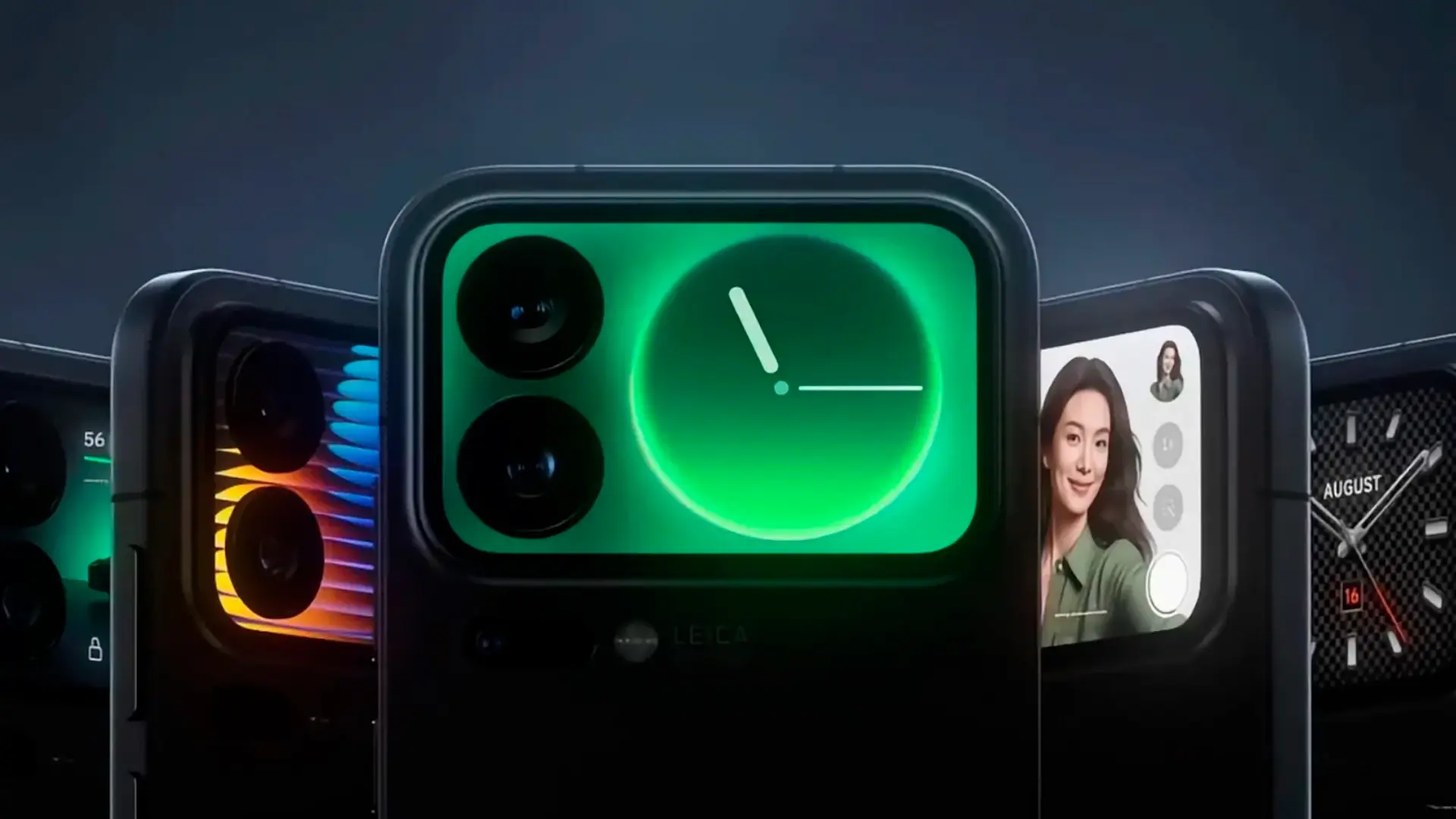
The series Xiaomi 17 It arrives with the entire arsenal to compete with the iPhone 17 and the current Galaxy: very high brightness LTPO screens, batteries of up to 7000 mAh, 50 megapixel Leica cameras and HyperOS 3 based on Android 16. Beyond the technical sheet, what is relevant here is that Xiaomi has managed to make the Xiaomi 17 Pro Max lead the segment above 6,000 yuan in China, a segment where before there seemed to be a ceiling that Xiaomi is now beginning to overcome.
In parallel, the brand has decided to skip the number 16 to align its numbering with that of Apple, a gesture that may seem anecdotal, but which responds to its strategy of increasing the average price of its catalog. It is already the second manufacturer in Europe by volume and the first in Southeast Asia, so if it manages to make a greater part of those sales be high-end, the panorama to medium term could change significantly. In short, Xiaomi not only sells a lot, but also improves the profitability and positioning of its products.
The electric car division becomes profitable

The other big headline of the quarter is on four wheels. The automotive and innovation business unit (electric cars and AI projects) invoices close to 29 billion yuanalmost triple that of a year ago, and for the first time achieved a positive operating profit of around 700 million yuan, just over 85 million euros at the exchange rate. Xiaomi has delivered around 108,000 vehicles in the quarter, between the SU7 and the new YU7, a notable figure for a newcomer brand in a sector as demanding as the automobile.
For the mobile business, this is not just a financial curiosity. That the electric car division is profitable so soon means that Xiaomi has more room to continue investing in cameras, screens and software without compressing margins so much. Furthermore, the integration of the car with the mobile and tablet ecosystem —HyperOS, shared apps, remote control functions— reinforces the feeling that buying a Xiaomi smartphone is entering a fairly complete ecosystem, even if here, in Spain, we cannot yet buy any of those cars.
Key data from Xiaomi's Q3 2025
- Total revenue: 113.1 billion yuan (about 13.7 billion euros), +22.3% year-on-year.
- Adjusted net profit: 11.3 billion yuan (approximately €1.37 billion), +80.9% year-on-year.
- Smartphone shipments: 43.3 million units, +0.5% year-on-year; global share of 13.6% and third position in the world.
- Xiaomi 17 series: accounts for more than 80% of smartphone sales for the quarter and accounts for around 30% more units than at the start of the Xiaomi 15 series.
- Electric car and AI unit: about 29 billion yuan of revenue, with 700 million yuan of operating profit and about 108,800 vehicles delivered.
What does this Q3 mean for Xiaomi and Android phones
With these numbers, Xiaomi confirms that its move towards the premium segment was not a passing experiment. If the bulk of the sales are already coming from series 17 and the car and AI business is beginning to bring benefits, the brand has more incentives to differentiate its mobile phones by the experience they offer than by the price. We will see more exclusive HyperOS features, more powerful cameras and there is likely to be greater separation between the Redmi range and the numbered Xiaomis.
On the less positive side, the company itself warns that the cost of memory is rising and that this can translate into most expensive cell phones in the coming months, even if the global market remains fairly flat. For those of us who use Android daily, it is a scenario with fewer cheap “giant-killing” phones and more terminals that want to fight head-to-head with iPhones and Galaxy phones. Are you convinced by this new Xiaomi more focused on the high-end or do you still prefer the brand that swept very cheap phones?