


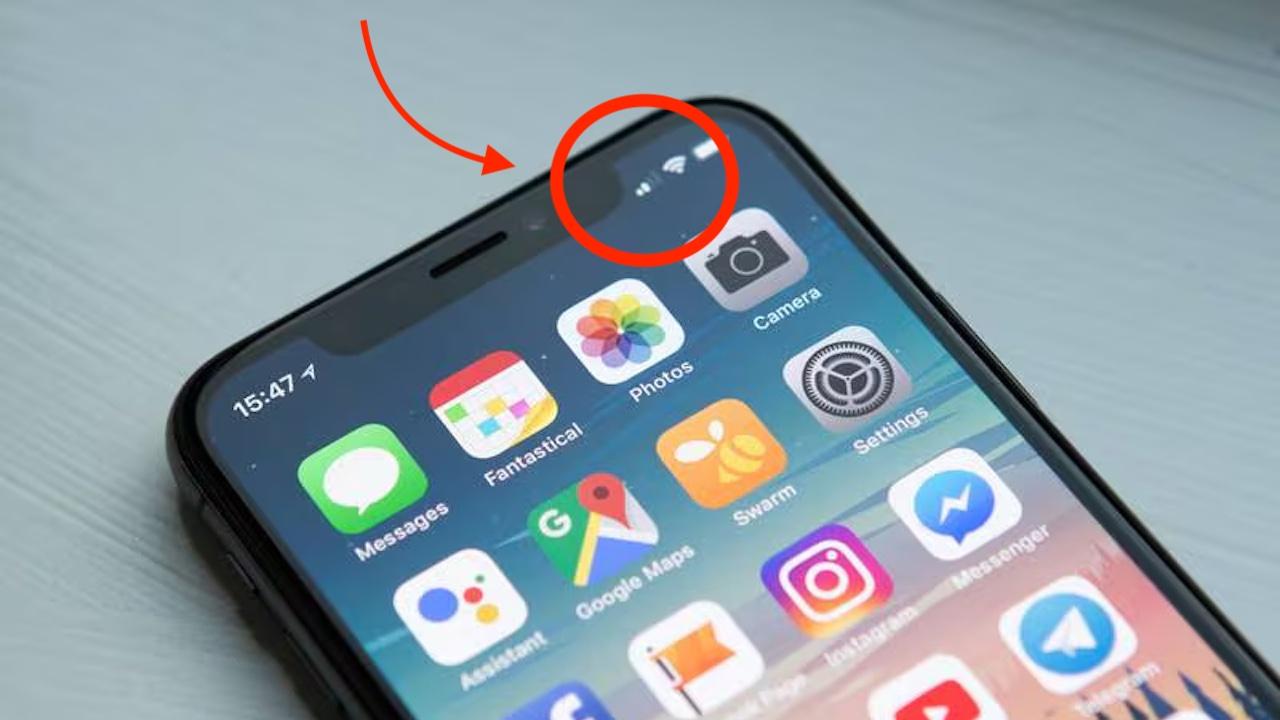

As we know, Apple is one of the first companies to incorporate this type of technology into its phones. We saw it with the recent Wi-Fi 6, and previously with the arrival of 5G, so we could also start thinking about the next generation.
And although 6G will not arrive soon, it is true that the useful life of the iPhone is very long, and surely many people today use an iPhone 11 or iPhone 12, which have already turned quite a few years old, so Apple could consider not taking long to implement this, thinking that future customers who use older phones will also enjoy it when this technology is launched.
What is 6G and when will it arrive?
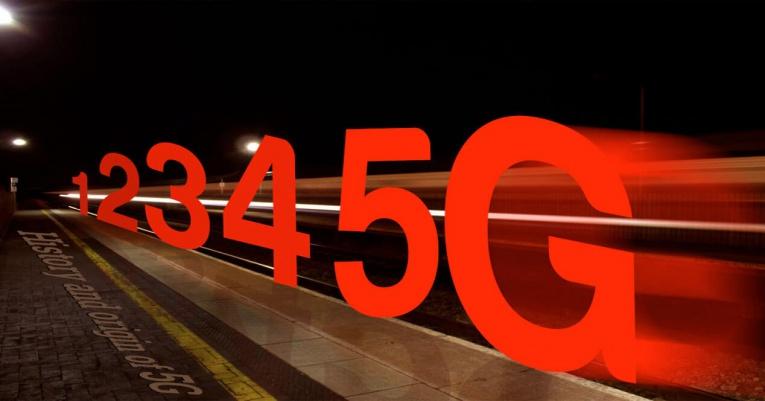
6G is the next big evolution after 5G, and while it’s still in its early stages of development, it promises to bring impressive advancements. It’s expected to be much faster than 5G, with data speeds up to 100 times faster. This would open the door to things like near-instant downloads of 3D content, much more advanced augmented and virtual reality, and, overall, a smoother and faster experience for everything we use on our devices.
Furthermore, it will also be used in medical cases, since even today there are very successful tests where a surgeon is able to operate remotely, only using this type of networks with such low latency that it is as if they were working in real time, something that will also help gamers, as it will in turn reduce the delay that occurs in an online game between two people, among many other things.
It’s also expected to be able to connect a massive number of devices, essential for the rapidly expanding Internet of Things (IoT). Imagine smart cities with thousands of sensors and devices seamlessly connected to the network, as well as self-driving cars, reducing risks in the transportation of dangerous goods, for example.
These types of networks are expected to be deployed in 2030, so we would still have 5 years to go before we see 6G in action, which makes us think that the first phones with this technology would arrive with the release of the iPhone 20 or higher, and that it is still too early to foresee a model that incorporates the antenna and networks necessary for its use, despite Apple wanting to be fast.
This will also eliminate networks like 3G, which we’re already seeing are nonexistent in many parts of Spain. So if you have a device that only supports this network, even though 6G isn’t yet available, you could still be left without coverage.
And you, do you think faster speeds are necessary for iPhones, or will 6G only be profitable in medicine, autonomous driving, and other uses we’ve mentioned, where latency is more important than speed? Leave us a comment with your opinion on this, and whether this feature would make you choose one iPhone model over another.