


Steve Jobs, from wherever he is, might be proud of the following. He was a visionary in every product that was born under his leadership. He revolutionized every aspect of his company, both before and after leaving it for a period of time. His latest vision gave him the opportunity to revolutionize the mobile phone as we know it today. The iPhone has become a mature product that perhaps needs another type of revolution; the most valuable thing is that it doesn’t require an update in the short term. The AI and other technological advances seen at WWDC 2025 might lead us to believe that those from Cupertino will cause an avalanche of iPhone updates and changes, but on the contrary, there is another phenomenon by which users change their iPhones.
Upgrading to a new iPhone because of its new features is becoming increasingly obsolete, while another trend flourishes.
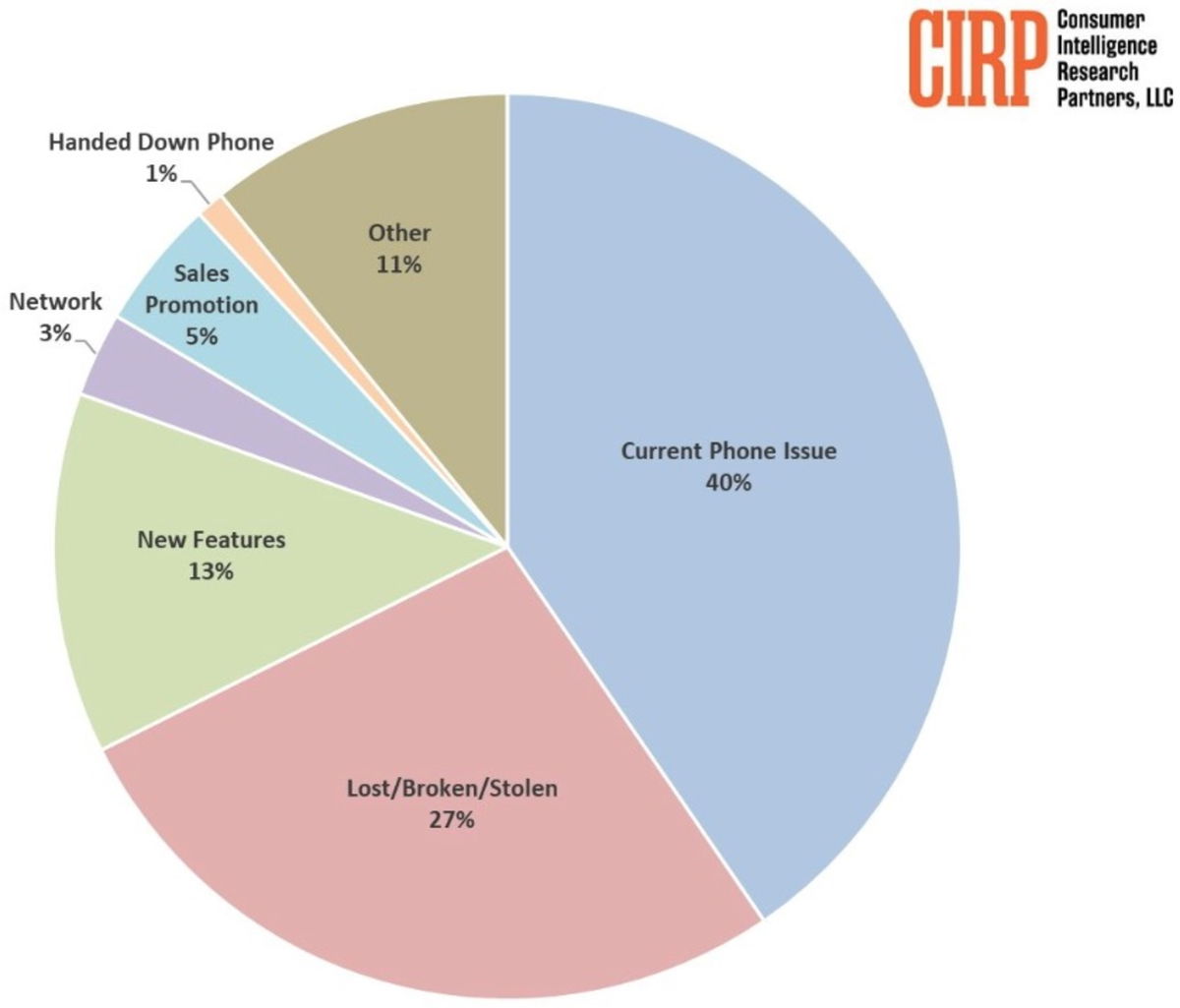
CIRP’s latest data on iPhone purchases has shown an astonishing picture of why users upgrade their iPhones. Most of them aren’t upgrading because of AI or new features, but because of hardware failures or some kind of malfunction or deterioration over time.
67% of registered users in their report indicate this. Of that percentage, 40% have replaced it due to “slower performance, battery issues, or screen damage .” Another 27% have done so because they lost their iPhone, it was stolen, or it stopped working. The percentage of users who have upgraded their iPhone due to improved camera, display, or performance features barely reaches 13%, and less than 10% attribute this to changing carriers, taking advantage of a promotion, or having given it to someone else.
AI isn’t getting iPhone users to buy a new one.
At CIRP, they asked users if AI is a driving force behind buying a new iPhone. The data reflects this: AI isn’t currently appealing to the iPhone. Apple Intelligence and Siri may be partly to blame, though that could change in a few years.
The trend we’ve seen in mobile phone upgrades in recent years is interesting. While before the pandemic, users upgraded their phones every three years on average, after 2021, the trend toward trade-ins and the subsidies offered by carriers motivated them to upgrade. Until 2023, this trend changed again, and users are now keeping them for longer. The trend is very low in terms of short upgrade cycles.
By 2024, 36% of buyers had upgraded their mobile devices after two years. Users are likely to be forced to buy a new mobile phone due to malfunctions in their current device, although they are more motivated when they find deals or promotions, especially when financing is available.
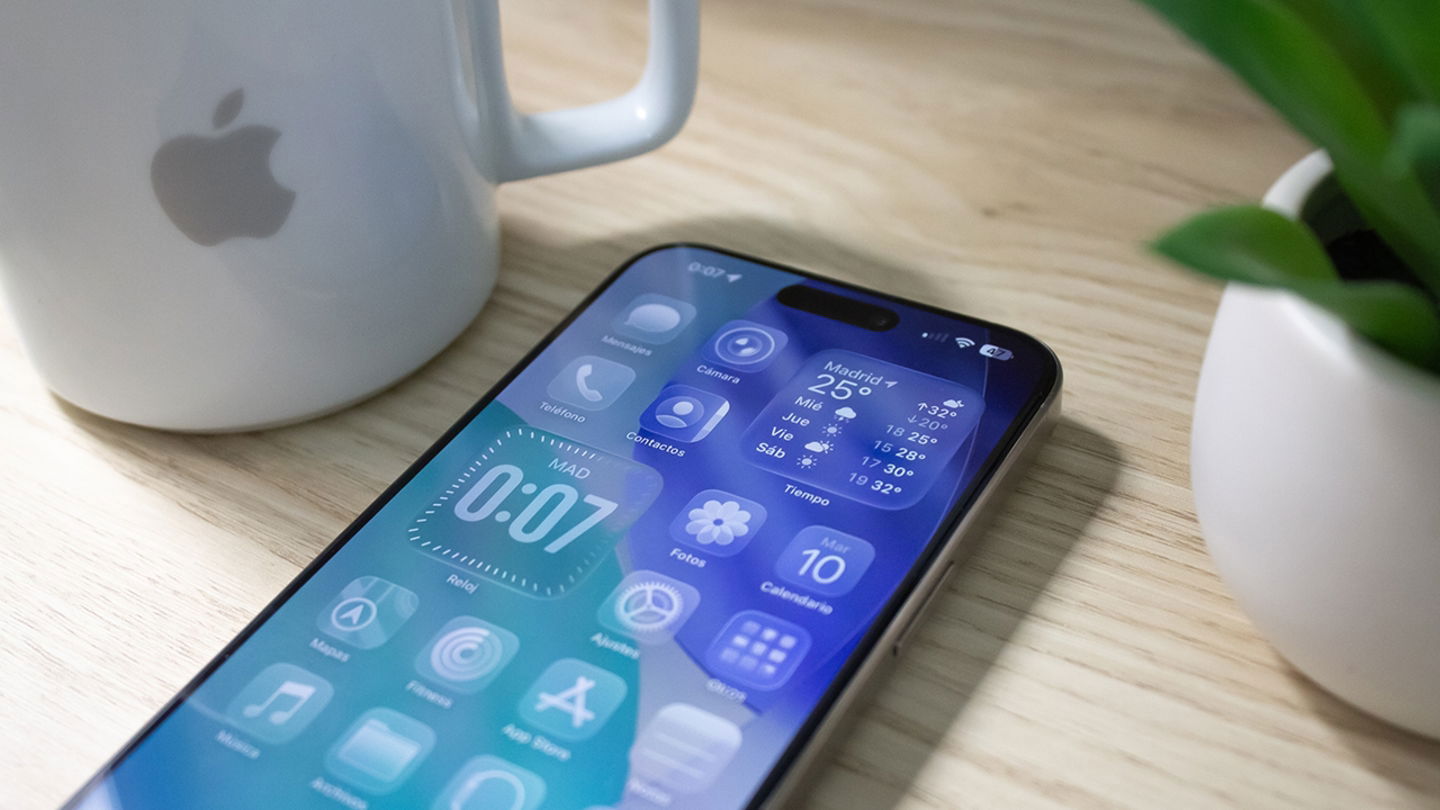
The reality is that it’s no longer enough to upgrade an iPhone with a new chip or a better camera; people no longer upgrade just for the sake of it. Users aren’t noticing any changes in the software, so there’s no reason to change the trend. The iPhone has reached the maturity that Steve Jobs perhaps once dreamed of . We’re likely to see a new category of iPhone, one that has been in the works all along: the foldable iPhone. This is where Apple could shift the purchasing behavior of its users and customers once again.
Apple could make a comeback with AI and the foldable iPhone
The future could be bright for Apple, looking at it this way. We know plans for a foldable iPhone are already in place. Apple’s AI is still in its early stages, having never left beta. If those in Cupertino work on their estimated timeline, they could put together a pretty compelling combo for the coming years. If the rumor mill continues to play out, 2026 and 2027 could be breakthrough years for the iPhone and AI.
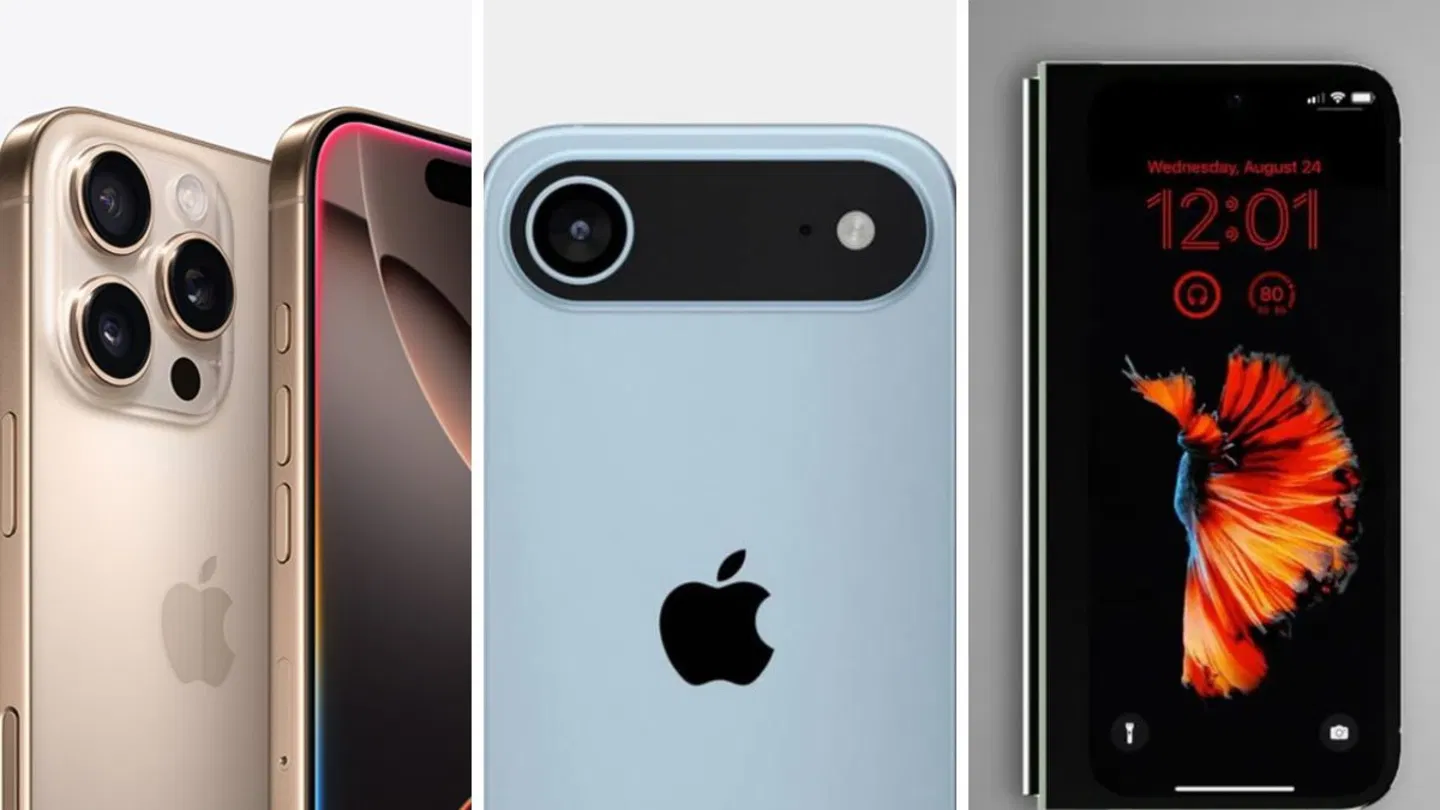
A new foldable device would enter a market, currently unknown to Apple, which is interesting, one where other brands already have possession and a certain dominance. AI, where competition is increasingly fierce, but Apple wants to prove it’s up to the task. The best outcome for Apple? A foldable iPhone that, in its first generation, could once again transform users’ purchasing habits. It will be difficult to talk about a revolution like the iPhone did in 2007, but if the foldable iPhone manages to catapult itself above its competitors, a revolution will be imminent for the second time.