

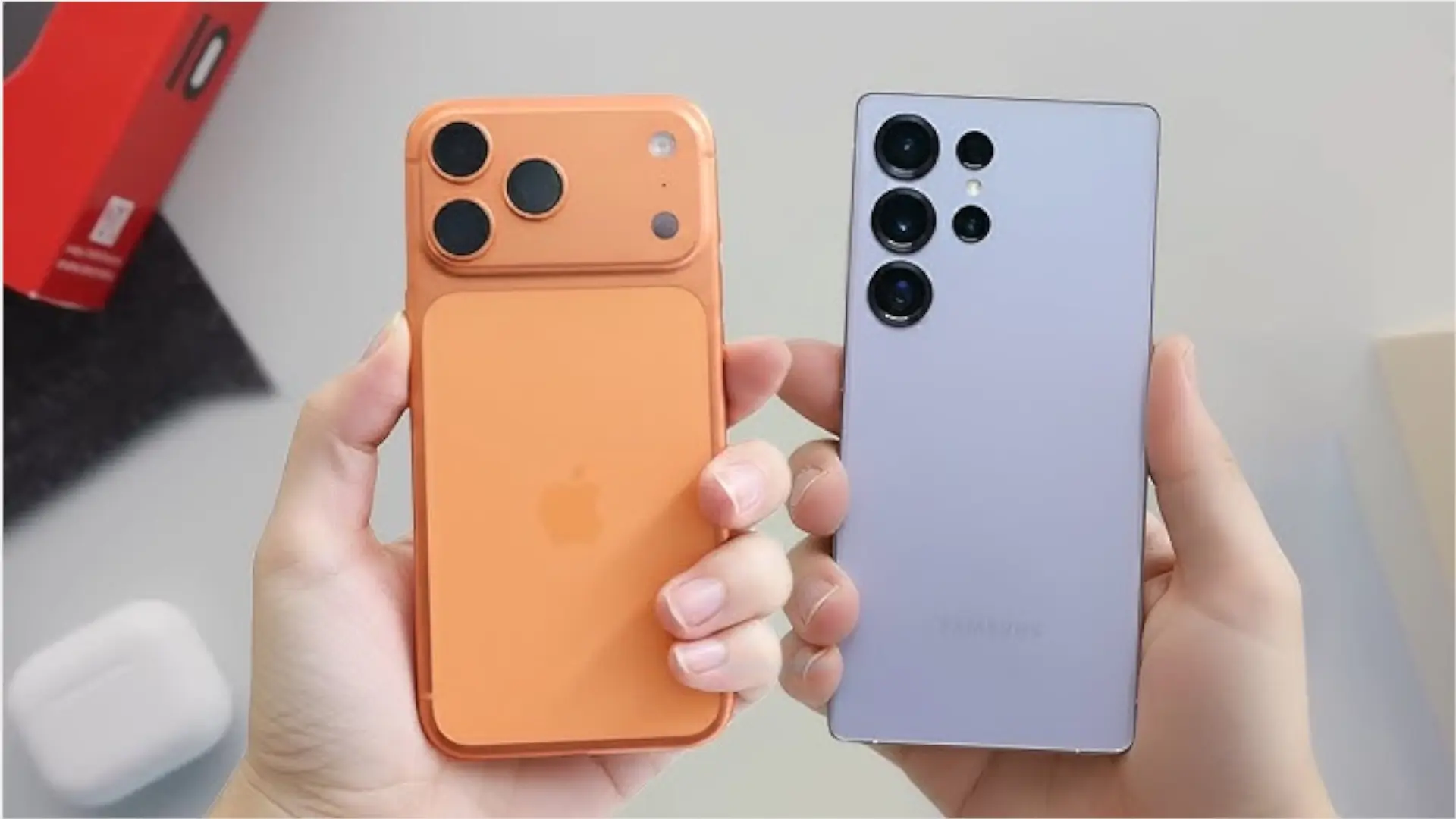

We already have the data on the table and, honestly, the mobile panorama of this third quarter of 2025 leaves us with a feeling of déjà vubut with very interesting nuances that are worth analyzing. As the latest market reports reveal, Apple and Samsung have once again demonstrated why they are the undisputed kings of the sector, sharing the entire top 10 best-selling smartphones at a global level. Five models for those from Cupertino and five for the South Koreans; There is no room for anyone else at the top, confirming a brutal consolidation of the duopoly.
At the top of the podium, without surprises, we find the iPhone 16. Although the rumors and the launch of the 17 series were already making noise, the base 2024 model has maintained its crown with 4% of the global share. This demonstrates a trend that we have been observing: the average user prefers to go for the standard model, which has reached an enviable level of technical maturity, rather than shell out the extra for the Pro versions or wait for the new, sometimes incremental, new generation.
Samsung's mid-range: when AI reaches everyone
If we look at the Android side, Samsung's strategy is worthy of study. Far from depending exclusively on their flagships like the S25 series, the real sales driver remains the Galaxy A family. The most striking thing about this quarter is not only that the Galaxy A16 5G has been crowned the best-selling Android phone in the world, but the behavior of its older brothers.
This is where things get interesting: contrary to what the logic of nomenclature would dictate, the Galaxy A36 has surpassed the Galaxy A56 in salesboth placing comfortably in the top 10. The reason? Everything points to the democratization of software functions. Samsung has been completely right by bringing features of Galaxy AI (or “Awesome Intelligence” as they have renamed it for this range) to more accessible devices. Features like Best Face and improved night photography are no longer exclusive to those who spend a thousand euros, and the market has responded by purchasing these terminals en masse.
The iPhone 17 rears its head and goodbye to 4G
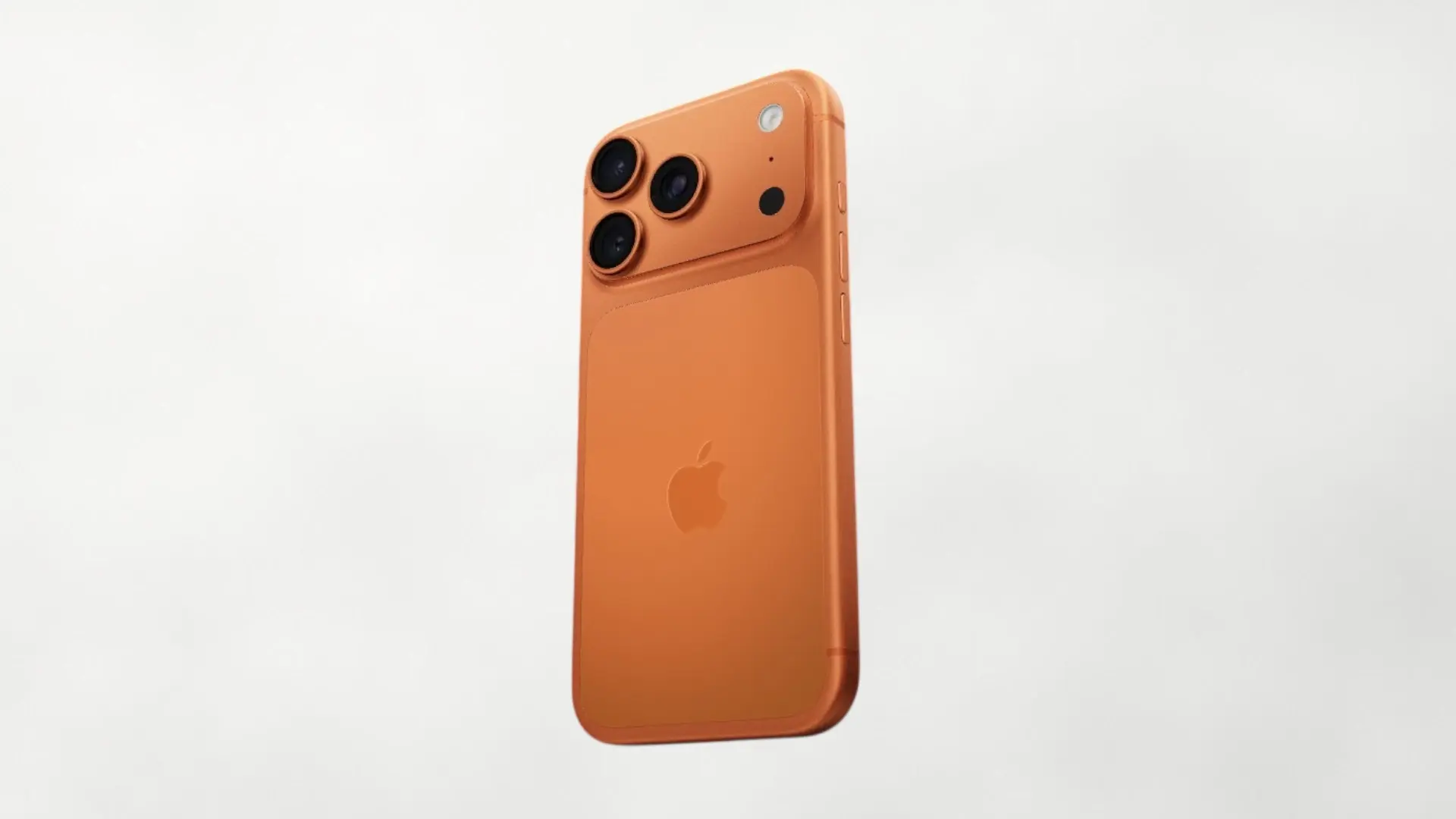
Returning to Apple, it is remarkable to see how the iPhone 17 Pro Max has managed to sneak into tenth place despite having had very little time on the market during this quarter. This suggests that the demand for ultra-premium remains intact for the niche of enthusiasts who update on day one. However, the general picture is clear: the vast majority of sales are concentrated in established models with somewhat more stable prices.
To close this analysis, there is a technical fact that we cannot ignore: for the first time in a third quarter, the top five positions in the ranking are exclusively 5G smartphones. 4G has definitely been relegated to very specific markets or entry ranges like the Galaxy A06. Standardization is total, and consumers can no longer conceive of renewing their phone without this connectivity, driven by operators that almost no longer offer plans without it.
Seeing that the Galaxy A36 has sold more than the A56 for offering a similar experience at a better price, Do you think it's worth paying the extra for the top model or is the “cheap” mid-range already enough for 90% of us?