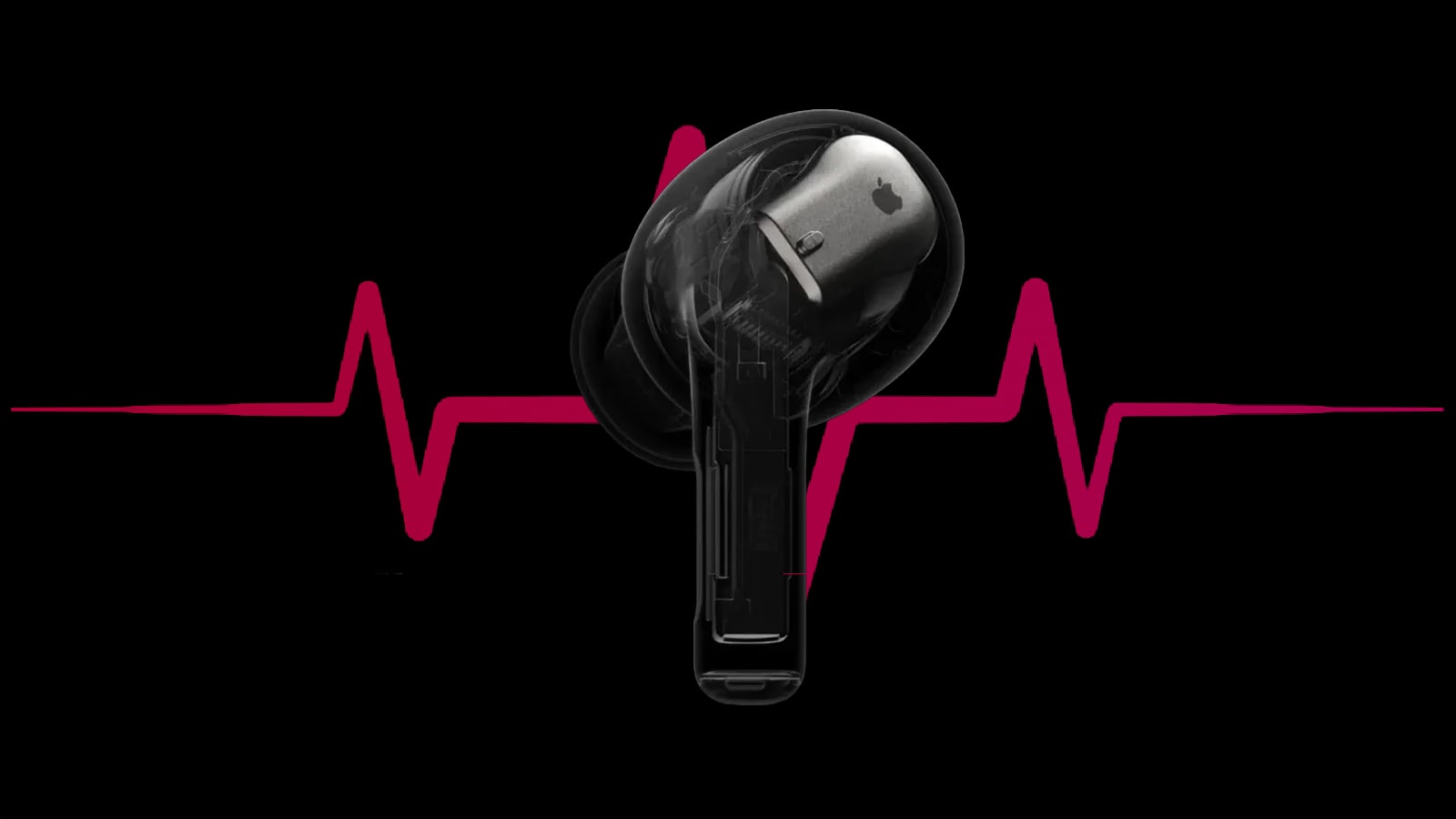
We all know ChatGPT, an AI capable of answering anything. However, it is not always as precise as we would like, especially if we talk about health issues, since each person is different, and age or gender also influences the answers.
That is why, together with Apple, they have partnered so that the user, voluntarily, can integrate OpenAI AI with the Health app on our iPhonesbeing able to read the data and thus respond to us in a much more personalized way than before.
ChatGPT Health arrives on iPhones
OpenAI has added a new part to ChatGPT focused on health, and the fun is that it can now connect with real data that you already have on your mobile. For example, with Apple Health. That means that, if you want, ChatGPT can see things like your daily activity, how much you sleep, how many steps you take, or how you move in generaland use that information to respond to you with a little more sense.
It's not about chat becoming a doctor, far from it. It is not going to tell you what pill to take or give you diagnoses (which is not a good idea to ask for either). The idea is rather to help you understand data that you often see in the Health app and you don't really know what it means, or to prepare better before going to the doctor, or simply to have a clearer vision of your habits.
In addition to Apple Health, It can also connect with other well-known apps, such as MyFitnessPalPeloton or Weight Watchers, so it's not something exclusive with ChatGPT. There are even cases in which medical documents can be uploaded or consulted, although at the moment this is more limited and depends a lot on the country. In general, it's all about putting together information that already exists and giving it some context to make it more real than a generic answer.
An important point is that all this is separate from the rest of the chats. There is a specific health section and what is discussed there does not mix with normal conversations. OpenAI also insists that this data is not used to train models and that the user always has control, so you decide what you connect, what you watch and what not, that is, it is not mandatory, and you will not have to give your information to this external company, even though they assure that they will not use it either.
The deployment is taking place little by little. Not everyone has it yet and some features are only available in the United States (something already quite common). To use the integration with Apple Health, you obviously need an iPhoneand for now it is arriving first on iOS and the web, so you will have to take a look to see if you are one of the lucky ones, although it will not take long for it to reach everyone.
In short, this is designed for people who already use health apps and want to better understand what they see, without having to search for a thousand different articles or read medical reports that seem to be written in another language. Used well, it can serve as a kind of support to organize information and make decisions with a little more intelligence, although never replacing the doctor, as we said.