

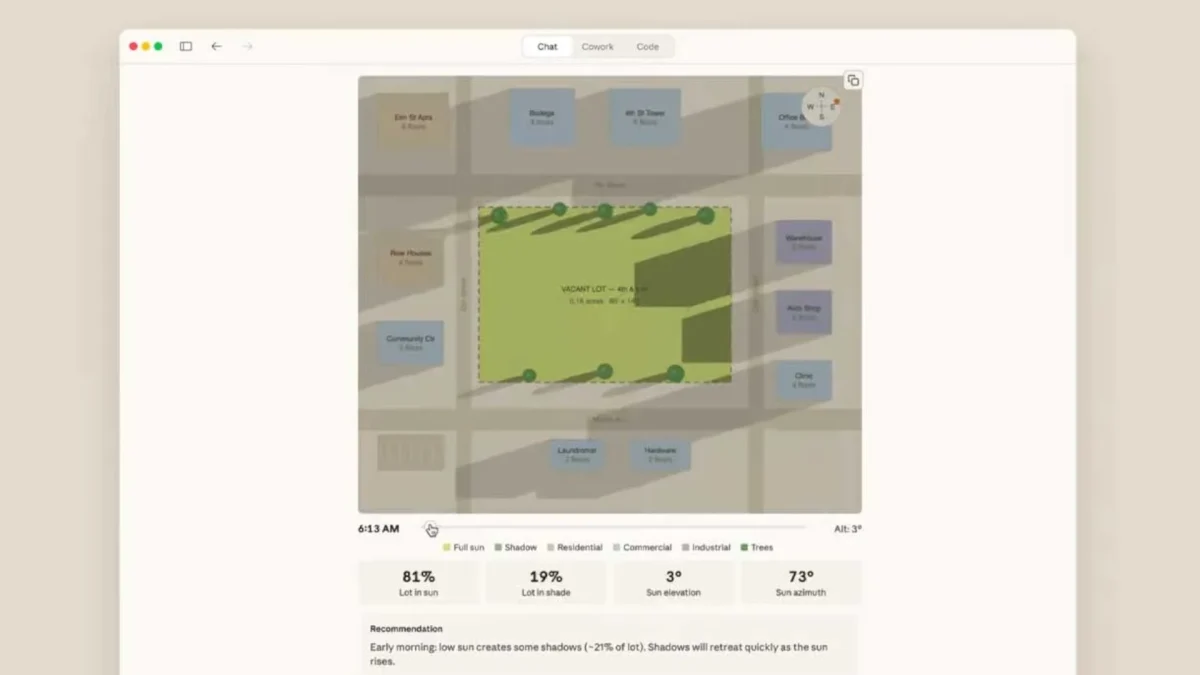

Anthropic has released a feature in beta that changes something basic about how Claude responds: he no longer just writes. From now on, the wizard can generate interactive visualizations directly in the chatwithout the user having to write a single line of code. The feature is available from the free plan to the Enterprise plan.
The underlying idea is that there are questions that a block of text does not answer well. If you ask how compound interest works, Claude can build an interactive curve that the user manipulates in real time. If you ask about the periodic table, a visual map appears where you can click on each element to see its details. The graphics are not static: they update to as the conversation progressesadapting to the new nuances or questions that you add.
Ephemeral visualizations, not artifacts
It is worth distinguishing this from the artifacts that Claude was already generating before: documents, tools or code fragments that could be downloaded or shared. These visualizations are something else. They are temporary, they live within the chat thread and can change or disappear as the conversation evolves. They are not intended as deliverables, yesnot as contextual support while talking to the assistant.
The function activates itself when Claude considers it appropriatealthough it also responds to direct instructions such as “draw this as a diagram” or “visualize how this changes over time.”
This is not the first time that Anthropic has worked on the response format: the recipes are already shown with their own structure of ingredients and steps, and the information weather has its own widget. Interactive graphics go in that same direction, although with much more technical complexity behind them. The closest reference is Gemini, which also updates previous answers when the user adds context, although without the same visual capacity.
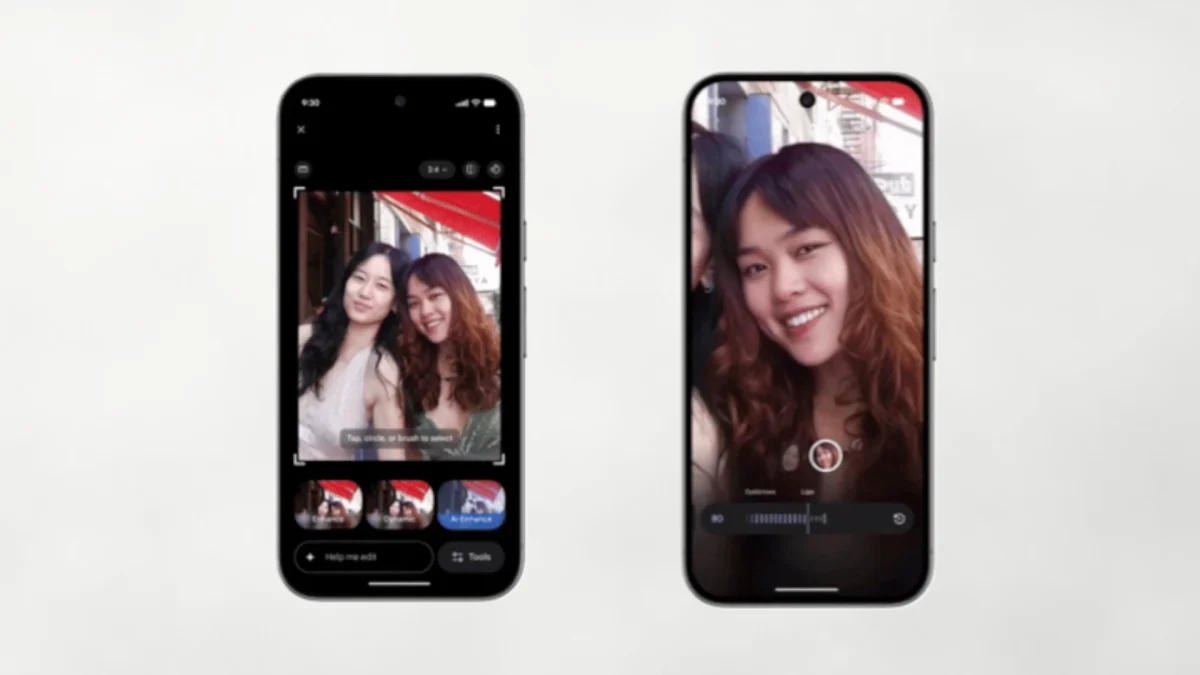
It is a different path than the one taken, for example, by Nano Banana Prowhere the bet was to integrate AI into the hardware and run models locally. Anthropic aims here to enrich the conversational experience without leaving the browser, with an interface that is closer to a dynamic whiteboard than a text box.
If the trend consolidates, AI assistants could stop being evaluated solely on the quality of their prose.