


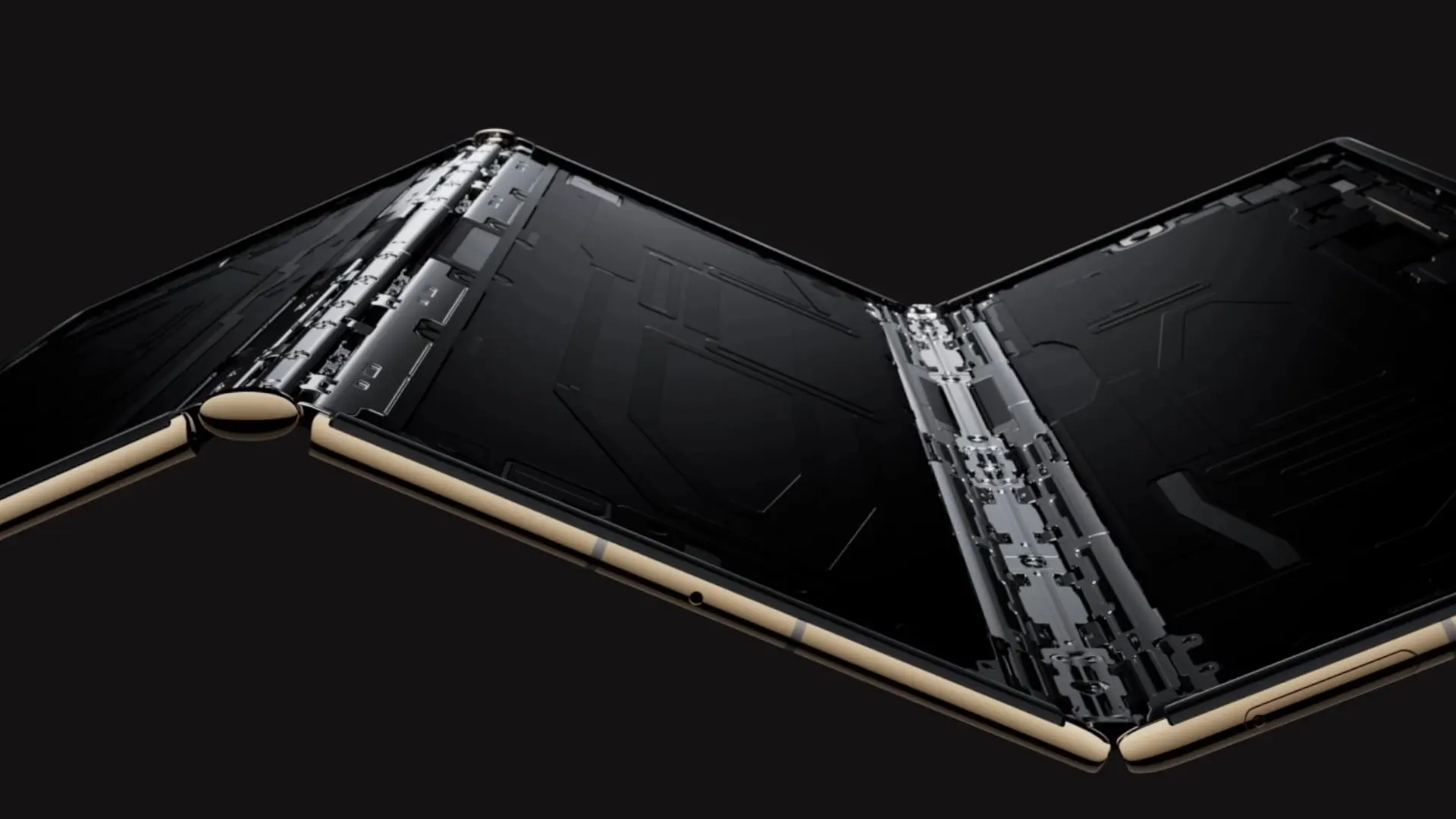

Triple screen folding phones are already a reality and the arrival of the Samsung Galaxy Z TriFold confirms that this format is not just an experiment. Samsung's new model directly faces the Huawei Mate XTs Ultimate Designheir to the first commercial triple-folding mobile phone on the market and a clear example of how far Huawei wants to go with its flexible screens.
Both aim at a very advanced user, who seeks to replace the tablet and even the laptop with a single device. However, their philosophy is almost opposite: Samsung is committed to protecting the screen at all costs, while Huawei prioritizes extreme versatility, even if that means taking some risks in durability.
Foldable design: protect the screen or gain versatility
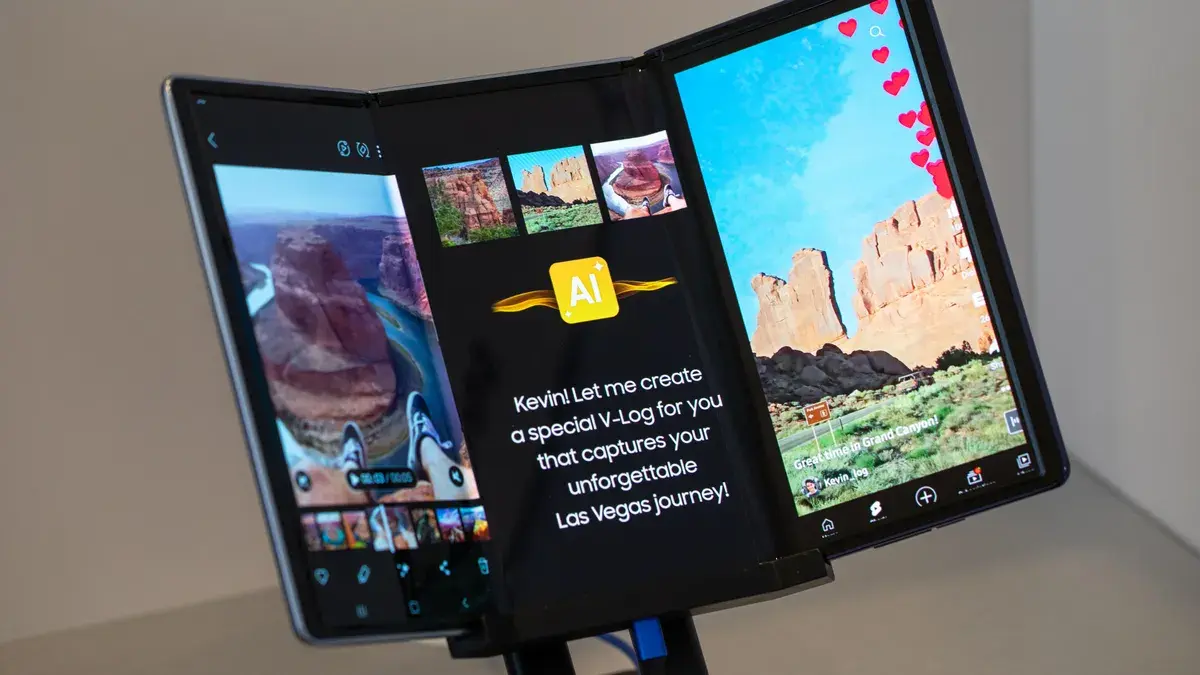
He Galaxy Z TriFold uses a double hinge system with inward folding. When closed, it offers a 6.5-inch cover screen, very similar to that of a “normal” mobile phone, while, when opened, it displays a 10-inch panel that is completely protected when closed. It's a more conservative approach that minimizes the risk of scratches when carrying the device in your pocket or backpack.
He Huawei Mate XTs opt for a “Z” folding outwards: the same screen surrounds the body and allows it to be used as a 6.4-inch mobile, as an intermediate format of 7.9 inches or fully extended, with 10.2 inches. On paper, it's more flexible and comfortable for switching uses on the fly, but the screen is always partially exposed, which can take its toll over time if you're not very careful.
Screens, performance and battery: two very different beasts
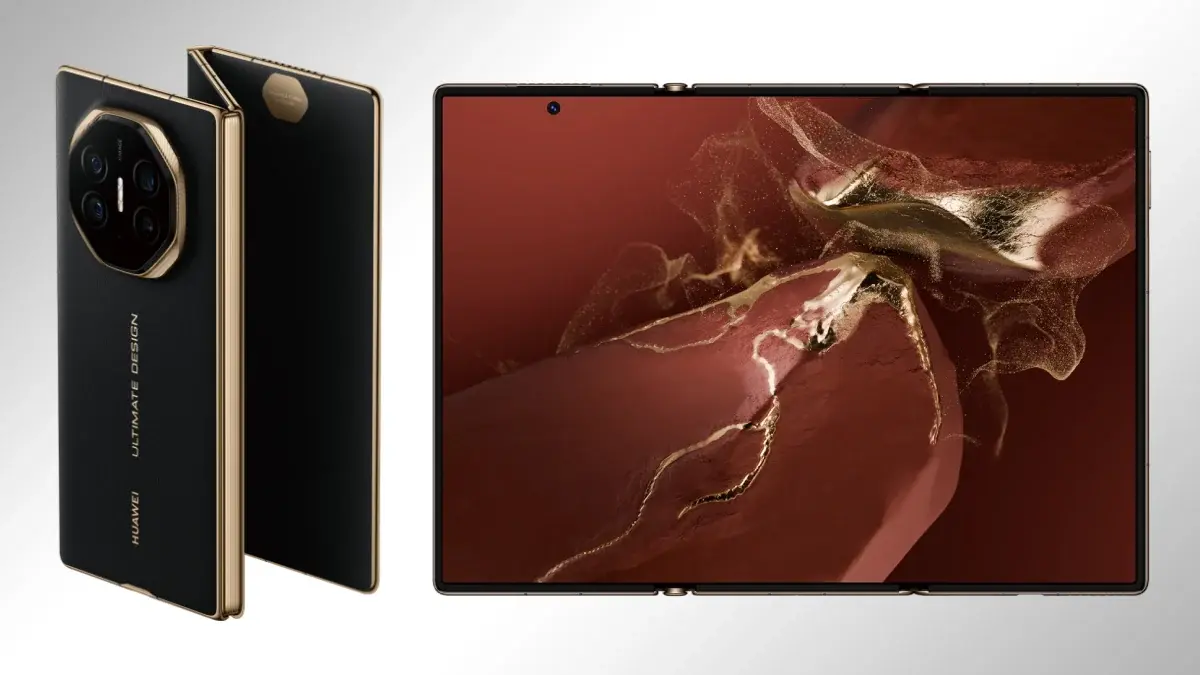
As for the screen, both play in the same league, but with nuances. Samsung mounts a panel 10-inch Dynamic AMOLED 2X with QXGA+ resolution, adaptive refresh rate 120Hz and up to 1600 nits of brightness, accompanied by a 6.5-inch cover screen, which offers even greater brightness. Huawei responds with a panel 10.2-inch 90Hz LTPO 3K OLED and adds something key for some profiles: pen compatibility M‑Pen 3ideal for taking notes or drawing directly on the panel.
Potentially, the Galaxy Z TriFold is committed to Snapdragon 8 Elite for Galaxywith 16 GB of RAM and up to 1 TB of storage. The Mate XTs mounts a Next Generation Kirin (according to sources, it could be a Kirin 9010 or 9020, although there is no official confirmation), also with 16 GB of RAM and up to 1 TB, but with more contained starting options. Both integrate a battery of 5600mAhalthough Huawei makes a difference in charging: 66 W wired and 50 W wireless chargingin front of the 45 W wired and 15 W wireless of the Samsung model. And this is noticeable when you are in a hurry and the battery level is low.
Technical sheet of the Samsung Galaxy Z TriFold and the Huawei Mate XTs
- Format: triple folding; the Samsung with inward folding, the Huawei with outward folding
- Main screen: ~10 inches (Samsung at 120 Hz, Huawei at 90 Hz, 3K resolution on Huawei)
- Cover screen: 6.5 inches (Samsung) vs. 6.4 inches (Huawei)
- Processor: Snapdragon 8 Elite for Galaxy (Samsung) / Kirin 9010/9020 (Huawei)
- Memory: 16 GB of RAM on both and up to 1 TB of storage
- Battery: 5600 mAh on both; 45W + 15W charging (Samsung) and 66W + 50W (Huawei)
- Extras: Native DeX and resistance IP48 on the Samsung; M‑Pen 3 and thinner and lighter design in the Huawei
Cameras and software: where each shines
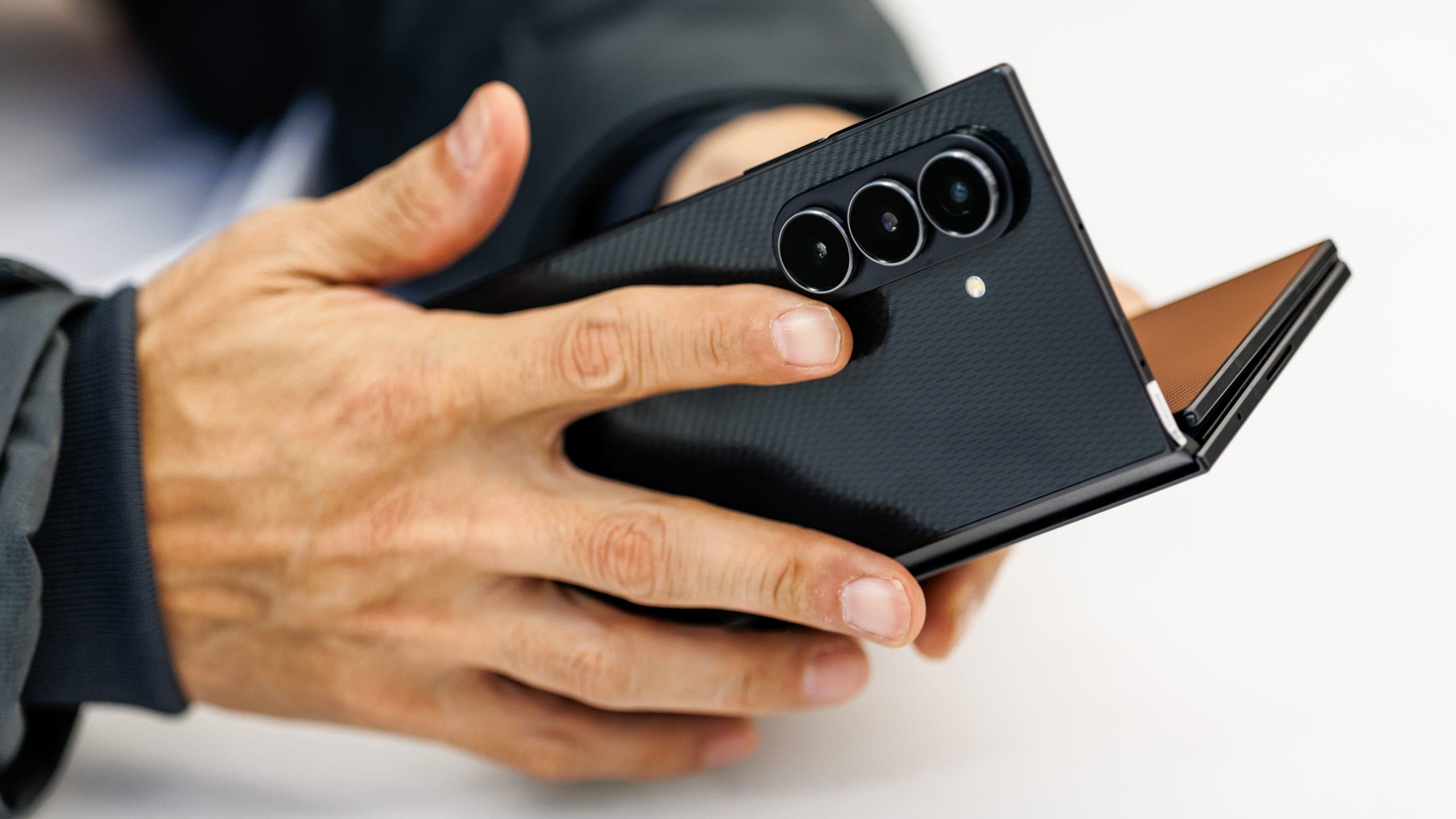
He Galaxy Z TriFold It comes with a 200-megapixel main camera, a 12-megapixel ultra-wide-angle and a 10-megapixel telephoto lens with 3x zoom, as well as two 10-megapixel selfie cameras (on the cover and inside). He Mate XTs It relies on a 50-megapixel main sensor with variable aperture, a 40-megapixel ultra-wide angle with macro mode, a 12-megapixel periscopic telephoto lens with 5.5x zoom and a multispectral sensor to improve color reproduction, along with an 8-megapixel front camera.
On paper, Huawei is more versatile in focal lengths, while Samsung relies on high resolution and processing with Advanced AI to finish the photo. Experience tells us that Samsung's high-end usually offers very consistent results in automatic, while Huawei offers more possibilities if you prefer to explore zoom and manual adjustments.
In software, the differences are even greater. The Galaxy Z TriFold arrives with Android 16 and One UI 8with all the Google services and a way Samsung DeX which works directly on the 10-inch screen, as if it were a mini laptop. The Mate XTs runs HarmonyOS 5.1still does not integrate Google apps as standard in international markets and requires projecting its desktop mode on an external screen to take full advantage of it.
Which triple folding makes the most sense to you?
Given what has been seen, the Samsung Galaxy Z TriFold It seems the most balanced and logical option for most users, especially outside China: it protects the screen better, offers a smoother panel, a more powerful processor and a complete Android environment with DeX and Google services.
He Huawei Mate XTsfor its part, is ideal if you value the maximum format versatilityvery aggressive fast charging and the use of the pencil and you don't mind living with both HarmonyOS and the absence of Google services. Which one would you choose if you had to choose today a triple folding device to replace your mobile phone and tablet?