The rumor has been growing for several days: the chip giant Qualcomm has approached its rival Intel for a possible acquisition. While the discussions are only at a preliminary stage and no official offer has been officially made, such an operation would have major repercussions on the semiconductor industry. And Apple, a historic partner of both groups, could well find itself at the heart of this upheaval.
Qualcomm on the offensive, Intel on the defensive
Qualcomm, the leader in smartphone chips, is in great shape with a market valuation of nearly $190 billion (+55% over one year). Conversely, Intel is going through a difficult time: its share price has fallen by 40%, its capitalization has fallen to $93 billion, and the group has just announced a loss of $1.6 billion and 15,000 job cuts. Intel, which reigned supreme over global computing nearly 20 years ago and was the largest company in the world, is experiencing the most gloomy period in its history.
Intel missed the ARM and AI turn, being overtaken by Nvidia in the latter segment. In servers, Intel is losing to AMD. Its chip production plants, once the most advanced in the world, have lost their technological advantage over TSMC and even Samsung. In recent months, 13th and 14th generation processors have faced malfunctions to the point that the company has had to issue recalls and repairs that have cost it tens of billions. In short, the king of x86 processors is no longer so untouchable and Qualcomm seems determined to take advantage of this.
A takeover that would raise many obstacles
But there is still a long way to go before a possible deal. First, the cost would be colossal for Qualcomm, even with its solid financial health. Second, such a merger would be subject to in-depth antitrust scrutiny given the size and strategic importance of the two groups.
As a reminder, Qualcomm is a company with a quasi-monopoly on major technology markets. ARM processors on Android and PC, 5G and Wi-Fi chips, network firmware… without Qualcomm, technology would not be able to evolve as quickly. By buying Intel, which remains a major player in chips despite its difficulties, Qualcomm would eliminate a competitor and find itself in a dominant position on a new market.
Another sticking point: Intel’s loss-making foundry operations. Qualcomm, which does not produce its own chips, would probably have no interest in taking them over. But would the authorities accept a sale without these factories deemed essential for American competitiveness? We know that the American government, with the Chips Act and the billions in subsidies paid to build factories on its territory (like TSMC), takes a very dim view of Intel’s decline.
What impact for Apple?
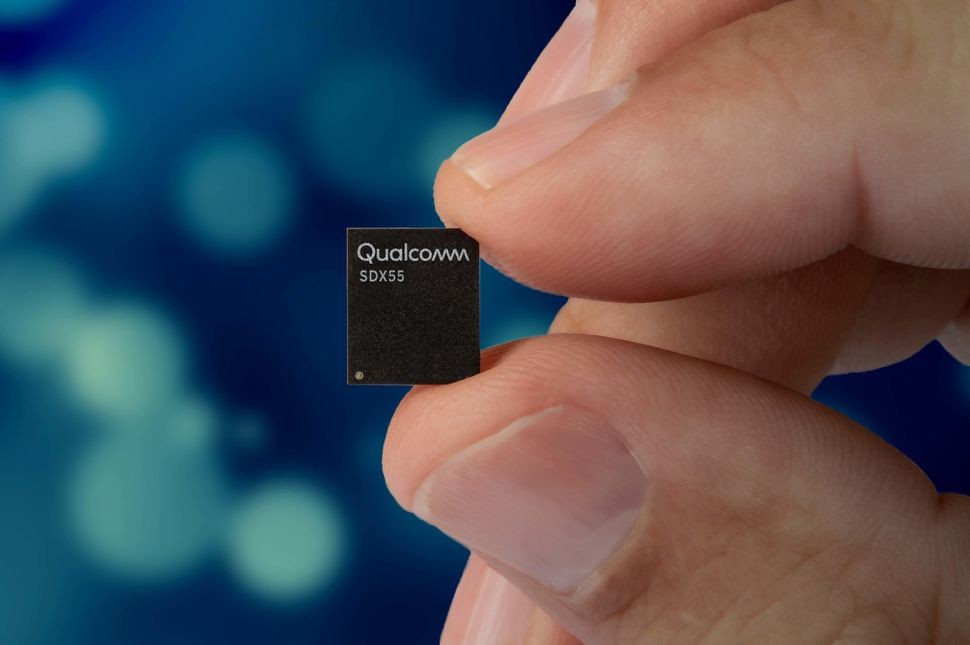
Apple is a major customer of both Qualcomm, which supplies 5G modems for the iPhone, and its biggest competitor on ARM chips. The Apple company is therefore following this issue closely, especially as it seeks to reduce its dependence on third-party suppliers by designing its own chips.
If Qualcomm were to acquire Intel’s chip design and software expertise, it could give it a serious boost over Apple in the PC market. Qualcomm is the first company to design AI-enhanced ARM SoCs for PCs, and for now there is no competition except Apple in its own ecosystem. This is a story that is not unlike Nvidia’s attempted acquisition of ARM, which was fortunately rejected by the UK competition authority.
Apple could also fear that a strengthened Qualcomm will abuse its dominant position, as it has been accused of doing in the past. But it is difficult to say at this stage whether the Cupertino company would really have an interest in opposing this marriage between chip giants. One thing is certain: if Qualcomm and Intel get married, it will redistribute the cards in the semiconductor battle. And Apple will necessarily have to adapt to this new competitive landscape.
Learn more about the New York Times.