


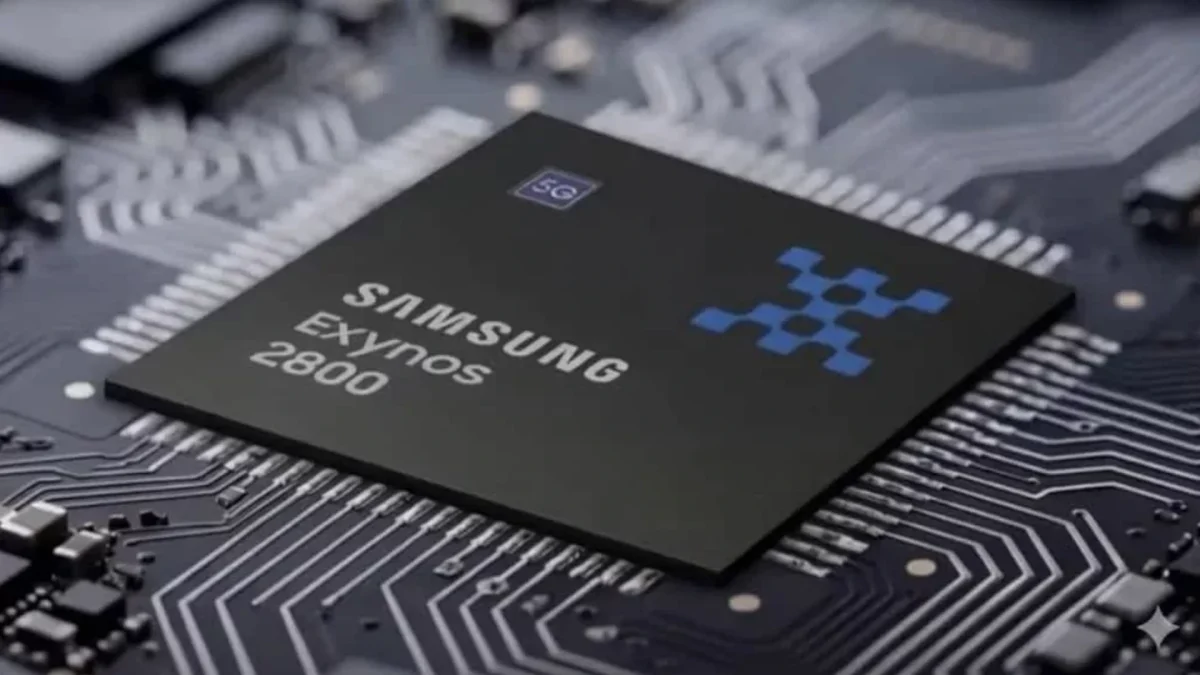

It seems really crazy to think in such a long term when the Samsung Galaxy S26 They just landed in stores a few weeks ago, but the machinery of the mobile industry never rests. The South Korean firm is already working at full speed on the brain that will give life to its 2028 flagships. According to the latest leaked reports, the long-awaited Samsung Exynos 2800, known internally under the code name Vanguard, has made a drastic decision: it will not make the leap to the complex 1.4 nanometer manufacturing process as most expected.
Instead, the company has decided to be much more realistic and will choose to perfect its current technology. 2nm Gate-All-Around (GAA). This move may seem like a step back in the face of rampant downsizing competition, but it makes perfect sense when you look at the assembly line. Making chips with such extreme lithography drives up costs, and initial yield rates are often disappointing. By staying in an improved node, known as SF2P+, Samsung seeks to ensure much more reliable mass production without making the final device absurdly expensive.
Technical efficiency: Vanguard's true objective
The key to this change in technical direction lies in design technological optimization (DTCO). By avoiding the huge headaches inherent in a completely new architecture, the semiconductor division can focus on making the most of what it already has mastered. Through optical reduction techniques, they will be able to reduce the size of the processor, improve its overall performance by 12% and, most importantly, lower the energy consumption by a spectacular 25% compared to previous versions.
In addition, this processor could mark a before and after for the brand, since rumors suggest that it will be the first to incorporate a Samsung's own GPUsaying goodbye to the external alliances of previous years. With final design scheduled for late 2026, the company is confident of surpassing the current modest 60% manufacturing success rate. Betting on familiar terrain seems like the smartest move to avoid overheating or lack of stock. Do you think this conservative strategy will be enough for Samsung to crown the high-end over Qualcomm?