



For more than three decades, the security of our devices has been based on mathematical problems so complex that it is almost impossible to solve them without the proper key. However, the quantum computers threaten to tear down this wall: their immense and different computing power could decipher traditional algorithms in a matter of seconds.
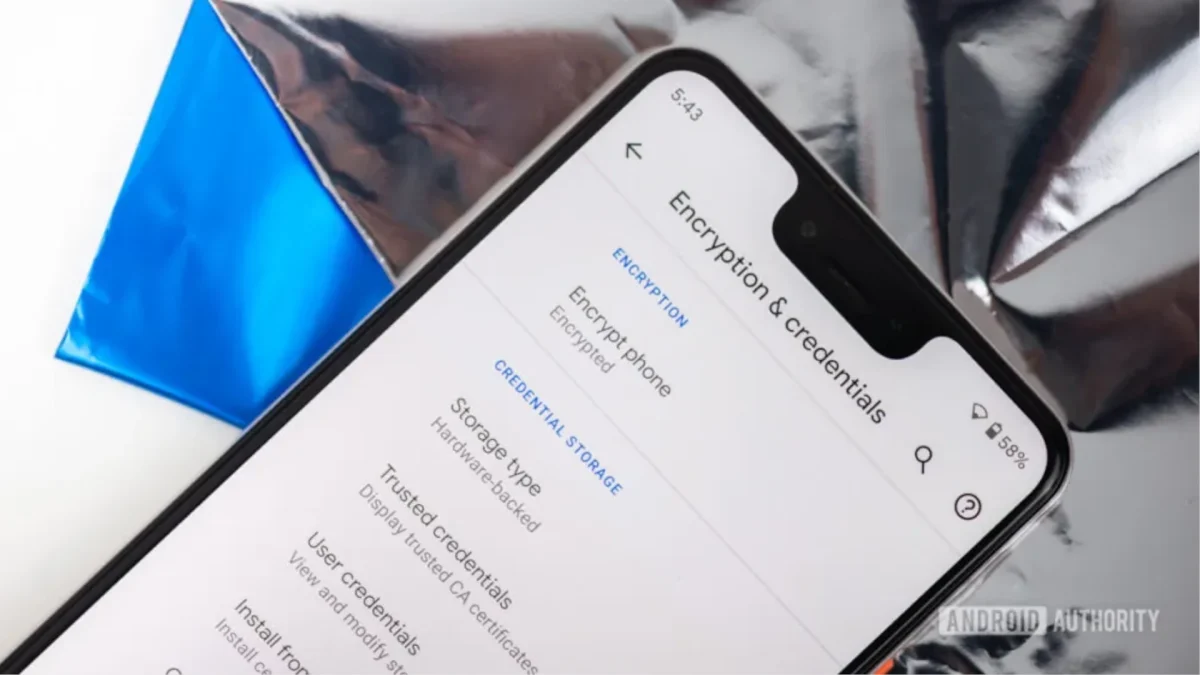
To avoid a true digital apocalypse, Google has decided to make a move and prepare for this scenario. The company has confirmed a crucial development: it will adopt government standards for post-quantum cryptography (PQC) in Android 17. This movement will begin to be tested in the next beta of the operating system, with the firm intention of being integrated natively in the final version.
A necessary shield, but: enough in the face of real danger?
In practice, this update seeks to shield critical areas of our phone. Google plans to reinforce fundamental elements: improving the boot loader with digital signatures resistant to quantum attacks to prevent malicious actors from compromising the secure boot chain. It's a vital step, especially considering certain current spy tactics: stealing encrypted data today to decrypt it tomorrow when technology advances.
However, as analysts we must keep our feet on the ground. While protecting against future threats sounds great on paper, quantum computing is not the problem that will hit you tomorrow morning. The real danger for the user remains the same as always: download malicious applicationsfalling for fraudulent emails or using very weak passwords. There is no point in having a mobile phone that is future-proof against cyberattacks if we leave the door open to the most basic scams of the present.
The arrival of this level of security to Android 17 It is an undeniable advance that demonstrates maturity in the industry, but it does not magically make us invulnerable. It remains to be seen how this heavy encryption will impact the performance of cheaper phones that upgrade to the new system.
Knowing all this: Do you think that technology companies are doing well to improve their health or is it just a marketing strategy to sell more security?