


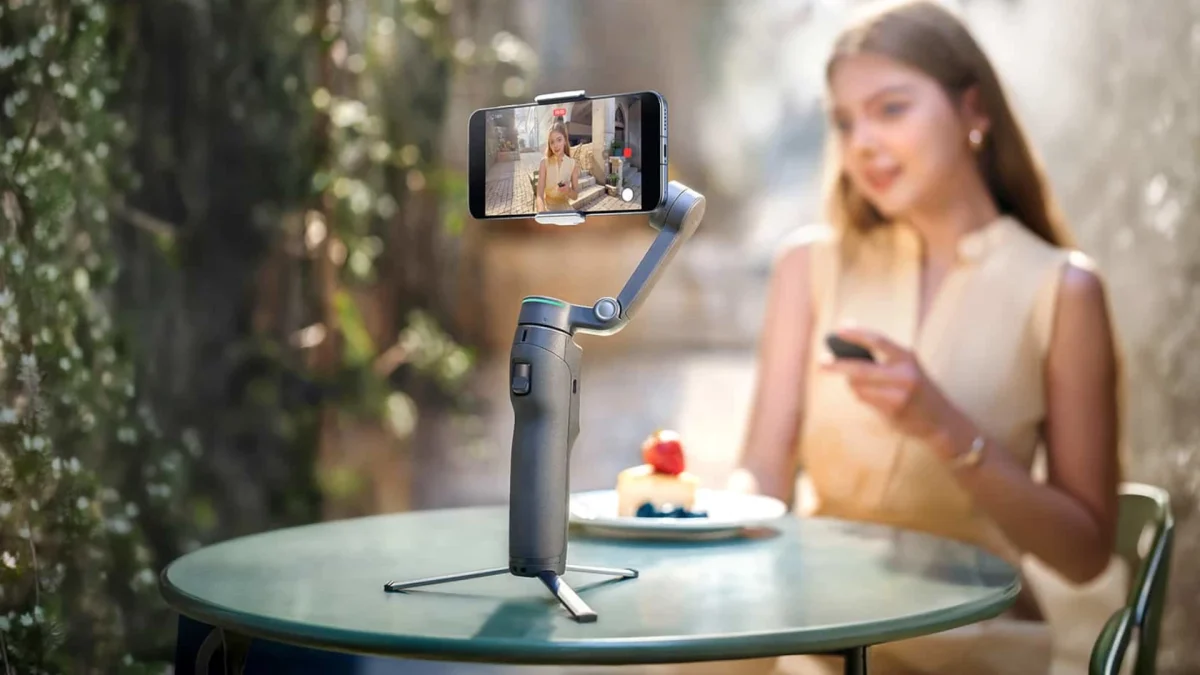

The mobile stabilizer market has just received a major shake-up. After months of anticipation, the Asian company has made the global launch of the DJI Osmo Mobile 8Pa device that seeks to redefine the way content is recorded with smartphones. As you probably already know, DJI It has a quality in its products that is almost unsurpassed, a level of technical excellence that we were able to verify recently with the launch of the spectacular Osmo Pocket 4. Now, the company seeks to transfer that same philosophy of innovation to its most popular line of gimbals for smartphones.
The main asset of this new generation lies not only in better stabilization of its motors, but in the incorporation of a hardware element that changes the rules of the game: a removable screen. This feature allows content creators to monitor their shots remotely, detaching the display from the docked phone itself for the first time. It is a bold move on the part of the brand, but one that logically raises certain doubts about the final weight of the set and the impact on real autonomy during long recording days.
Osmo FrameTap: real innovation or simple marketing trick?
Along with the removable panel, the manufacturer has introduced the technology Osmo FrameTap. According to the first technical data, this system allows direct interaction with the stabilizer frame using tactile touches. In this way, it is possible to adjust key parameters such as zoom, exposure or switch between different tracking modes without having to touch the mobile screen. The premise is excellent, especially to avoid unnecessary vibrations during the video capture.
However, from a more critical perspective, it will be necessary to evaluate in daily use whether the sensitivity of this FrameTap is correctly calibrated. Previous generations of touch accessories from various brands have seen how accidental touches can ruin a perfectly good shot. The manufacturer promises that its new algorithms distinguish without problems between a firm grip and an intentional command, but it will be the intensive use by you, the end consumers, that will dictate whether it really provides differential value or remains a simple design anecdote.
An increasingly professional ecosystem, but less accessible
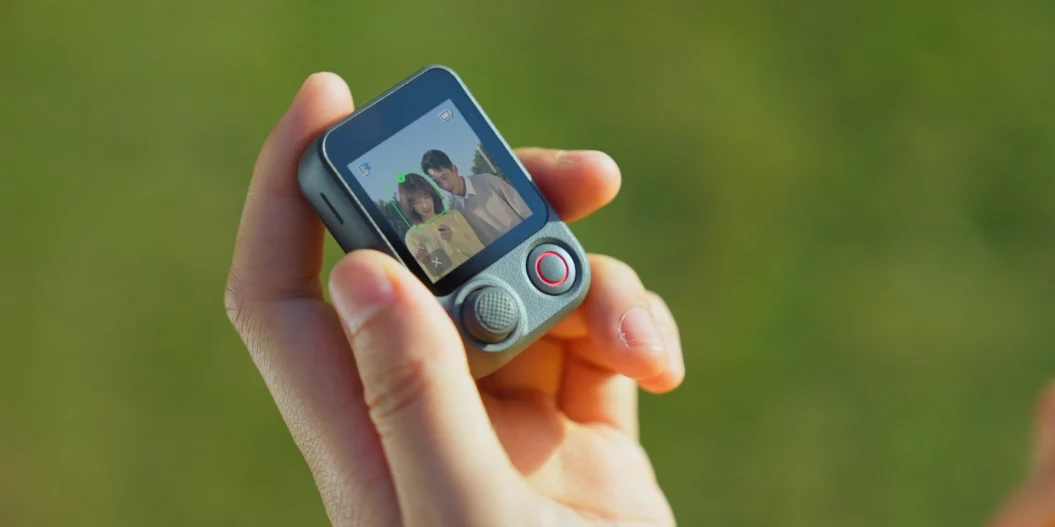
The evolution of this family of devices reflects a clear trend in the technology market: mobile accessories are increasingly sophisticated. The inclusion of the detachable touch screen and on-frame controls bring this stabilizer closer to entry-level cinema equipment. However, this complexity has its counterpart. While these tools make the job of solo content creators much easier, the increased learning curve could alienate the casual user just looking to record a stable video while on vacation.
In addition, the question of compatibility and long-term performance remains. With brands launching increasingly larger and heavier terminals, the engines of Osmo Mobile 8P They will have to demonstrate exceptional resistance to maintain the level of fluidity to which we are accustomed. While the technological roadmap is promising, today's user demands not only new features, but absolute robustness.
Prices
Regarding its marketing, the device is already available on the web and in the various physical DJI stores globally. The premium package that includes the removable screen is priced at 229 eurosbut fortunately there is a standard package for 159 euros for those who prefer a more traditional experience.
Seeing the direction these accessories are taking, Do you think that a removable screen justifies making the leap to this new generation, or do you prefer the operational simplicity of traditional stabilizers?