



He OnePlus 15 has just arrived as one of the great contenders for the best Android mobile of 2026, with a huge 7300 mAh battery, 165 Hz screen and the new Snapdragon 8 Elite Gen 5 in command. In specifications, it is impressive, but the first stress tests speak of something less glamorous: serious problems of overheating, unexpected application closures and a cell phone that can be uncomfortable to hold when required at maximum performance.
The toughest tests, such as 3DMark Wild Life Extremeare uncovering the Achilles heel of the Qualcomm chip: in the OnePlus 15, the external temperature shoots above 52 degrees and the system blocks functions while it cools down. For everyday use, the experience is fluid, but if you like to play for long periods of time or use demanding emulators, the story is quite different.
Extreme tests: app closures and more than 52 degrees
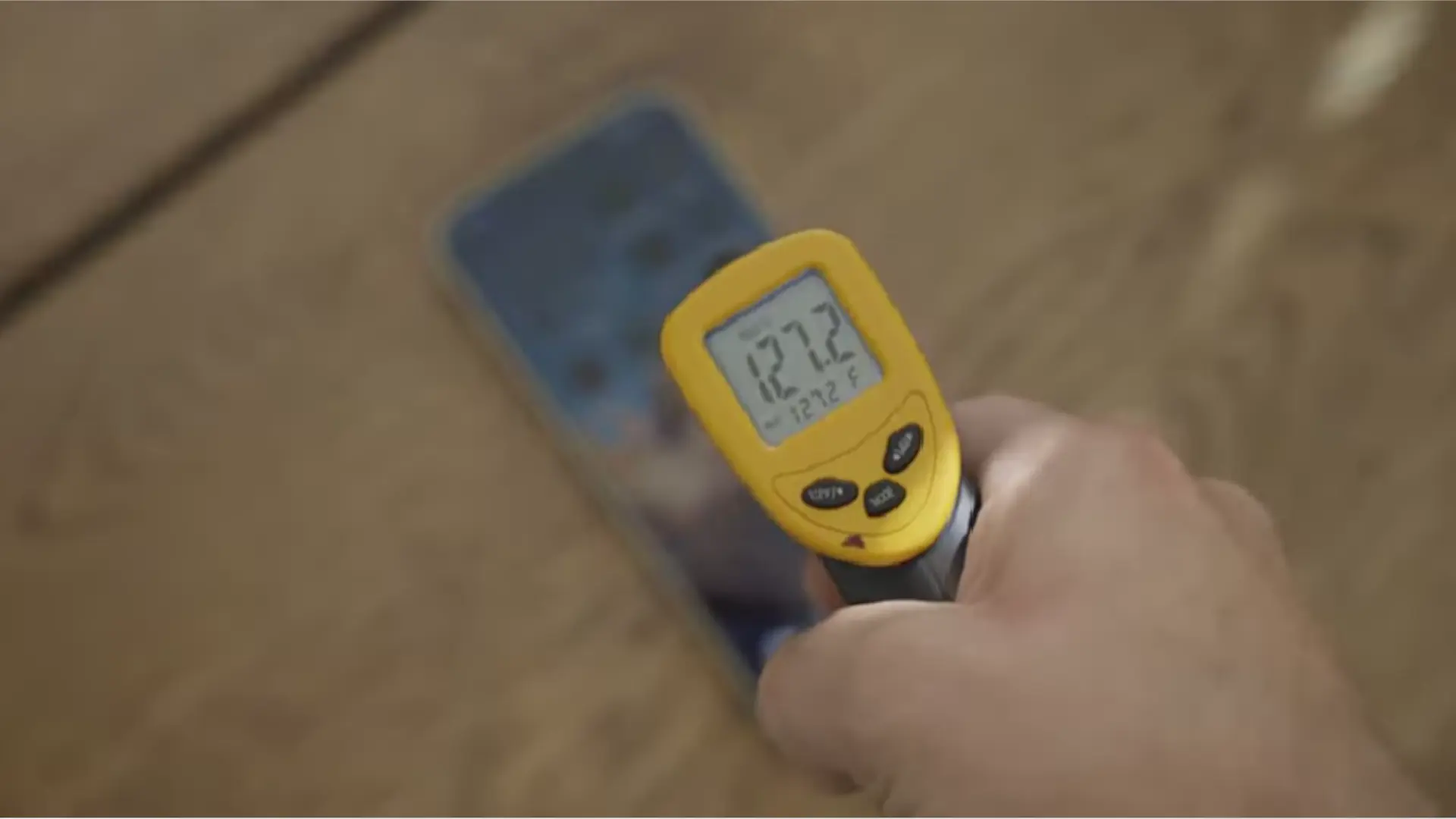
In independent lab tests, the OnePlus 15 holds up well to fast CPU benchmarks and typical performance measurements. The problem appears when loops are chained together. 3DMark Wild Life Extreme designed to simulate a prolonged session of intensive gaming: the mobile only completes around two thirds of the test before stopping it due to excess heat, around 52.7 degrees on the surface.
When that happens, not only does the benchmark; The system enters thermal protection mode, which limits the functions of the device to prevent damage from overheating. That is, the phone is still on, but it works to a limited extent until the temperature drops. And, to be honest, no one expects a high-end mobile phone to have these problems just for playing for a while.
What does it mean for real use and for future mobiles?
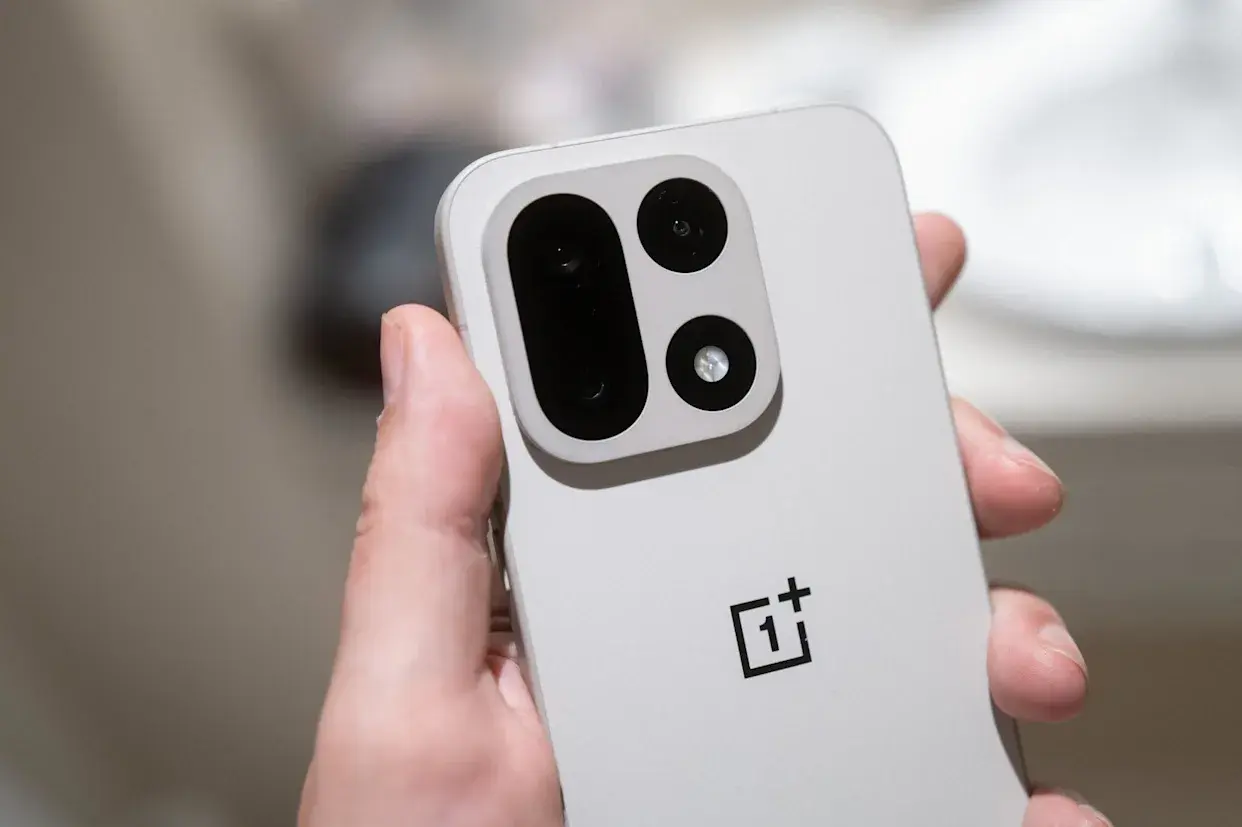
OnePlus defends itself by remembering that these tests are tougher than almost any game in the app store and that, in normal use, the OnePlus 15 remains within the expected thermal limits. Furthermore, the huge battery of 7300mAh and the 120 W fast charging help the phone last two days away from the socket, even with intense use, something that in practice is much more noticeable than a couple of laboratory figures.
Even so, the numbers make it clear that the Snapdragon 8 Elite Gen 5 It requires a lot of energy when pushed and not all chassis are prepared to dissipate it. Mobile phones with advanced cooling, such as some gaming models with an internal fan, can maintain high performance for longer, while others choose to reduce power to avoid burning themselves or end up showing temperature warnings like the OnePlus 15 in these brutal tests.
The OnePlus 15 and the eternal balance between power and temperature
For those looking for a balanced high-end mobile phone, with very good autonomy, fast screen, reliable cameras and plenty of power for everyday life, the OnePlus 15 He is still a very serious candidate. The analyzes agree that in social networks, photos, videos and “normal” games the performance is excellent and the heat remains reasonable, even if the body of the mobile phone becomes warmer than usual.
The problem comes when the absolute priority is to play at the limit for long sessions or use heavy emulators with the highest possible quality. There, the combination between Snapdragon 8 Elite Gen 5 and the thermal design of the OnePlus 15 It is insufficient to maintain performance in demanding sessions and the system is protected prematurely. If you are considering buying it, the question is simple: do you need all that sustained power or do you prefer a very complete mobile phone that, however, makes certain concessions in sustained performance under high thermal load?