


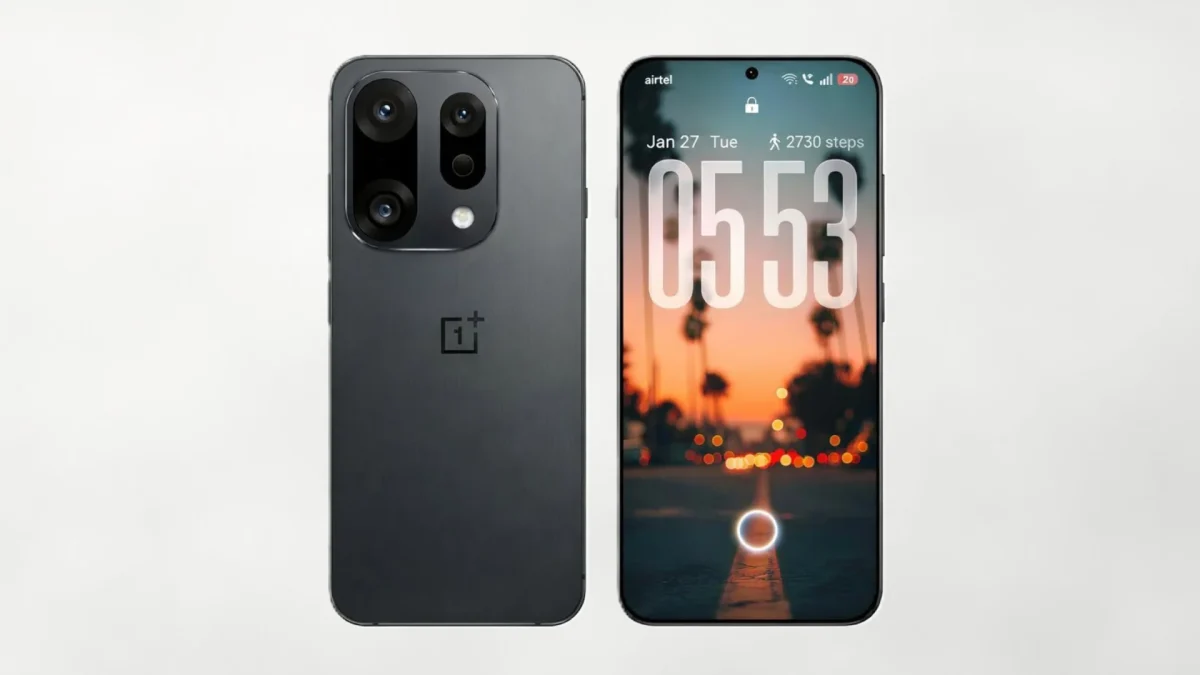

The race for hertz in mobile phones seems to have no brakes. A recent leak suggests that the next OnePlus 16 You won't settle for small generational leaps on your screen. According to the information revealed, the Asian brand would be testing a custom BOE OLED panel that would start at 185 Hz, with the firm intention of reaching dizzying levels. 240Hz.
This figure puts us squarely in the territory of monitors gaming high competitionposing a visually striking scenario: bevels less than one millimeter. The leak also points to support for the BT.2020 color standard, something that is usually reserved for high-end televisions. premium and that promises much richer and more realistic colors.
Excessive power and the software problem
To move this authentic graphic beast, the Snapdragon 8 Elite Gen 6 Pro It would be the chosen processor. However, this is where it's time to put our feet on the ground. Pushing pixels at that speed comes with an inevitable technical cost: increased power consumption and possible overheating. Although rumors mention a huge battery of 9,000 mAh To compensate for this, we will have to see if the phone does not end up being excessively thick or heavy under intense load.
The other big obstacle is actual market compatibility. Today, the vast majority of mobile applications and games are barely optimized to overcome the 120 fps barrier. Integrate a hardware so extreme without an ecosystem of software Taking advantage of it sounds more like a strategy to impress on paper than a real advantage for the regular consumer.
At the end of the day, it is worth remembering that his direct predecessor, the OnePlus 15already had an immense frequency of 165 Hz, which very few managed to squeeze to the maximum. With this on the table, do you think you'll really be able to tell the difference between 165 and 240 Hz when gaming on your phone?