



Apple's commitment to ultra-thin mobile phones is not going as expected and as a consequence, it is affecting a good part of the sector. After several reports that speak of weak iPhone Air sales and strong production cuts, we now know that several Android manufacturers have decided to hit the brakes with their own equally fine mobile projects.
Far from being a simple stumble by Apple, what is happening points to a change in cycle: the obsession with reducing thickness once again clashes with the true priorities of many users, such as a larger battery, better cameras and a better value for moneyand not so much boasting a thickness similar to that of a credit card.
Spectacular designs, but with concessions that are difficult to justify
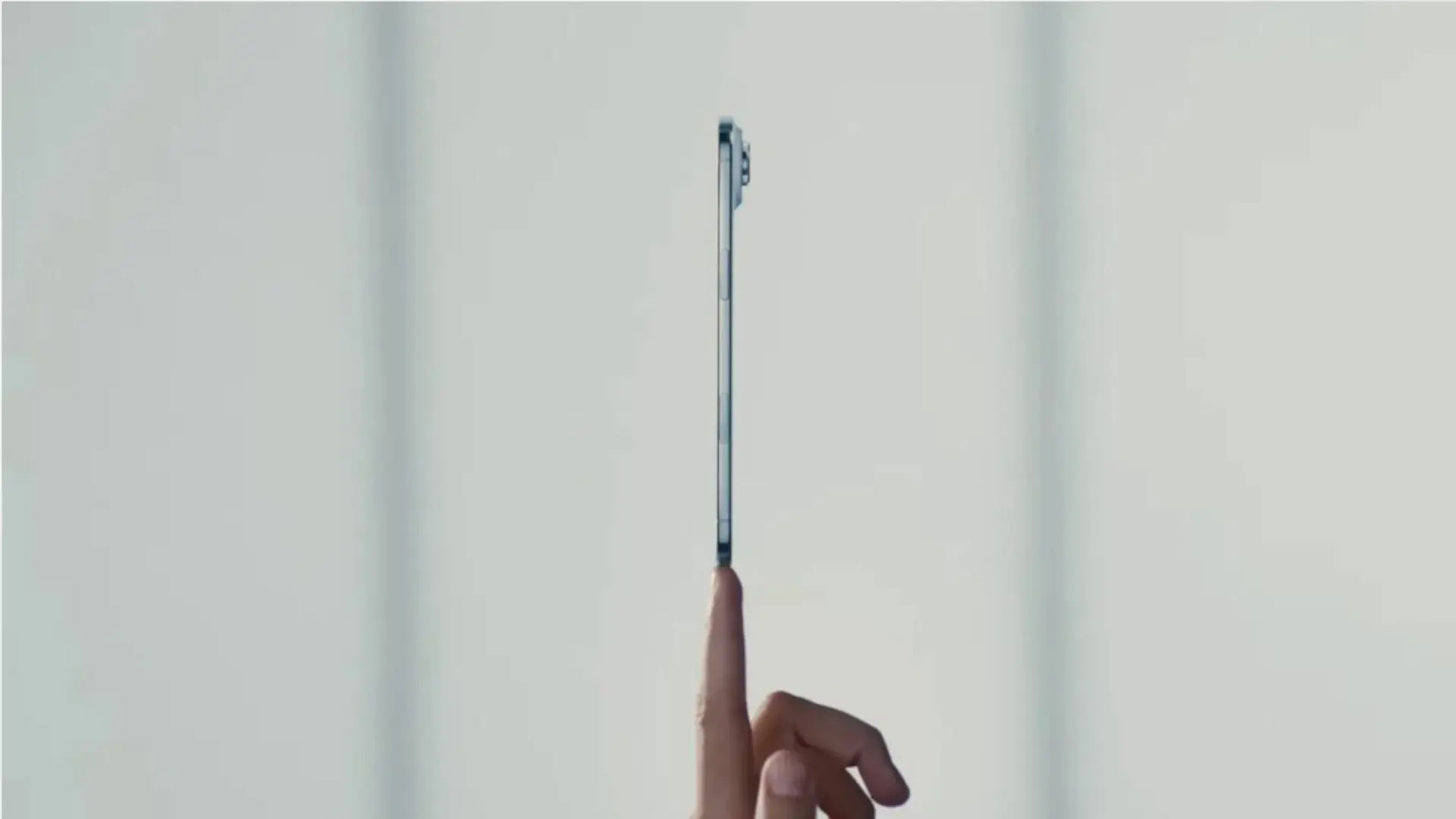
He iPhone Air It is the first major redesign of the iPhone since the iPhone X. Release a solo body 5.6mm thickpremium materials and a very clear focus on design. However, to get there Apple has had to make concessions in other aspects: smaller battery, only one rear camera and a price that starts from 999 dollars (about 860 euros at the current exchange rate)just 100 dollars below the iPhone 17 Pro.
Several supply chain reports suggest that Apple has drastically reduced orders for the model, to the point of dismantling production lines and delaying the next generation of the model. iPhone Airwhich is now expected later and with important changes in battery and cameras. That is to say, even in Cupertino they seem to have understood that something is not quite right here.
Xiaomi, Vivo, Oppo and company freeze their “Air” projects for Android
According to Asian sources, brands like Xiaomi, Vivo or Oppo have frozen or canceled their own ultra-thin mobile projectssome of them conceived as direct rivals of the iPhone Air. The idea was to use eSIM to save internal space and reduce thickness even further, but that electronic component would now be redirected to other more conventional products.
In the case of Xiaomi, there was talk of a “true Air model” designed to compete directly with the iPhone, while Vivo would have opted for a very slim design within its mid-range S. If these plans remain in the drawer, it is not so much due to a lack of technical capacity as due to the doubt as to whether there really is a market willing to pay the premium for these experiments.
The Galaxy S25 Edge: another warning that thickness is not everything
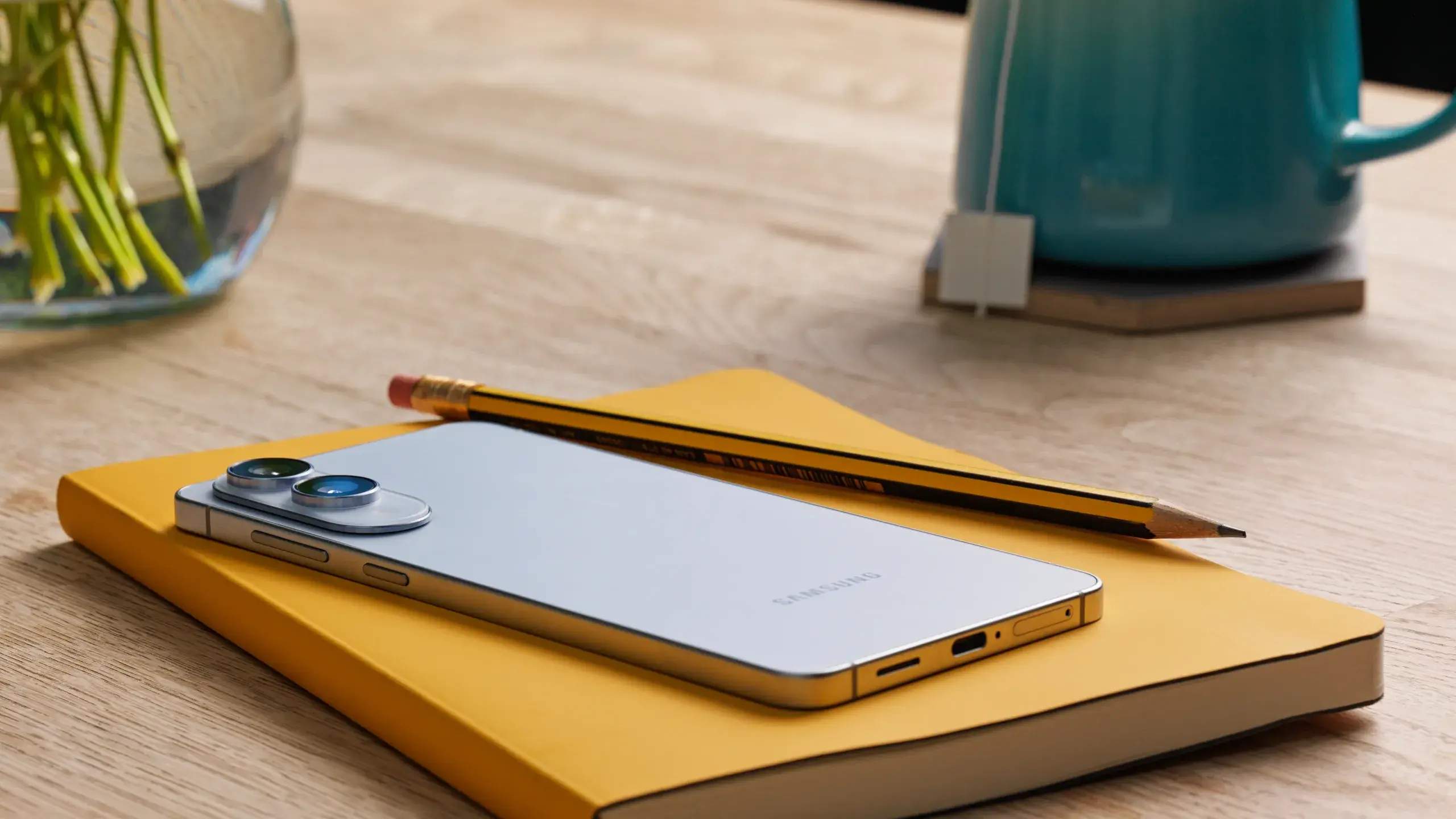
On Android, the other great exponent of this trend was the Samsung Galaxy S25 Edgean ultra-thin high-end model designed to coexist with the “normal” Galaxy S25. Also here sales would be below expectations and rumors point to the cancellation of the future Samsung Galaxy S26 Edgeagain for the same reason: too many sacrifices in autonomy and other features to justify the price of a top of the range.
In the end, the feeling is that the industry has collided with the physical limits of traditional mobile phones: if you continue to lose weight, you sacrifice battery, sound, cameras or thermal dissipation. And users, who are increasingly making the most of their mobile to play games, use generative AI or record 4K video, are not willing to give up all that just to gain 1.5 mm less in your pocket.
What does all this mean for the next Android phones?
For the Android user, this slowdown may even be good news. Everything indicates that large manufacturers are going to focus efforts on improve autonomy, cameras and AI instead of chasing records of thinness that no one values in day-to-day use. It is more boring in the technical sheet, yes, but surely more useful.
That doesn't mean we won't see slim phones, but the concept probably makes more sense in folding mobileswhere the device is thin when deployed greatly improves ergonomics without penalizing the battery so much. Meanwhile, the message left by the stumble of iPhone Air and of Galaxy S25 Edge It is clear: rather than an ultra-thin mobile, most prefer one that guarantees sufficient autonomy for the entire day.
And you, Would you pay extra for an ultra-thin mobile even if it means a worse battery and fewer cameras, or would you prefer a somewhat thicker but more complete design?