



Over the past twenty years, romantic encounters have a lot evolved. In 2024, meeting your soul mate on the Internet, whether on social networks, Leboncoin or on a dedicated application, is no longer rare. Better yet, using a dating app to find your other half is no longer a shame.
After having multiplied their popularity thanks to the health crisis of 2020, dating applications are now in an impasse. Lonely hearts are tired of swiping. Tinder, Bumble, Hinge… There are fewer and fewer users of dating applications. And those who are willing to pay to find love are even less willing. Is this the end of dating apps?
Need for renewal, or death
If each dating application has its own little particularity, which they each like to highlight, it’s always the same thing. Singles find themselves faced with a rich catalog of profiles and you have to shop around to hope to find the right fit. With a few rare exceptions, the pattern repeats itself tirelessly. And today, lonely hearts are fed up. They are tired and tired. Do we still have the right to dream of the rare gem on dating apps or is that too much to ask?
While Tinder revolutionized the dating market with the famous swipe, making the experience almost fun, the application is now neglected. If Bumble, letting women go first, or Hinge, “created to be deleted,” met the needs of some users, dating app fatigue is still very much there.
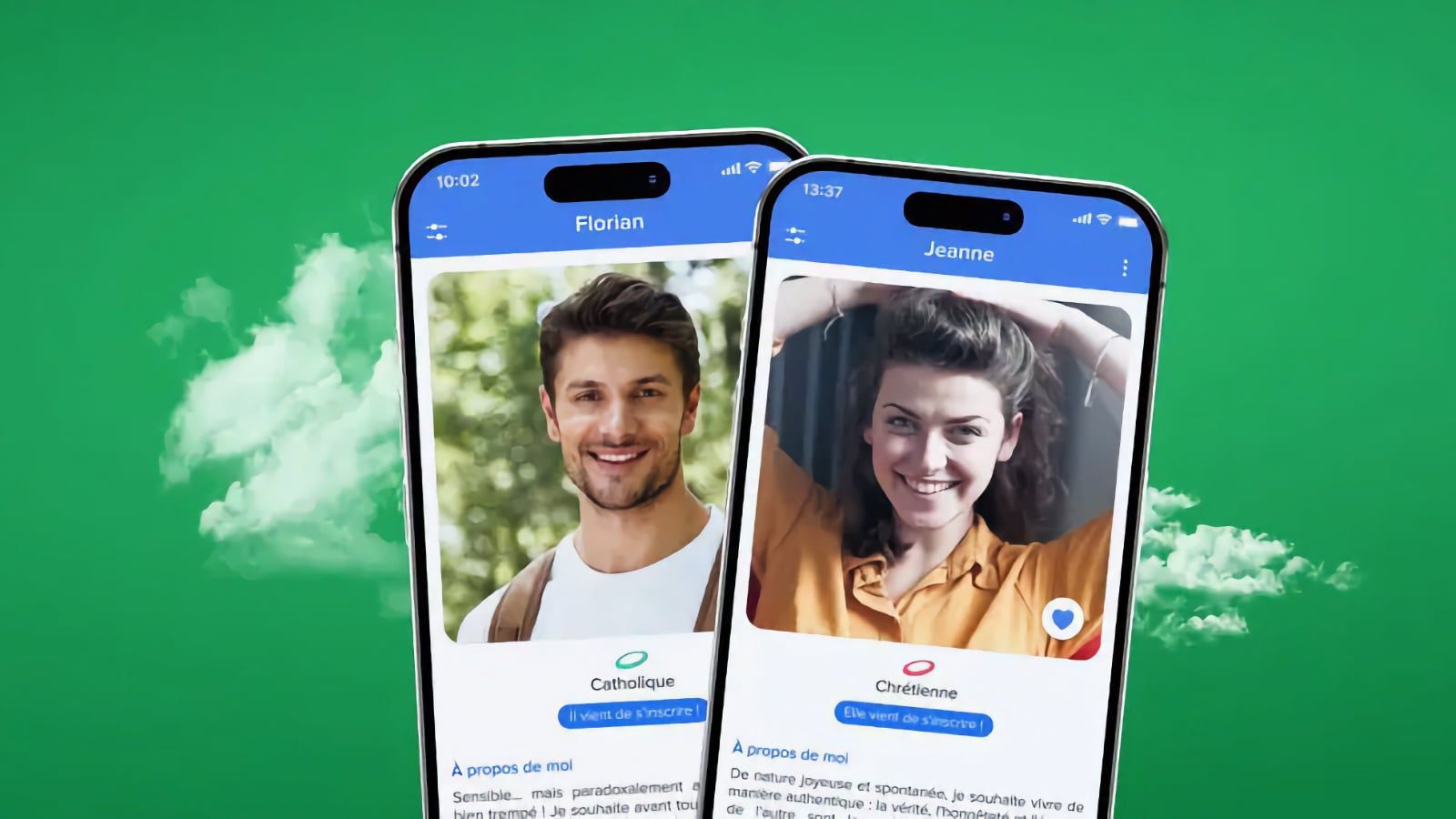
Faced with these dating giants, new applications have appeared on the market. They understood the discouragement and even frustration of single people, as well as their new expectations. Indeed, the new generation does not expect the same things from a dating app as their elders.
Thus, the Pique Dating application abandons swiping and offers its users a daily selection of hand-picked suitors. For its part, Sitch relies on artificial intelligence to find the perfect “match”.
Several new dating apps are based on the notion of “matchmaking”, or establishing a relationship. Some choose to go through loved ones, others through AI, but the idea is the same: that someone (or something) else puts you in touch.
At the same time, singles want to meet more authentic and real people, and rediscover the magic of meeting people in real life. In this sense, dating apps like Bumble, Tinder or Meetic are multiplying operations to allow meetings that stand out from the crowd.
The observation is clear: if the dating giants do not make a real shift in the coming months, they risk continuing to lose ground and end up being overtaken by the competition. Over the past few months, applications for making friends (and why not more if the trend goes ahead) have seen their popularity grow. What if this was the future of dating?
Also read – I tried the dating app Hinge, and I found love as promised