



For years, changing sides in the smartphone war has been a mission for the brave. If you've ever tried to move your chats, photos, and apps from an Android to an iPhone (or vice versa), you'll know that the process, although it has improved, still has problems. frustrating frictions. Data is often lost along the way, or you are forced to use third-party applications that do not work as promised.
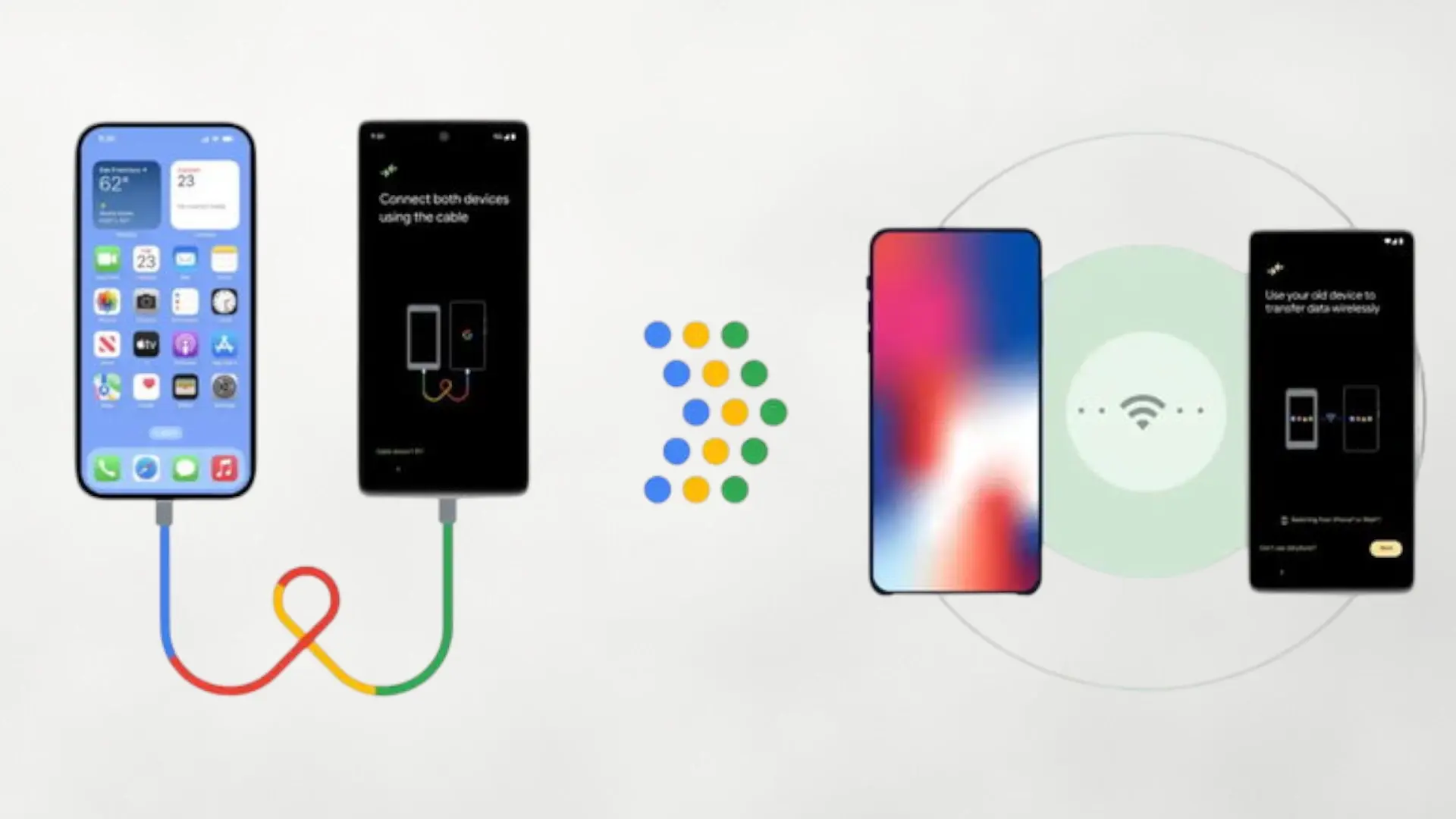
However, it seems that the two technological giants have decided to bury the hatchet for the benefit of users. In a surprising move, Google and Apple have collaborated directly to integrate a native and fluid solution that allows data transfer between both ecosystems. We are no longer talking about patches or external apps, but rather about a functionality that will be integrated into the device's initial configuration process itself.
An unprecedented technical collaboration on Android and iOS
The news has broken thanks to the latest version of Android Canary (build 2512 to be exact), which already shows the fruits of this joint work. As has been learned, this new tool will allow the transfer of a greater variety of data types than current solutions, ensuring that nothing important is left behind when you decide to get a new mobile.
The most interesting thing is that this function is not unilateral. Although it has already appeared in test versions for the Google Pixel, Apple is expected to implement its part of the code in a future beta of iOS (probably in the next iOS 19 updates, although some sources cite versioning errors). The objective is clear: that the user feels that the exit—and entry—door is always open, eliminating the technical fear of migration.
The end of barriers or a commercial strategy?
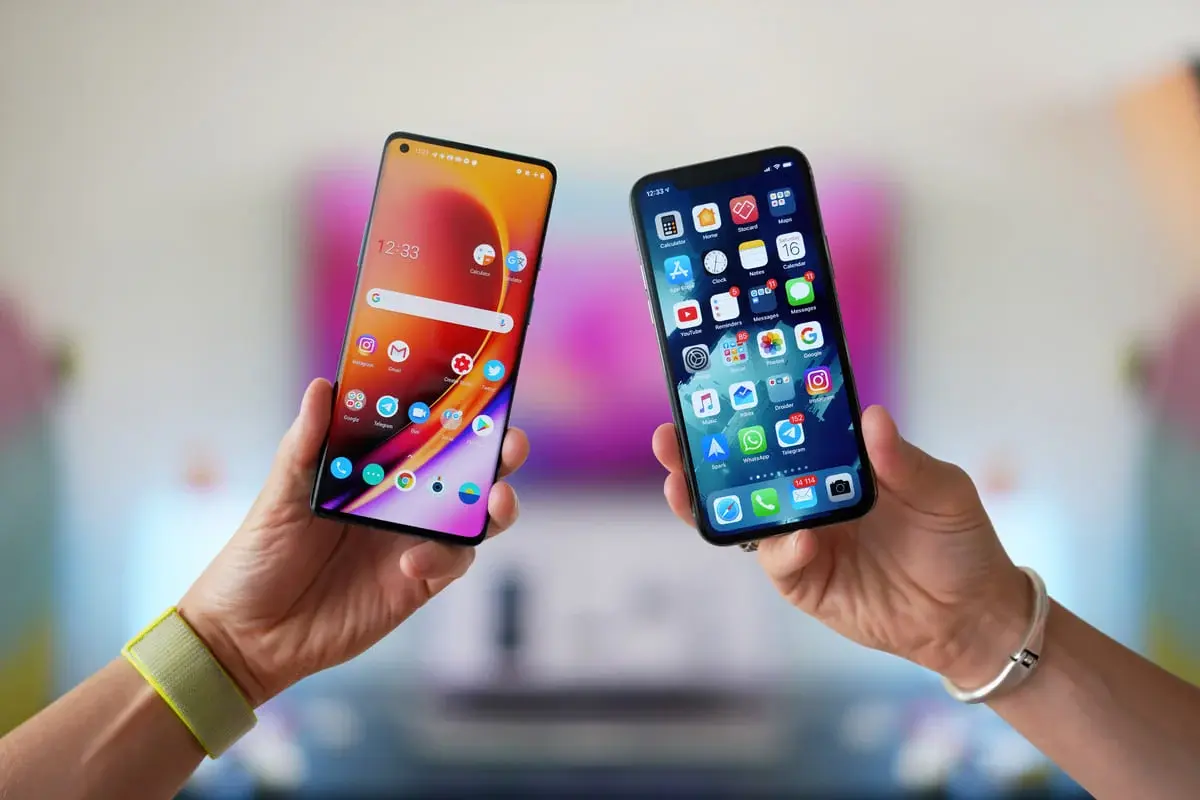
Currently, tools like “Switch to iOS” or Google's “Android Switch” do the dirty work, but this deep integration promises to be much more transparent and fast. Being embedded in the system, it is likely to make better use of the hardware to speed up the transfer and reduce connection errors that sometimes occur with current apps.
Of course, don't rush to try it with your main mobile phone just yet. Like any phase function Canary or Betais intended for developers and may contain errors. For now, it is a first firm step towards 2026 where the interoperability stop being a utopia. That two historical rivals sit down to facilitate the transit of their clients says a lot about how the market is maturing: competition is no longer based on locking up the user, but on convincing them to stay.
Do you think that making the change so easy will make more Android users switch to iPhone, or will it be the other way around?